


Pickup Fender Buying guide
Pickup Fender: A Complete Buyer's Guide
Upgrading to new Fender pickups? This buying guide covers magnet types, output levels, price tiers, and what to check before you purchase.
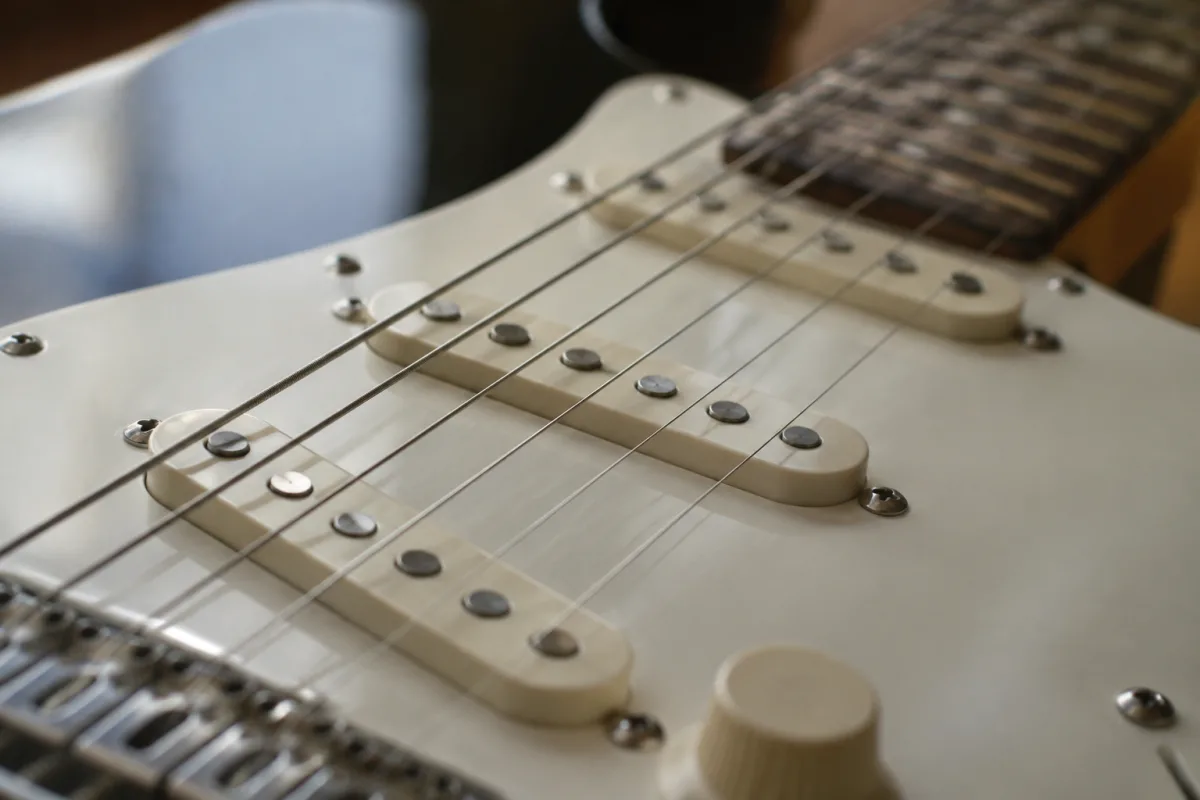
Upgrading your Fender guitar with new pickups is one of the most impactful modifications you can make. The right pickups transform your tone—adding clarity, warmth, punch, or sparkle depending on what you choose. But walk into a shop or browse online, and you'll face hundreds of options. Ceramic or alnico? Single-coil or humbucker? Vintage or hot output? This guide cuts through the confusion, showing you exactly what to look for when buying Fender pickups, regardless of your experience level.
Understanding Your Current Guitar
Before upgrading, know what you're starting with. Fender makes several guitar types, each with different pickup configurations:
- Stratocasters: Three single-coil pickups (neck, middle, bridge)
- Telecasters: Two single-coil pickups (neck and bridge)
- Jaguars and Jazzmasters: Two wider, offset single-coils
- Mustangs and Duos: Variations of single-coil configurations
The first rule of buying pickup replacements: make sure your new pickups fit your guitar's configuration. A Stratocaster pickup won't fit a Telecaster cavity. This seems obvious, but many buyers make this mistake online. Measure your guitar's pickup cavities and confirm the new pickups are compatible.
Magnet Types: The Foundation of Tone
Every Fender pickup uses one of two magnet types, and this choice dramatically affects tone.
Alnico magnets: The classic choice in vintage Fenders. Alnico produces warm, transparent tone with natural compression and excellent dynamics. Your playing dynamics (pick attack, finger pressure) significantly influence the sound. Alnico pickups suit blues, classic rock, and jazz. They're slightly more expensive than ceramic but worth it for tone quality.
Ceramic magnets: Found in budget and mid-range Fenders. Ceramic produces sharper, more aggressive tone with higher output and less sensitivity to playing dynamics. They work well for rock, funk, and metal. They're less responsive to subtle nuances but generally more affordable.
For most players, alnico offers superior tone, but ceramic is perfectly acceptable if your budget is tight or you play aggressive music. Don't assume ceramic is inferior—it's just different.
Output Levels and What They Mean
Pickup output is measured in millivolts (mV). This number tells you how "hot" the pickup is—how much signal it sends to your amplifier.
Vintage output (3.5–4.5 mV): Matches classic Fender guitars from the 1950s–1960s. Produces articulate, dynamic tone with subtle character. Requires more amplifier gain to achieve overdrive. Ideal for clean tones and blues.
Medium output (5.0–6.5 mV): The sweet spot for most players. Enough gain to drive an amplifier into natural overdrive without being overly aggressive. Suits rock, funk, and country equally well.
Hot output (7.0+ mV): Designed to push amplifiers into high-gain territory. Suits metal, hard rock, and heavy music. Often paired with ceramic magnets for aggressive tone. Reduces playing dynamics somewhat.
Beginners should start with vintage or medium output. You'll develop skills and refine your preferences before needing hot pickups.
Pickup Specifications to Check
When evaluating a specific Fender pickup model, look for these details:
Pole piece material. Pickups use magnets and pole pieces (metal rods) to capture string vibration. Forged pole pieces (found in premium pickups) offer better tone definition than stamped alternatives. This is a subtle difference but matters over time.
Winding wire type. Vintage-style plain enamel wire produces clearer tone; modern polysol-insulated wire is slightly more durable. This is a minor consideration but shows manufacturing attention.
Series or parallel wiring. Most Fenders use series wiring (default). Parallel wiring options exist but are niche. Don't overcomplicate—series is standard.
Impedance balance. If replacing multiple pickups (like all three Strat pickups), matching impedance ensures consistent tone across all three. Quality manufacturers list impedance; check before buying.
Popular Fender Pickup Models by Price Tier
Budget tier (£20–£50 per pickup): Ceramic single-coils with moderate output. Decent playability but lacking tone character. Suitable for spare guitars or learning instruments.
Mid-range tier (£50–£150 per pickup): Fender's Custom Shop line and quality aftermarket brands. Alnico magnets, balanced output, versatile tone. This tier offers excellent value and suits most players.
Premium tier (£150–£300+ per pickup): Hand-wound vintage reproductions and boutique models. Maximum tone character, meticulous attention to detail. Only necessary for professionals or tone enthusiasts with established preferences.
Matching Pickups Across Your Guitar
A common mistake is buying pickups piecemeal over time. For coherent tone across your Stratocaster or Telecaster, replace all pickups simultaneously or at least match them in output and character. A vintage neck pickup paired with a hot bridge pickup creates tonal imbalance that's hard to compensate for with amplifier settings.
Installation: DIY or Professional?
Pickup replacement involves soldering, which requires skill and the right tools. If you're experienced with soldering, DIY is straightforward (5–10 minutes per pickup). If you've never soldered before, hire a technician. Poor soldering creates noise, weak signal, and potential damage. Professional installation costs £20–£50 per pickup and guarantees quality.
Buying Pitfalls to Avoid
Buying pickups for the wrong guitar. A Strat pickup won't fit a Jazzmaster. Measure before purchasing. Online retailers don't always make compatibility obvious.
Assuming more expensive equals better sound. A £150 pickup isn't objectively better than a £80 model—it's different. Your musical taste, amplifier, and guitar body determine whether it's the right choice for you.
Ignoring impedance matching. Mixing high-impedance and low-impedance pickups creates tonal imbalance. Buy a matched set or confirm impedance when buying separately.
Neglecting installation quality. Cheap pickups installed perfectly sound better than expensive pickups with poor soldering. Factor installation into your budget.
Overlooking trial periods or return policies. Tone is subjective. Buy from retailers offering 30-day returns. If pickups don't inspire you after two weeks, return them guilt-free.
Making Your Decision
Follow this checklist when buying Fender pickups:
- Confirm your guitar model and pickup configuration
- Decide on magnet type (alnico for warmth, ceramic for aggression)
- Choose output level matching your musical style
- Set a budget and explore options in that tier
- Read reviews from players with similar guitars and styles
- Buy from retailers offering return policies
- Install professionally if you lack soldering experience
Next Steps in Your Fender Exploration
This guide focuses on the buying decision. For comprehensive information about pickup history, modification techniques, and advanced customization, see the complete guide to Fender pickups.
Your Tone Awaits
Upgrading Fender pickups is an exciting journey toward discovering your unique voice as a player. Take time with this decision, understand your preferences, and invest in quality. The right pickup transforms your guitar from good to inspiring—and inspired players improve faster. Choose thoughtfully, and you'll enjoy the result for years to come.


Comments