


Fender Pro Reverb Buying guide
Fender Pro Reverb: A Complete Buyer's Guide
Master the buying process for a Fender Pro Reverb. Know what separates a sound investment from an overpriced purchase with this expert buying guide.
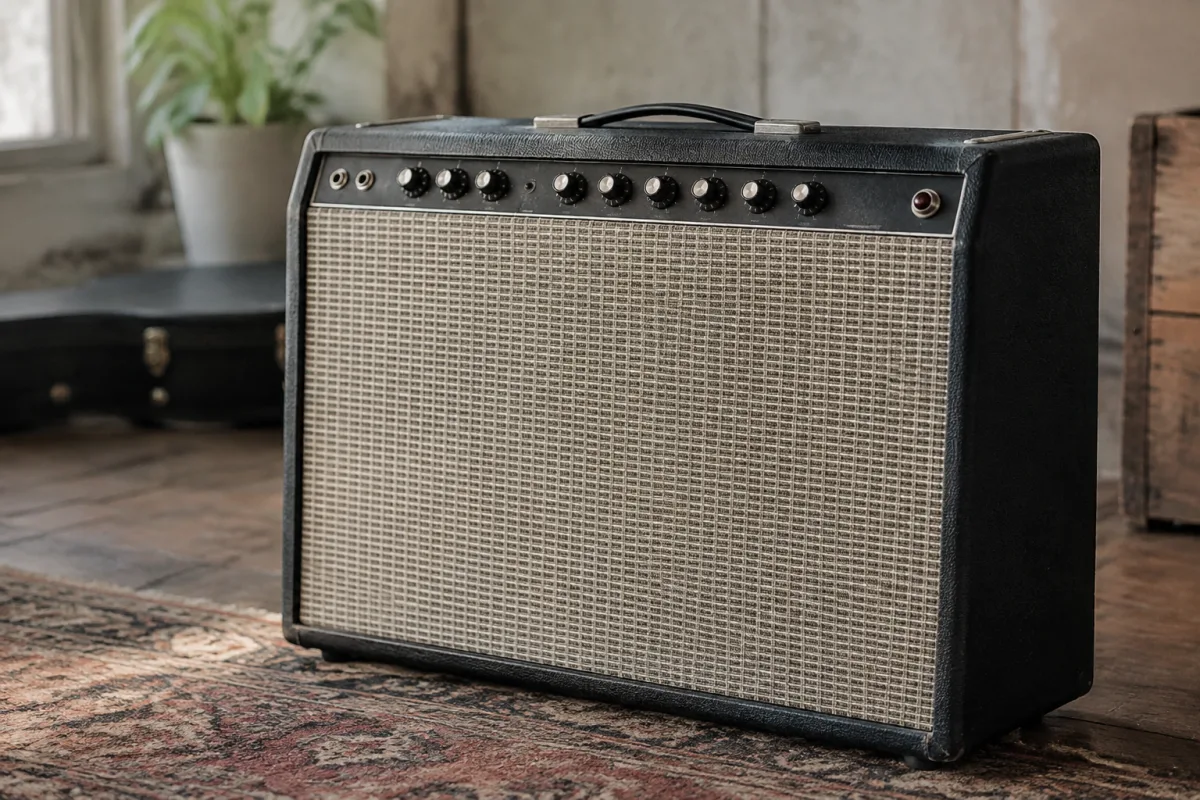
Choosing a Fender Pro Reverb amplifier requires understanding what separates a sound investment from an impulse purchase. Whether you're a working musician, a serious hobbyist, or someone building a studio setup, selecting the right Pro Reverb means evaluating its tonal capabilities, reliability, valve condition, cosmetic state, and price relative to market conditions. This guide focuses on the practical buying decisions that matter most, helping you identify a quality unit and avoid common purchasing pitfalls.
Understanding Fender Pro Reverb Variations and Eras
Fender Pro Reverb amplifiers span several decades of production, each era bringing different specifications and tonal characteristics. The classic 1960s to early 1970s models—particularly the silverface and blackface variants—are highly sought by collectors and professionals. Later reissue models and modern versions exist, each with distinct value propositions.
Before shopping, clarify which era appeals to you. Original vintage units command premium prices but offer irreplaceable tone and collector value. Fender's various reissue editions (often branded as "Pro Reverb Reissue") provide similar character at lower price points. Recent production models balance affordability with modern reliability. Your choice depends on budget, use case, and whether you prioritise vintage character or contemporary convenience.
Evaluating Tube Condition and Testing Requirements
Valve condition represents the single most expensive potential maintenance issue with a Fender Pro Reverb. A fully functional unit with original tubes is significantly more valuable than one requiring tube replacement costing £300-500. When evaluating any Pro Reverb, insist on hearing it powered up and played through. Listen for clean output, any crackling or pops during playing, unusual humming, or distortion that suggests tube degradation.
Ask the seller directly about tube status. Original tubes, especially in vintage models, add significant value. Pre-tested tubes recently installed are acceptable. If tubes are unknown or questionable, factor their replacement cost into your offer price. A quality vintage tube set can easily cost more than £400, dramatically affecting your true purchase price.
Request access to tube information. Ideally, documentation shows when tubes were last replaced. If available, a tube strength test report from a qualified technician demonstrates exactly which tubes are near end-of-life. This information lets you negotiate realistically.
Examining Cosmetic Condition and Tolex Wear
A Fender Pro Reverb's physical appearance affects both its street value and your enjoyment when performing. Evaluate tolex covering (the fabric-like exterior), corner wear, grille cloth condition, and panel cosmetics. Natural wear on a vintage unit doesn't necessarily reduce value—indeed, minimal wear can indicate light use, which is desirable. However, extensive tolex deterioration or significant damage suggests the amp may have been stored poorly or subjected to harsh conditions.
Check for:
- Tolex seam integrity: Separating seams or bubbling tolex indicate potential water exposure or poor storage. This can mask internal component issues.
- Corner damage: Severe corner wear (down to bare wood) is common but cosmetically obvious. Budget for recovery if appearance matters for performances.
- Grille cloth condition: Torn or heavily worn grille cloth is minor if the internals are sound, but replacement grille cloth costs £50-100 depending on authenticity.
- Handle integrity: Original handles should be inspected carefully. Replacement handles are available but affect authenticity and value.
Don't overlook the rear panel. Heavily damaged rear panels or hidden damage suggest the amplifier may have been transported carelessly or experienced impacts.
Power Output and Wattage Considerations
Classic Fender Pro Reverb models typically produce 40-100 watts depending on configuration and era. Wattage alone doesn't determine suitability for your needs. A 40-watt valve amplifier producing overdriven tones rivals a 100-watt unit at cleaner volumes due to valve breakup characteristics.
Consider your intended applications. Studio recording benefits from lower wattage (40 watts) for easier breakup and lower volume flexibility. Live performance venues vary dramatically—a 40-watt Pro Reverb suffices for small clubs but struggles with large stages. Ensure the wattage aligns with your realistic gigging needs. Don't pay premium prices for extra wattage you'll never use.
Transformer Quality and Internal Component Assessment
Power transformers and output transformers represent substantial replacement costs (£300-600 combined). Before purchasing, ask whether transformers are original or have been replaced. Transformers rarely fail suddenly but do deteriorate over decades. A humming sound or overheating during operation suggests transformer issues.
If possible, inspect solder joints on major components. Cold solder joints (appearing dull rather than shiny) indicate repair work, which may signal ongoing reliability issues. Ask about any previous service history. Well-documented repair records demonstrate professional maintenance. Undocumented repairs raise questions about workmanship quality.
Pricing Expectations Across Conditions and Eras
Fender Pro Reverb prices vary dramatically based on condition, originality, and market demand. Understanding current market rates prevents overpaying:
- Vintage models (1960s-1970s) in excellent condition with original tubes: £2,500-£4,500. Rare variants command more.
- Vintage models in good condition with period-appropriate replaced tubes: £1,800-£3,000. Cosmetic wear reduces value within this range.
- Vintage models requiring significant restoration: £800-£1,500. Only pursue if you're comfortable with repair costs or have technical skills.
- Reissue models (newer production): £1,200-£1,800 depending on age and condition.
- Recent production models: £1,500-£2,500 retail, potentially £1,000-£1,800 used.
Market fluctuations occur; check recent sold listings on specialist vintage amplifier sites to verify current pricing in your region.
Common Purchasing Pitfalls
Avoid these frequent mistakes when shopping for a Pro Reverb:
Ignoring hidden damage: Ask directly about repair history and interior component condition. Don't assume an attractive exterior guarantees internal reliability.
Underestimating shipping costs: A Pro Reverb weighs 40+ pounds. Shipping costs can reach £150-300, dramatically affecting your total investment.
Overlooking documentation: Amplifiers with original documentation, receipts, or service records command premium prices for good reason. Documentation proves authenticity and service history.
Purchasing without hearing it: Whenever possible, test the amplifier. If buying online, insist on a detailed video demonstration showing all input combinations, volume levels, and reverb settings.
Confusing variants: Ensure you're buying the specific model you want. "Fender Pro Reverb" encompasses multiple configurations across different decades. Verify specifications match your needs.
Where to Buy and Protecting Your Investment
Purchase from reputable sources: specialist vintage amplifier dealers, established music retailers, or directly from knowledgeable private sellers with verifiable history. Avoid unknown marketplace sellers without substantial feedback or history.
Whenever possible, establish purchase agreements clarifying condition, functionality, return windows, and dispute resolution. For higher-value amplifiers (over £2,000), consider hiring an independent amplifier technician to inspect before finalising purchase, especially for vintage units.
For comprehensive information on Pro Reverb specifications, design variations, and technical details, consult the complete guide to Fender Pro Reverb, which explores the full scope of this legendary amplifier's capabilities.
Making a thoughtful purchasing decision transforms your amplifier investment into a reliable instrument or collection piece. By evaluating tube condition, cosmetic state, transformers, and market pricing, you'll identify a Pro Reverb that delivers both satisfaction and value for your specific needs.



Comments