


Fender Plectrum article
Fender Plectrum for Beginners: A Complete Guide
A Fender Plectrum is a four-string acoustic instrument that's perfect for beginners. This guide shows why it's an approachable first instrument and walks you through your first week of playing.
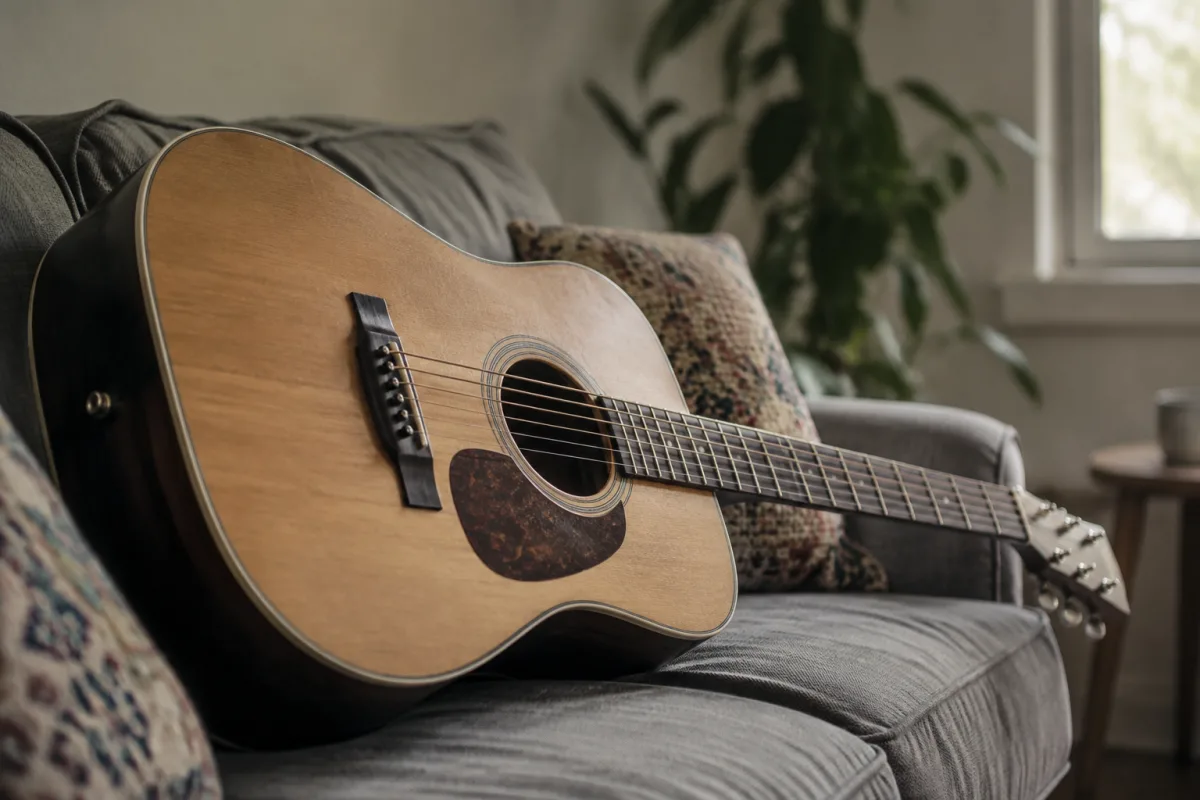
If you’ve just discovered Fender Plectrum guitars and aren’t quite sure what they are, you’re in good company. These charming four-string instruments are a bit of a mystery to many modern players, but they’re genuinely approachable and wonderfully rewarding. This beginner’s guide will help you understand what a Fender Plectrum is, why beginners find them so musical, and whether one might be the right first instrument for you.
What Is a Fender Plectrum, Really?
A Fender Plectrum is a four-string acoustic instrument, smaller than a full guitar but larger than a ukulele. Historically, it was designed for classical plectrum technique (playing with a pick), hence the name. The four strings are typically tuned to D–A–D–A (high to low), and the instrument sits somewhere between a guitar’s versatility and a ukulele’s simplicity.
Think of it as an approachable entry point into acoustic music. It’s small enough that young players and people with smaller hands can manage it comfortably, yet it sounds warm and full. The Fender name carries the prestige of a genuine musical instrument brand, which means these aren’t cheap toys — they’re real, playable instruments that reward patient learning.
Why a Plectrum Is Perfect for Beginners
Starting with a Fender Plectrum has several genuine advantages. First, it’s physically smaller and lighter than a standard guitar, so it never feels like an overwhelming burden on your neck or shoulders. Second, with only four strings instead of six, you have less to learn initially. You can start playing simple melodies and chord progressions within a week or two, which keeps motivation high. Third, the smaller size means the financial commitment is lower than buying a full guitar, so there’s less pressure to “be good enough” to justify the expense.
Most importantly, a Fender Plectrum sounds genuine and musical. It won’t sound thin or toy-like, which means you’re not fighting the instrument whilst you learn. Good tone is motivating, and this guitar delivers that from day one.
Your First Week: How to Get Started
If you’ve just acquired a Fender Plectrum, here’s a practical pathway for your first week:
- Tune it properly. Use a digital tuner (they cost under £10). A properly tuned Plectrum sounds vastly better than one that’s out of tune. Tune to D–A–D–A (high to low).
- Hold it comfortably. Sit down, rest the body on your left leg (if you’re a right-handed player), and let your right arm drape naturally over the body. Comfort is essential.
- Learn one simple chord. An A major or D major chord involves just two or three fingers. Practise switching between them until it feels natural.
- Play for 15 minutes daily. Consistency matters more than marathon sessions. Fifteen minutes every day builds calluses, hand memory and genuine progress far better than three-hour weekends.
- Listen to music played on a Plectrum. There’s a living tradition of folk and classical plectrum music. Hearing the sound you’re working toward inspires patience and dedication.
That’s genuinely all you need to begin. Don’t overwhelm yourself with theory or perfect technique. Focus on enjoying the process and the beautiful sound this instrument produces.
Avoiding Common Beginner Pitfalls
Beginners with a Fender Plectrum often stumble over the same challenges. Don’t be discouraged by sore fingers in your first week — that’s normal and temporary. Calluses develop quickly with consistent practice. Don’t pressure yourself to sound polished immediately. Messy, enthusiastic playing beats perfect silence every time. And don’t buy fancy accessories before you’ve fallen in love with playing. A simple pick and a tuner are all you need.
Avoid comparing your progress to guitarists. A Plectrum is its own thing, with its own tradition and expectations. Progress on a Plectrum isn’t slower — it’s just different. And don’t neglect regular tuning. A chronically out-of-tune Plectrum trains your ear badly and makes playing frustrating. Keep that tuner handy and use it before every session.
Building Confidence in Your First Month
By week two, you should comfortably play two or three chords and switch between them without thinking. By week three, you can accompany simple melodies or folk songs. By the end of month one, you’ve genuinely internalized how this instrument responds to your hands, and that’s when the real joy begins.
At this point, you might naturally progress to learning fingerstyle technique (plucking individual strings rather than strumming), or you might dive into repertoire — folk songs, classical pieces adapted for the instrument, or original melodies you create yourself. The beauty of a Fender Plectrum is that it rewards all these paths equally.
Choosing the Right Model for Your First Plectrum
Fender offers a few Plectrum models, and for beginners, any new Fender Plectrum will work beautifully. The differences between models are subtle — mostly in finish and hardware. Focus on finding one in your budget, then learn it thoroughly before worrying about upgrading. A £200 Fender Plectrum in good condition will teach you everything you need to know before you might consider a more expensive version later.
If buying used, simply verify that it’s genuine (Fender branding should be clear), that the neck is straight, and that all tuning pegs work smoothly. A secondhand Plectrum that’s been well maintained will serve you brilliantly.
Where to Find Community and Encouragement
Plectrum players exist in small but passionate communities. Online forums and social media groups focused on mandolin, ukulele and acoustic folk instruments often include Plectrum players who are generous with advice and encouragement. Listen to recordings by classic Plectrum players like George Formby (who famously played a four-string instrument) and modern folk musicians who still cherish the tradition. Knowing that others have travelled this path, often with great joy, keeps motivation alive.
Your Next Steps
Once you’ve spent a month with your Fender Plectrum and fallen in love with its sound, consider finding a teacher or tutor who specialises in acoustic or folk instruments. Even five or ten lessons can dramatically accelerate your progress and help you avoid developing bad habits. For a deeper exploration of Fender Plectrum guitars and the rich history behind them, explore the complete guide to Fender Plectrum guitars, which covers heritage, technique and the full range of playing styles this beautiful instrument supports.
Most importantly, be patient with yourself. You’re not learning to be a virtuoso — you’re learning to make music that brings you joy. A Fender Plectrum is perfectly designed for exactly that.
FAQ
How is a Fender Plectrum different from a ukulele?
A Plectrum is larger and has a fuller, warmer sound than a ukulele. It traditionally has four strings and is tuned D–A–D–A, whereas ukuleles vary in size and tuning. A Plectrum feels more like a guitar than a ukulele.
Can I play a Fender Plectrum with my fingers instead of a pick?
Yes. Whilst it’s traditionally played with a plectrum (pick), fingerstyle playing is absolutely valid and beautiful. Many modern Plectrum players use fingerstyle exclusively.
How long will it take me to play a simple song?
With consistent 15-minute daily practice, most beginners can play a simple folk song within 2–3 weeks. Full comfort and fluidity takes months, but measurable progress happens quickly.
Are there online lessons for Fender Plectrum?
Fewer than for guitar or ukulele, but yes. YouTube has plectrum tutorials, and many ukulele and mandolin teachers also teach Plectrum basics. Your best bet is finding a local acoustic or folk musician who can give you a few lessons.
Do I need special strings for a Fender Plectrum?
Four-string acoustic strings work beautifully. Some players prefer mandolin or tenor ukulele strings for different tone colours. Standard four-string acoustic strings are the safest choice for beginners.
Is a Fender Plectrum a good investment?
As an investment in learning and joy, absolutely. As a financial investment, probably not. Fender Plectrums hold their value reasonably well if maintained, but they’re instruments to play, not collectibles to store away.



Comments