


Fender Player Jaguar Buying guide
Fender Player Jaguar: A Complete Buyer's Guide
Considering a Fender Player Jaguar? Our buying guide compares specs, price tiers, and common pitfalls so you make an informed decision.
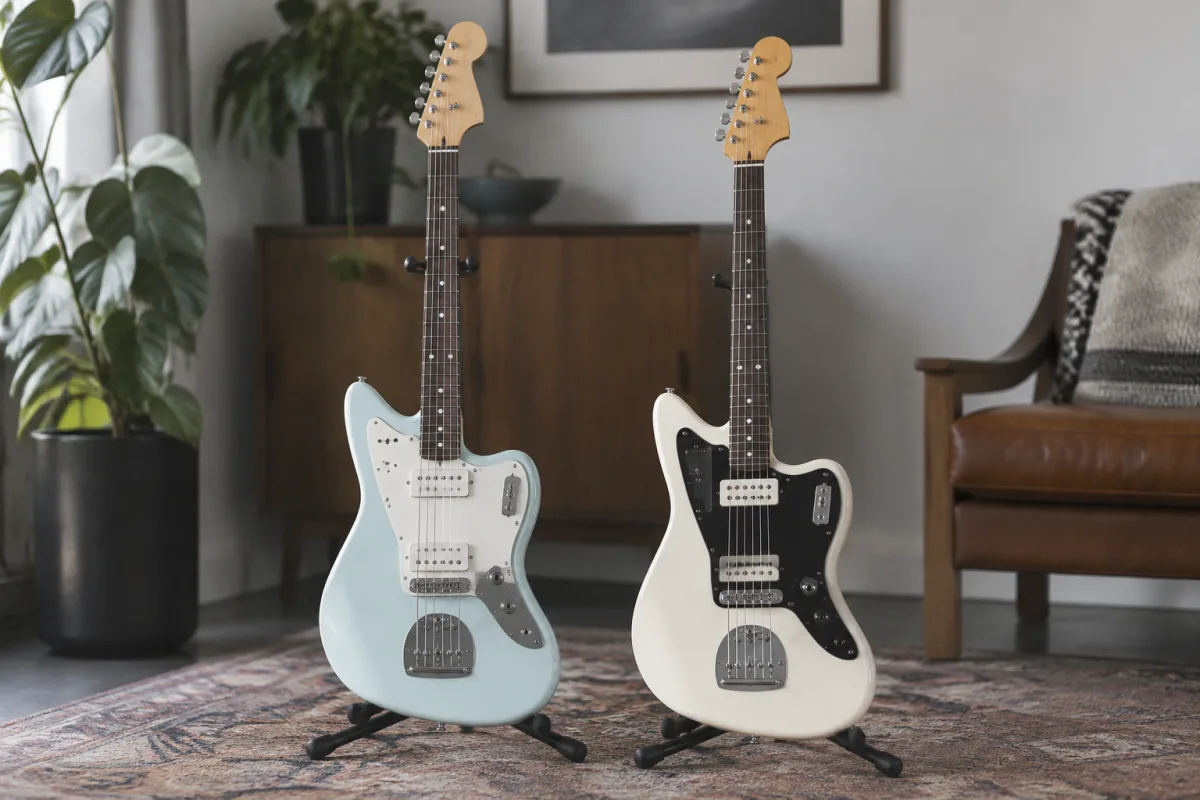
The Fender Player Jaguar sits at an interesting crossroads in the guitar market. It's not Fender's cheapest option, but it's far from their premium tier. The Player line represents genuinely good value—solid construction, recognisable brand prestige, and a distinctive offset body shape that screams vintage cool. But when it comes time to actually buy one, the decisions multiply. What should you check? Are you getting fair value? How does it compare to alternatives at the same price? This buying guide walks you through every decision point without overwhelming jargon or unnecessary complexity.
What You're Getting With a Fender Player Jaguar
The Player Jaguar sits in the mid-range price segment (roughly £500–£700 new). This tier positions it as an affordable entry into the Fender brand and the Jaguar's distinctive aesthetic. Unlike budget guitars, you get genuine components and Fender's manufacturing standards. Unlike premium Fenders, you're not paying for hand-selected woods or master-level setup work. It's straightforward value-for-money positioned squarely for gigging musicians and serious enthusiasts.
Understanding Price Tiers in the Jaguar Lineup
Fender makes multiple Jaguar versions at different prices, and understanding the hierarchy matters:
- Squier Jaguar (£150–£300): Entry-level, Fender's budget brand. Playable but rougher around the edges. Good for absolute beginners; not for developing serious skill.
- Fender Player Jaguar (£500–£700): Mid-range sweet spot. Solid construction, genuine Fender quality, great value. Perfect for intermediate players and first serious purchases.
- Fender Professional Jaguar (£1,200–£1,600): Professional-grade build quality, premium components, superior resale value. Built for touring musicians and demanding studio work.
- Fender American Vintage Jaguar (£2,000+): Historically accurate reissues of vintage models. Collectors' instruments, not for learning players.
- Fender Custom Shop (£4,000+): Bespoke builds with exotic woods and master craftsmanship. Investment pieces for serious collectors.
The Player Jaguar represents the best entry point into proper Jaguar ownership without major financial commitment.
Critical Specs to Check Before Buying
These specifications actually matter when comparing Player Jaguars:
- Body wood: Alder or poplar on Player models. Both are standard for this price tier. Alder is slightly warmer; poplar is slightly brighter. The difference is subtle—don't obsess over this.
- Neck wood: Maple with a rosewood or maple fretboard. This is standard across all Player models. Check that it's not warped by sighting down the neck under light.
- Scale length: Jaguars use a 24-inch scale, which is shorter than Strats or Teles. This feels comfortable for players with smaller hands and produces a slightly tighter tone.
- Pickups: Player Jaguars use Fender Player Series pickups (their own brand, not Seymour Duncan or others). They're solid and characteristic of offset Fender tone.
- Hardware: Standard vintage-style bridge and vibrato arm. The vibrato is famous for tuning instability if you use it aggressively—be aware of this.
- Controls: Simple three-position switch, volume pot, and tone pot. Straightforward and reliable.
- Finish options: Player Jaguars come in several colours (Buttercream, Satin Dakota Red, Tidepool, etc.). Choose based on aesthetics—all finishes are equally durable.
New vs. Used: Making the Financial Decision
Player Jaguars hold value reasonably well. Here's the calculation:
- New from a retailer: Full warranty, guaranteed condition, current colour and finish options available. Costs £500–£700 depending on location and retailer.
- Used, two to three years old: Often 30–40% cheaper (£300–£500). May show cosmetic wear but plays identically. Limited warranty or none.
- Used, vintage models (2010s or earlier): Often cheaper but may need professional setup (£50–£150). Check condition thoroughly before committing.
For your first Jaguar, buying new from an authorised Fender dealer eliminates risk and guarantees warranty coverage.
Common Pitfalls When Buying a Fender Player Jaguar
These mistakes cost money:
Ignoring Jaguar-specific quirks. The Jaguar's vibrato system is notoriously finicky. Aggressive vibrato use can cause tuning drift. If you plan heavy vibrato effects, a Jaguar might not be your best choice.
Confusing Player with Squier. Both cost roughly the same at first glance, but Player is dramatically better quality. Spend the extra £150–£200 for a Player—it's worth it.
Not testing playability before committing. Player Jaguars play well straight from the box, but some units have better fret levels or setup than others. Always play one in person if possible.
Overlooking used market timing. New Player models often get discounted when colours are discontinued. Watch for these sales before buying full price.
Assuming finish colour affects tone. It doesn't. Satin versus gloss finish is cosmetic only. Choose based on look, not tone.
What to Examine When Inspecting a Player Jaguar
Whether buying new or used, check these details:
- Sight down the neck from both ends to confirm it's straight (not twisted or overly bowed).
- Check that all frets are level and polished, not pitted or uneven.
- Plug in and test every control (volume, tone, pickup selector). All should feel smooth with no crackling.
- Test the vibrato—it should return to pitch reasonably well even if tuning holds perfectly isn't guaranteed.
- Inspect for cracks, stress marks, or significant dings in the body or headstock.
- Check tuning machine heads for smooth operation and no rattle.
- Confirm all original components are present (strap pin, bridge, etc.).
Pickup Quality and Tone Considerations
The Fender Player pickups are underrated. They deliver classic offset Fender tone—bright, punchy, and articulate. They work across rock, punk, alternative, indie, and even some pop styles. If you want a warmer tone, upgrading to something like Seymour Duncan Antiquity pickups costs £200–£300. But honestly, the stock pickups are excellent for their price tier—don't feel pressured to upgrade immediately.
Comparing Player Jaguar to Alternatives
At the £500–£700 price point, you could also consider:
- Fender Player Jazzmaster: Similar offset Fender aesthetic but larger body and different pickup configuration. Both are excellent; choose based on which shape appeals more.
- Fender Player Stratocaster: The classic choice, more conventional, more versatile pickup configuration. Less distinctive than a Jaguar but more universally playable.
- Squire Jaguar (upgraded): Much cheaper (£150–£300) but requires professional setup and possibly pickup upgrade. Budget £100–£300 for improvements to rival Player quality.
- Ibanez or Schecter alternatives: Often offer more modern finishes and features at similar prices. Less resale value than Fender but sometimes better value overall.
The Jaguar Body Style: Form vs. Function
The Jaguar's offset body looks stunning and feels distinctive. But it's form following function—the unique shape actually affects playability. The body contours differ from Strats and Teles, which some players love and others find awkward. Always play one in person. If you hate how it feels, no amount of beauty compensates for discomfort during playing.
Connecting to Deeper Knowledge
This buying guide focuses on practical purchasing decisions. For comprehensive background on the Player Jaguar's design, history, variations across production years, and comparisons to other Fender offsets, explore our complete guide to Fender Player Jaguar.
Your Buying Decision Process
Use this checklist before committing money:
- Decide whether offset body style appeals to you (play one in person if possible).
- Confirm the Player tier fits your budget versus Squier or Professional alternatives.
- Check for visible defects, level frets, and smooth operation of all controls.
- Decide whether new (warranty, full selection) or used (better price) makes sense for you.
- Consider your musical style—Jaguars shine in rock, punk, and indie. If you're a blues or metal player, something else might suit better.
- Once you've decided, negotiate on price if buying used, or wait for sales if buying new.
Making Your Final Choice
The Fender Player Jaguar represents solid value in the mid-range guitar market. It's a genuine Fender with distinctive character, not a budget instrument masquerading as something better. If the offset body appeals to you and you're ready to commit to a proper guitar, the Player Jaguar won't disappoint. Test one, make sure it feels right in your hands, and enjoy it.


Comments