
Read next

Fender Necks article
The Complete Guide to Fender Necks
Fender necks set the standard for electric guitars. Discover the profiles, materials, and design choices that make them exceptional.
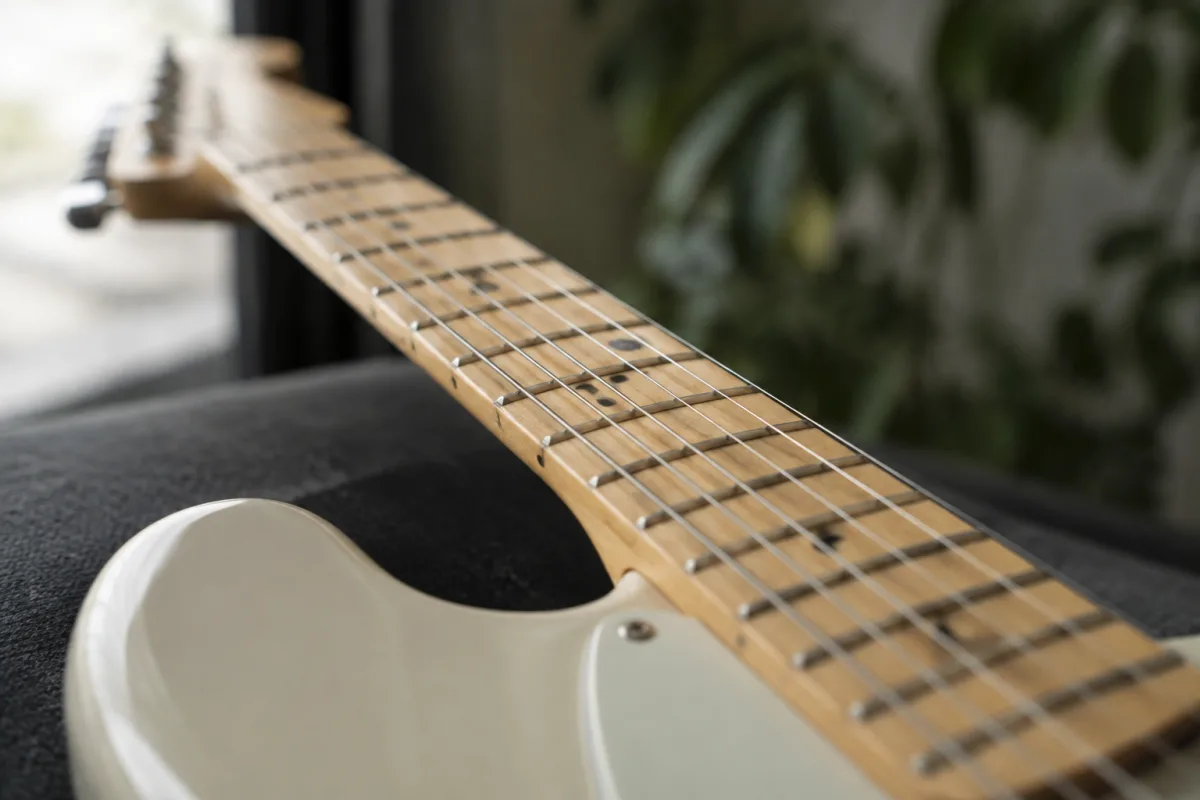
Whether you're building your first guitar or upgrading an existing instrument, understanding Fender necks is essential. The neck is arguably the most critical component of any guitar — it determines how the instrument feels in your hands, affects playability, and significantly influences tone. Fender has spent decades perfecting their neck designs, offering a range of profiles and specifications to suit different playing styles and hand sizes.
What Makes a Fender Neck Special
Fender necks have set the standard for electric and acoustic guitars since the company's founding. The engineering behind a Fender neck combines years of research with practical feedback from professional and amateur musicians alike. Each Fender neck is carefully crafted to balance durability with comfort, ensuring that the instrument remains playable for decades.
The quality of Fender necks comes from their use of premium tonewood — typically maple or ash — and precise manufacturing tolerances. The grain structure, wood moisture content, and construction method all contribute to the final playability and tonal characteristics. A well-made Fender neck contributes to superior sustain, clarity, and resonance.
Fender Neck Profiles Explained
Fender offers several distinct neck profiles, each suited to different preferences and playing techniques. The neck profile refers to the cross-sectional shape when you view the neck from the headstock. Understanding these profiles helps you choose the right Fender neck for your style.
| Profile | Characteristics | Best For |
|---|---|---|
| Modern C | Rounded, slim profile; comfortable for extended play | Contemporary players, all styles |
| Vintage C | Chunkier, more substantial feel; authentic 1950s style | Players seeking vintage aesthetics and tone |
| Compound | Thinner at treble side, thicker at bass side; asymmetrical | Lead players, fast runs, technical work |
| U-Shape | Rounded on both sides; substantial depth; classic feel | Rhythm players, fingerstyle, blues |
The Modern C profile has become the default on many Fender production models because it balances comfort with the classic Fender feel. Vintage C necks appeal to players who favour the substantial feel of 1950s instruments. Each Fender neck profile delivers distinct ergonomic benefits, and your choice should reflect your hand size, playing style, and personal preference.
Materials and Construction
Fender necks are constructed from carefully selected tonewood, most commonly one-piece maple or a combination of maple and other woods. The choice of material directly impacts durability, tonal properties, and maintenance requirements. One-piece Fender necks offer superior stability compared to laminated constructions, reducing the risk of warping over time.
The fretboard is typically made from rosewood, ebony, or maple — each with distinct aesthetic and tonal characteristics. Rosewood fretboards are traditional and warm-looking, whilst ebony offers superior durability and a darker appearance. Maple fretboards, often found on natural-finish Fender necks, provide a bright, modern aesthetic.
Fender necks feature quality frets made from nickel-silver alloy. The fret size affects both playability and tone — jumbo frets on modern Fender necks make bending and vibrato easier, whilst smaller vintage frets require more precision but offer a different tactile experience.
Playability and Comfort
The radius of a Fender neck — the slight curve across the fretboard — significantly affects playability. Vintage Fender necks typically feature a 7.25-inch radius, whilst modern Fender necks often use 9.5-inch or 12-inch radius, or even a compound radius. A tighter radius makes chords easier to play, whilst a flatter radius favours fast lead playing and string bending.
Nut width on Fender necks typically ranges from 1.5 to 1.75 inches. A wider nut provides more spacing between strings, which can improve finger placement and tone on bass strings. Narrower nuts feel more compact and suit players with smaller hands or those who prefer tighter string spacing.
Fender necks designed for contemporary players often feature a slightly flatter back, reducing hand fatigue during extended playing sessions. This thoughtful ergonomic design makes Fender necks particularly comfortable for both seated and standing performance.
Maintenance and Care
To keep your Fender neck in optimal condition, you'll need to maintain proper humidity levels — typically between 45 and 55 per cent. Seasonal changes in humidity can cause wood expansion and contraction, potentially leading to fret sprout or neck bow. A quality hardcase and climate control are worthwhile investments.
Regular conditioning of rosewood or ebony fretboards helps prevent drying and maintains playability. Maple fretboards require less intensive maintenance but benefit from occasional cleaning. Fender necks will develop a beautiful patina over time, and this natural aging actually improves tonal warmth.
Professional setup — adjusting truss rod relief, action height, and intonation — ensures your Fender neck performs at its best. A qualified technician can diagnose and address issues before they become serious problems.
Choosing the Right Fender Neck Replacement or Upgrade
If you're considering replacing or upgrading the Fender neck on your instrument, several factors warrant consideration. First, verify compatibility with your guitar body — bolt-on Fender necks must match your specific model's specifications. Second, consider your playing style and comfort preferences when selecting a profile. Third, think about long-term investment — a quality Fender neck can transform an instrument's playability and will last for decades.
The cost of a replacement Fender neck varies considerably based on wood selection, profile, and hardware specifications. Vintage-style Fender necks with quality materials command higher prices, whilst modern production Fender necks offer excellent value. Many players find that upgrading their Fender neck delivers better results than buying a new guitar entirely.
The Legacy of Fender Neck Design
Fender necks have influenced guitar design worldwide. Leo Fender's original vision combined comfort with playability, creating instruments that professional musicians and beginners alike could enjoy. From the legendary Stratocaster and Telecaster to Jaguar and Jazzmaster models, Fender neck engineering has consistently delivered instruments that inspire creativity and endure for generations.
Whether you're drawn to the vintage warmth of a chunky C-profile neck or the modern comfort of a slim compound radius design, Fender necks offer options for every player. Understanding the characteristics, materials, and maintenance requirements of Fender necks empowers you to make informed choices about your instrument. A quality Fender neck isn't merely a component — it's the bridge between your musical vision and its expression.


Comments