


Fender Junior Pro Buying guide
Fender Junior Pro: A Complete Buyer's Guide
The Fender Junior Pro offers genuine Fender character at intermediate pricing. Our buying guide covers what makes it special, key specs, and buying considerations.
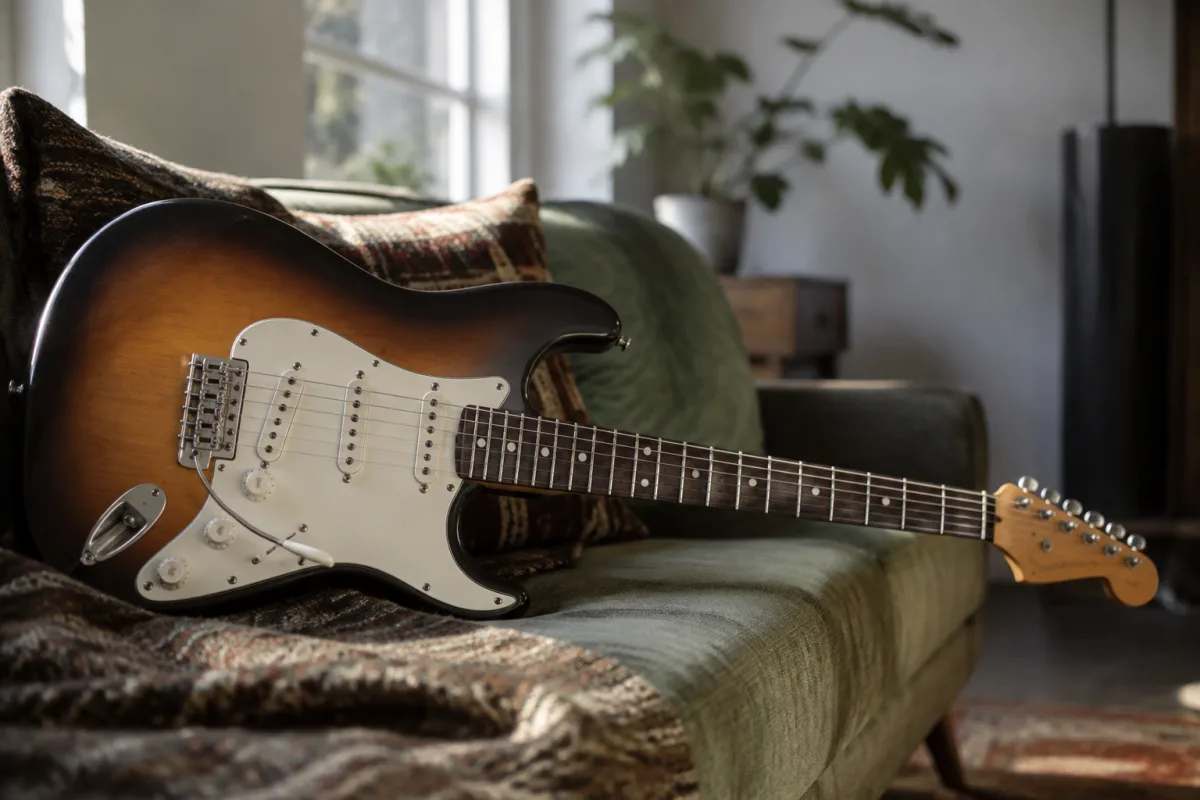
The Fender Junior Pro bridges the gap between budget-conscious guitarists and players seeking genuine Fender character without professional-level pricing. This versatile solidbody electric guitar offers legitimate playability and tone quality that inspires serious practice and performance. Selecting the right Fender Junior Pro requires understanding its strengths, comparing specs with alternatives, and honestly assessing your needs and budget. This buying guide shows you what genuinely matters when investing in a Fender Junior Pro.
Understanding Fender Junior Pro Position in the Market
Fender positions the Junior Pro between budget models and professional instruments, targeting intermediate players and those seeking genuine Fender heritage without premium pricing. The Fender Junior Pro delivers authentic Fender electronics and construction quality typically found in instruments costing substantially more, making it exceptional value in its price tier.
The Fender Junior Pro differs from professional Fender models through materials choices and manufacturing processes. Professional instruments use selected tone woods and hand-finished details; Fender Junior Pro models substitute with quality alternatives, reducing costs whilst maintaining functional playability and tone character.
Many accomplished players own Fender Junior Pro instruments alongside professional models. The Fender Junior Pro's reliability and reduced theft risk make it preferable for traveling musicians, teaching situations, or secondary instruments. This durability and practicality define the Fender Junior Pro's genuine appeal beyond simple budget considerations.
Key Specifications and Construction Details
Examining Fender Junior Pro specifications reveals what justifies its relative affordability compared with professional Fender models. The body typically features solid alder or basswood—materials offering good tone and stability at reasonable cost. Professional Fender Junior Pro models might use premium tone woods; budget versions accept solid alternatives offering nearly equivalent performance.
The Fender Junior Pro neck uses modern manufacturing techniques providing excellent playability whilst reducing hand-finishing labour costs. Fretwork quality determines practical playability more than neck wood selection; well-executed Fender Junior Pro fretwork supports fast playing and clear tone production equally to professional instruments.
Electronics represent where Fender Junior Pro instruments maintain professional quality. Original-specification Fender Junior Pro pickups deliver characteristic tone—warm, balanced, and versatile across genres. Capacitor and wiring quality typically match professional instruments, ensuring genuine Fender electrical character despite cost reduction elsewhere.
Hardware quality determines reliability and tuning stability. Fender Junior Pro instruments feature quality tuners, bridges, and electronics allowing stable tuning and reliable performance for years with basic maintenance. Budget alternatives often feature inferior hardware failing within years; Fender Junior Pro prioritises practical durability.
Comparing Fender Junior Pro Versus Alternatives
Choosing a Fender Junior Pro over alternatives depends on understanding relative values. Budget solidbody guitars under £200 sound acceptable but typically feature flimsy hardware and mediocre construction that undermines playability. Fender Junior Pro instruments at £300-400 invest more substantially in construction quality and hardware durability.
Professional Fender models at £600-1,000 offer tone woods selection, hand-finished details, and construction refinement that Fender Junior Pro models sacrifice. However, the actual playability and tone difference often disappoints buyers expecting proportional improvement to price. Many professional players prefer Fender Junior Pro instruments for their balance of cost, quality, and practicality.
Squire models—Fender's budget line—fall below Fender Junior Pro in construction quality and tone character, though representing better value for genuine beginners. As your skills develop, Fender Junior Pro instruments offer the upgrade path providing authentic Fender character at reasonable cost.
Colour and Finish Options
Fender Junior Pro models appear in various finishes, each affecting aesthetic appeal and maintenance requirements. Sunburst finishes showcase wood grain and offer classic aesthetics—worth premium pricing for many players. Solid colours (black, white, red) hide imperfections and photograph better than lighter finishes.
Metallic finishes on Fender Junior Pro instruments appear striking but demand more careful maintenance. Flake-based paints require frequent cleaning to maintain lustre; neglect reveals dull appearance quickly. Budget models sometimes use inferior metallic formulations appearing cheap after cosmetic wear.
Select your Fender Junior Pro finish based on genuine preference rather than perceived resale value. Quality finishes remain beautiful for decades; cheap finishes appear shabby within years regardless of care. Fender Junior Pro finishing quality justifies its cost through durability and appearance preservation.
Playability and Setup Considerations
All guitars benefit from professional setup, but Fender Junior Pro instruments especially respond to proper attention. Factory setup varies; some Fender Junior Pro models arrive ready for immediate playing whilst others require action adjustment and fretwork verification.
The Fender Junior Pro's neck profile suits various hand sizes and playing styles effectively. These guitars offer comfortable playability for most guitarists without feeling cramped or oversized. Test different finishes to identify which neck profile best matches your hand size and playing preferences.
String height (action) fundamentally affects playability. Fender Junior Pro instruments with low action play effortlessly; those with high action frustrate and discourage practice. Investing £40-60 in professional setup transforms a mediocre Fender Junior Pro into a genuine pleasure to play.
Common Purchasing Mistakes With Fender Junior Pro
Neglecting professional setup ranks as the most frequent error. Many buyers assume factory setup suffices, playing with suboptimal action for years. Proper setup costs reasonable money and transforms your playing experience dramatically.
Overestimating brand prestige misleads some buyers. The Fender Junior Pro name carries weight, but it represents a mid-tier offering. Expecting professional tone quality or construction from Fender Junior Pro models generates disappointment. Honest appreciation of its positioned level ensures satisfaction.
Another common mistake involves purchasing based on colour or aesthetics alone. Whilst visual appeal matters, playability and tone fundamentally define a guitar's value. Select your Fender Junior Pro based on how it plays and sounds; aesthetics become secondary considerations.
Comparing Fender Junior Pro only with budget alternatives skews perception. Comparing these models with professional instruments reveals reasonable value; comparing with ultra-budget options suggests unnecessary premium pricing. Broad comparison context clarifies actual value propositions.
Long-term Investment Considerations
Fender Junior Pro guitars retain value reasonably well due to brand recognition and quality construction. Resale value typically runs 40-60% of original purchase price after five years, depending on condition and finish. This depreciation aligns with comparable instruments, reflecting solid investment stability.
Maintenance requirements remain minimal for Fender Junior Pro instruments. Annual cleaning, occasional fret polishing, and string replacements sustain playability indefinitely. Unlike budget alternatives requiring hardware replacement, Fender Junior Pro models simply work year after year.
Upgrade paths from Fender Junior Pro remain logical. Many players transition to professional Fender models, appreciating the Junior Pro's foundational quality. The instrument teaches good practice habits without discouraging through poor playability.
Who Should Buy a Fender Junior Pro?
Intermediate guitarists seeking genuine Fender character without professional pricing find excellent value in Fender Junior Pro models. Teachers desiring reliable, durable instruments for teaching situations discover Fender Junior Pro ideal. Travelling musicians appreciate reduced theft risk compared with professional instruments. Recording musicians often incorporate Fender Junior Pro into sessions, knowing reliable performance justifies inclusion.
For comprehensive information about Fender Junior Pro models, detailed specifications, tone character across genres, and maintenance guidance, visit our complete guide to Fender Junior Pro guitars.


Comments