
Fender Junior Pro Amp article
The Complete Guide to Fender Junior Pro Amp
The Fender Junior Pro Amp delivers genuine tube tone in a compact, affordable package. Explore its warmth, natural breakup, built-in reverb, and why this 15-watt amp punches well above its weight.
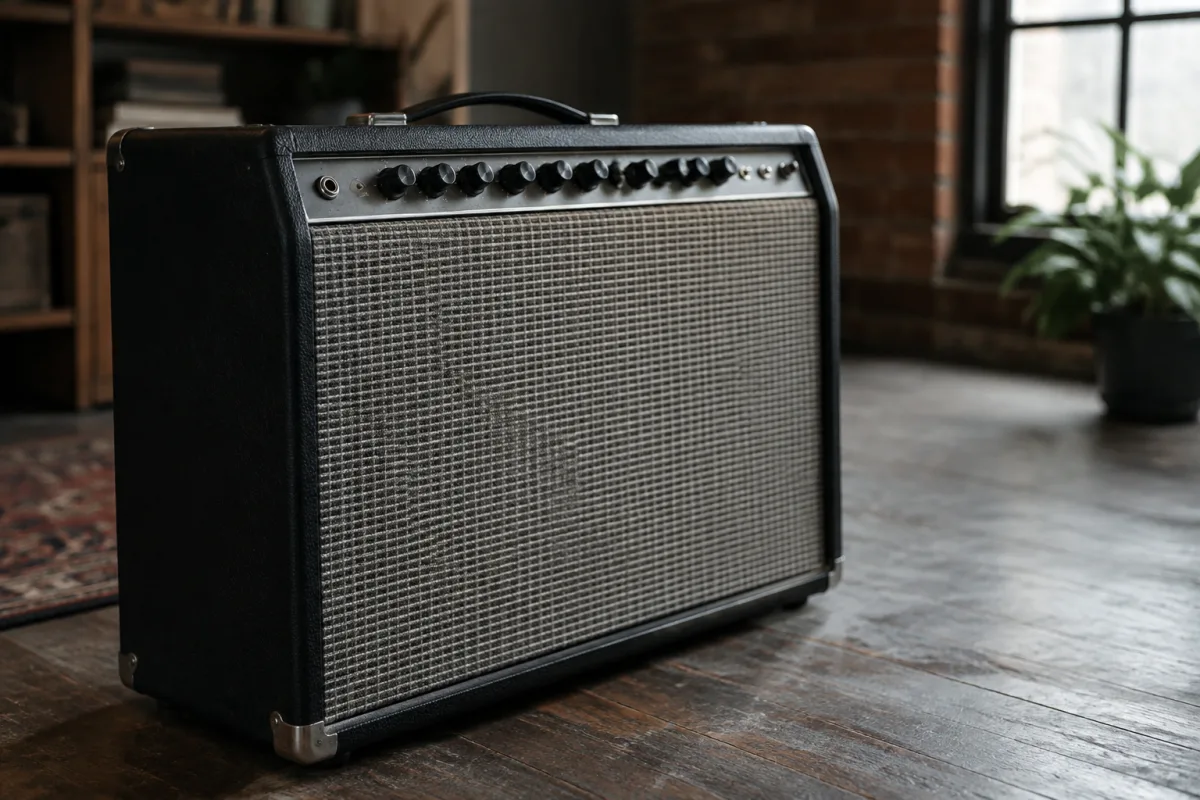
The Fender Junior Pro Amp stands out as one of the most approachable tube amplifiers for guitarists seeking genuine valve tone without overwhelming size or price. Delivering warm, responsive breakup at manageable volumes, this compact amp has earned its place in studios, bedrooms, and small venues worldwide. If you've ever wondered whether a professional-grade tube amp needs to be expensive or huge, the Fender Junior Pro Amp offers a compelling answer: no, it doesn't.
Understanding the Fender Junior Pro Amp's Design
The Fender Junior Pro Amp follows a beautifully simple circuit formula: EL84 output tubes, a 12AX7 preamp tube, and transformer-based construction. This means the Fender Junior Pro Amp delivers genuine valve tone with authentic harmonic saturation and natural compression. At just 15 watts, this compact amplifier punches considerably harder than its wattage suggests. The Fender Junior Pro Amp's efficiency means it breaks up naturally at volumes apartment neighbours won't complain about, making it genuinely practical for home use.
Cosmetically, the Fender Junior Pro Amp looks like a scaled-down version of Fender's larger combo amps—sleek, professional, understated. The front panel offers simple controls: Volume, Tone, and Master Volume on the Fender Junior Pro Amp give you intuitive command over your sound without overwhelming options. This simplicity isn't laziness; it's clarity. The Fender Junior Pro Amp designers understood that more knobs mean more confusion, not better tone.
Tone Character and Breakup Behaviour
Playing through a Fender Junior Pro Amp reveals why Fender tube amps have defined guitar tone for seven decades. The fundamental character leans toward warm, punchy, and naturally responsive. A clean tone on the Fender Junior Pro Amp stays pristine until you want it to break up, then it does so smoothly and musically. The Fender Junior Pro Amp's breakup isn't harsh or digital; it's the kind of organic saturation that makes you want to play longer.
The Fender Junior Pro Amp's EL84 tubes contribute a slightly compressed, "sag-y" feel—meaning the amp responds to pick attack with subtle give. When you hit it hard, the voltage sags slightly, adding harmonic colour without distortion pedals. This is why the Fender Junior Pro Amp works brilliantly with single-coil Stratocasters and Telecasters: the combination of guitar and amp interact musically, with your playing dynamics genuinely affecting the tone.
Built-In Effects and Modern Features
The Fender Junior Pro Amp includes reverb as standard, a genuinely useful addition that few compact tube amps offer at the price. The reverb on the Fender Junior Pro Amp isn't the digital afterthought found in budget amps; it's a proper spring reverb tank, adding spacious, natural ambience. This single feature makes the Fender Junior Pro Amp more musically complete than competitors without reverb built in.
The Fender Junior Pro Amp also includes an auxiliary input for backing tracks and a headphone output with cabinet emulation, handy for silent practice or recording. These modest but useful features on the Fender Junior Pro Amp acknowledge the real world where 3am practice sessions are necessary and monitoring without waking others matters.
Speaker and Cabinet Performance
The Fender Junior Pro Amp comes with a single 12-inch speaker—either a Celestion or Fender-branded unit, depending on the model year. This speaker choice is crucial: a 12-inch driver delivers genuine bass definition whilst remaining manageable in size. The Fender Junior Pro Amp's cabinet is sealed, not ported, prioritising tight, controlled bass response over artificial boom.
Many players find the Fender Junior Pro Amp sounds excellent, but they can expand it through an external speaker cable output. Running the Fender Junior Pro Amp into a quality 1×12 or 2×12 cabinet changes the tone remarkably—thicker, more complex, fuller low-end without losing the natural breakup character that makes the Fender Junior Pro Amp special. This flexibility means the Fender Junior Pro Amp grows with your needs.
Recording and Studio Applications
Studio professionals favour the Fender Junior Pro Amp for good reason: its small size fits any studio, its tone is immediately usable, and its lack of excessive volume means you can record at realistic levels. Many classic guitar tones started with a Fender Junior Pro Amp and a decent microphone. The natural breakup at moderate volumes makes the Fender Junior Pro Amp ideal for capturing authentic tube tone without needing massive volume.
Recording through the Fender Junior Pro Amp with a single microphone captures tone quickly. You get to the actual sound without hours of tweaking. This efficiency makes the Fender Junior Pro Amp popular with session guitarists, producers, and home recordists who value quick, reliable results.
Live Performance Considerations
At 15 watts, the Fender Junior Pro Amp suits small venues, rehearsal studios, and intimate performances. It projects well enough for coffee shops and bedrooms; it won't power large rooms without reinforcement. For performers who need to be heard and want genuine tube tone on stage, the Fender Junior Pro Amp delivers. Paired with a quality external speaker cabinet, the Fender Junior Pro Amp becomes a capable small-venue performer.
The Fender Junior Pro Amp's headroom remains modest—it's designed to break up naturally rather than stay pristine at volume. This characteristic suits blues, rock, and alternative styles perfectly. If you're seeking a loud, clean amp for jazz or funk, the Fender Junior Pro Amp isn't ideal; if you want natural tone that encourages musical playing, it's excellent.
Maintenance and Valve Replacement
The Fender Junior Pro Amp's simplicity extends to maintenance. Expect to replace the EL84 output tubes every 2–4 years depending on usage. This is straightforward, inexpensive work—EL84s are common and affordable. The preamp tube (12AX7) lasts longer and rarely needs replacement. A well-maintained Fender Junior Pro Amp will outlast fashion trends in guitar playing.
Temperature management matters. The Fender Junior Pro Amp runs warm—valves do. Keep it in a well-ventilated space, avoid enclosed cabinets, and don't stack other gear on top. These simple precautions keep your Fender Junior Pro Amp reliably producing tone for years.
Comparing the Fender Junior Pro Amp to Alternatives
The Fender Junior Pro Amp competes directly with other 15-watt tube amps from boutique builders and established brands. Vox AC15 and Marshall Class 5 are comparable options, each with distinct character. The Fender Junior Pro Amp's advantage is affordability, built-in reverb, and Fender's legendary reliability. You're buying over 70 years of tube amp design wisdom in a box that fits in a car.
Versus solid-state or digital amps, the Fender Junior Pro Amp costs more but delivers authentic valve tone. That tone justifies the expense if valve character matters to you. If you're undecided, try one through a decent guitar—the Fender Junior Pro Amp's warmth becomes obvious immediately.
Should You Choose a Fender Junior Pro Amp?
The Fender Junior Pro Amp suits anyone seeking genuine tube tone at reasonable price and size. Bedroom players appreciate the manageable volume and natural breakup. Studio engineers love its directness and quick setup. Gigging musicians find it capable for small venues. At its price point, the Fender Junior Pro Amp represents excellent value—you're getting real Fender engineering, authentic valves, and built-in reverb in a portable package.
If you've wondered whether expensive, large tube amps are necessary for great tone, the Fender Junior Pro Amp proves they're not. It's a reminder that sometimes, simplicity serves players better than complexity, and that smaller doesn't mean lesser when engineering is thoughtful.


Comments