
Fender Jazz 5 String article
The Complete Guide to Fender Jazz 5 String
The Fender Jazz 5 String delivers iconic bright, punchy tone with practical extended low-end range. Explore design, tonal character, and why it's the choice of professionals.
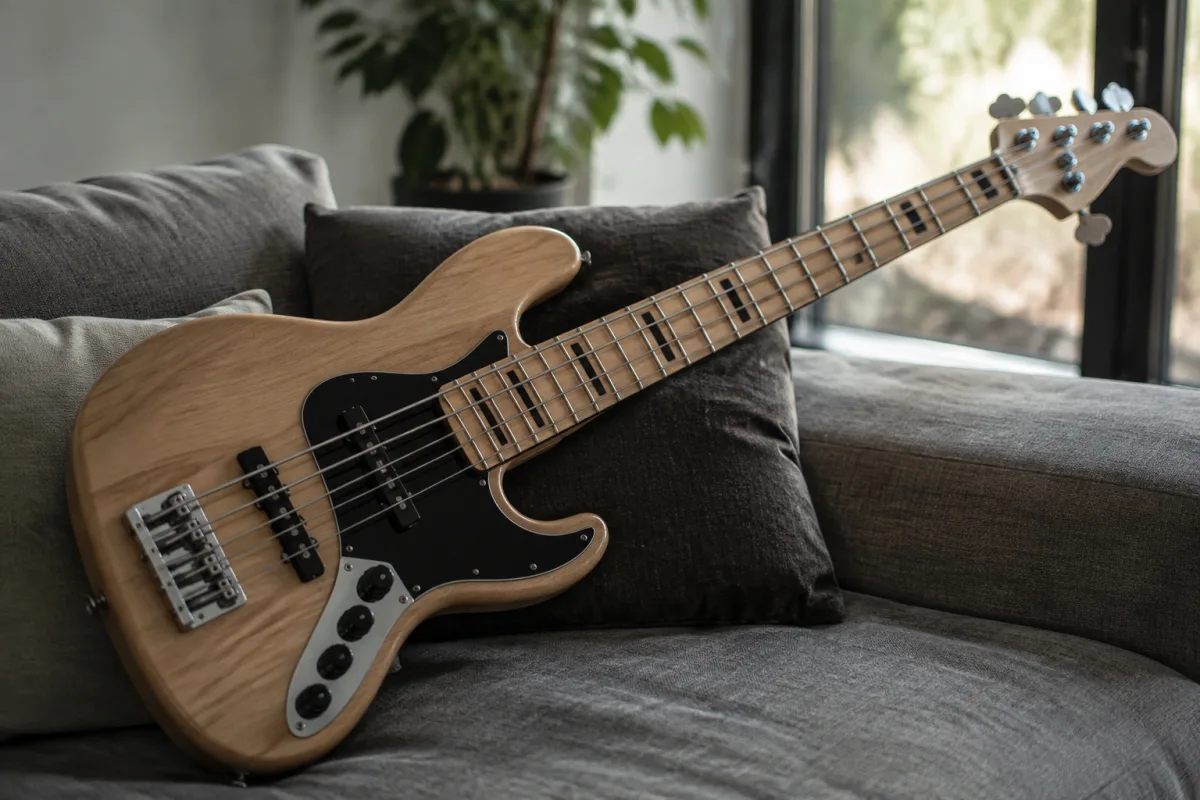
The Fender Jazz 5-String bass represents a modern evolution of one of the world's most iconic instruments. Whether you're exploring extended-range playing or seeking a versatile workhorse for contemporary styles, the Fender Jazz 5-String delivers the legendary bright, punchy tone of the original design whilst adding the low-end depth and tonal range that modern bass players demand. This guide covers everything you need to know about this instrument, from its design heritage to its place in today's music landscape.
Why Choose a Fender Jazz 5-String Bass?
The decision to move from a four-string to a five-string instrument opens up new musical possibilities. A Fender Jazz 5-String gives you all the characteristics that made the original Jazz bass legendary — its slim, contoured body, its punchy midrange, and its lightning-quick response — but with an added low B string that extends your range downwards by a perfect fourth.
The Fender Jazz has been a staple in studios and on stages since its introduction in 1960. Its tone is instantly recognisable: bright, focused, and articulate. The five-string iteration preserves this character whilst accommodating the demands of modern genres from jazz fusion and funk to progressive rock and contemporary metal. Many professional bassists choose the Fender Jazz 5-String precisely because it doesn't compromise on the original's tonal character whilst offering practical extended range.
The instrument's narrow neck profile and compact body make it comfortable for players with smaller hands and ideal for those who've transitioned from four-string basses without needing to adapt dramatically to a wider fingerboard. This accessibility combined with its professional-grade sound means the Fender Jazz 5-String suits both aspiring musicians and seasoned touring professionals.
Design and Build Quality
Understanding the construction of a Fender Jazz 5-String helps explain its sonic characteristics and durability. The bass features the instrument's signature slim, offset-waist body design — instantly recognisable and ergonomically refined through decades of evolution.
The Fender Jazz 5-String typically features an alder body, chosen for its balanced tonal response and lightweight properties. The neck is usually maple with either a rosewood or maple fingerboard, both of which perform reliably and age beautifully. The wider string spacing typical of five-string designs keeps the instrument playable even for those accustomed to four-string basses, and the narrow neck profile remains true to the original Jazz bass aesthetic.
Hardware specifications vary depending on the specific model within the Fender Jazz 5-String line. Entry-level models feature solid construction with quality hardware that delivers great value, whilst professional-grade versions offer premium bridges, more resonant pickups, and tighter tolerances throughout. Most modern versions include a comfortable 1.5-inch nut width, which is ideal for five-string playing without feeling cramped.
Pickup Configuration
The Fender Jazz 5-String uses the classic Jazz bass dual-pickup setup: a neck-position pickup and a bridge-position pickup. This configuration is renowned for its versatility. Rolling the bridge pickup to full volume gives you the snappy, percussive tone perfect for funk and slap work. Favouring the neck pickup delivers a rounder, deeper tone ideal for jazz, soul, and ballads. Blending both pickups produces the instrument's signature punchy midrange.
Modern variants may feature active electronics or passive circuits depending on the model. Passive systems preserve the natural, organic tone characteristic of traditional Jazz basses and are ideal for players who prefer simplicity and classic character. Active electronics provide greater control and can offer a wider sonic palette for genre-hopping players.
Tonal Character and Playing Style
The Fender Jazz 5-String occupies a unique sonic space. Its brightness and articulation make every note sit clearly in the mix — whether you're walking changes through jazz standards, syncopating funk grooves, or laying down aggressive metal riffs. The addition of the low B string adds depth without sacrificing the instrument's signature punch and focus.
Compared to precision bass designs, which emphasise fundamental low-end weight, the Fender Jazz 5-String plays cleaner and punchier. You hear more definition in each note. This makes it particularly suited to styles where bass lines need to sit clear within a dense mix, or where playing fast, articulate passages is essential. The five-string range allows modern composition and improvisation techniques that would be impossible on a four-string.
Many players find that the Fender Jazz 5-String responds beautifully to dynamic playing. Striking the strings harder produces a more percussive attack; playing softly yields a warm, singing tone. This responsiveness encourages expressive playing and rewards technique development.
Finding Your Fit: Models and Specifications
The Fender Jazz 5-String comes in several lines to suit different budgets and professional requirements. Whether shopping new or used, understanding the model ranges helps you make an informed choice.
| Aspect | Entry-Level | Mid-Range | Professional Grade |
|---|---|---|---|
| Body Material | Alder or basswood | Alder | Alder, hand-selected |
| Neck | Maple with rosewood board | Maple, comfortable profile | Premium maple with figured boards |
| Electronics | Passive or basic active | Passive or quality active | Premium passive or sophisticated active |
| Hardware | Solid, reliable | Quality bridge and tuners | Premium hardware throughout |
| Typical Price Range | £300–£600 | £600–£1200 | £1200 and above |
Entry-level Fender Jazz 5-String models represent excellent value and deliver the instrument's characteristic tone at an accessible price point. They suit beginners and bedroom musicians perfectly, with enough quality and playability to grow with an advancing player.
Mid-range versions offer noticeably improved pickups, more refined hardware, and tighter construction tolerances. Professionals and serious amateurs typically find this tier offers the best balance between cost and performance.
High-end Fender Jazz 5-String instruments feature meticulous craftsmanship, premium components throughout, and tonal characteristics that justify their investment. These are keepsakes, with finishes and playability that will remain excellent for decades.
Practical Considerations for Ownership
Before investing in a Fender Jazz 5-String, consider your musical needs and how this instrument fits into your playing life. The five-string format requires adjustment if you're migrating from four-string basses — your hand positioning changes slightly, and the wider nut width takes a few weeks of acclimatisation.
The instrument is exceptionally durable. Fender basses are played professionally across every conceivable genre, from intimate jazz clubs to sold-out stadiums, and they consistently deliver. The design has proven itself over six decades. A well-maintained Fender Jazz 5-String will serve reliably throughout your musical journey.
Setup is straightforward. Like all basses, a Fender Jazz 5-String benefits from professional setup — checking intonation, adjusting action and truss rod tension, and ensuring everything is optimally configured. Many players invest in quality strings to unlock the instrument's full potential; the Fender Jazz 5-String responds beautifully to premium string choices across all price categories.
Finding the Right Instrument
Shopping for a Fender Jazz 5-String is best approached by trying several examples side by side. Every instrument has subtle personality variations. Play through a clean amplifier and listen for response consistency across all strings and frets. Check that the neck feels comfortable, that frets are properly dressed, and that tuning stability meets your needs.
In the used market, vintage Fender Jazz 5-String basses command respect. Earlier examples may have unique characteristics and superior tonewoods. Modern versions benefit from refined design details and contemporary specifications. Both represent worthwhile investments depending on your preferences and budget.
Conclusion
The Fender Jazz 5-String bass delivers legendary character with practical modern range. It's an instrument that suits jazz musicians, funk players, progressive performers, and anyone seeking a bright, articulate, punchy tone with extended low-end reach. The five-string format opens compositional and improvisational possibilities that have become standard in contemporary music. Whether you're taking your first steps into extended-range playing or seeking a reliable workhorse for professional touring, the Fender Jazz 5-String represents one of the finest choices in the modern bass market. Its combination of tonal clarity, ergonomic comfort, and time-proven design ensures it will remain a cornerstone instrument across genres and skill levels for decades to come.


Comments