


Fender Electric Gig Bag Buying guide
Fender Electric Gig Bag: A Complete Buyer's Guide
A Fender electric gig bag protects your guitar from damage during transport. But not all gig bags are created equal. Before buying, understand which features matter and where manufacturers cut corners.
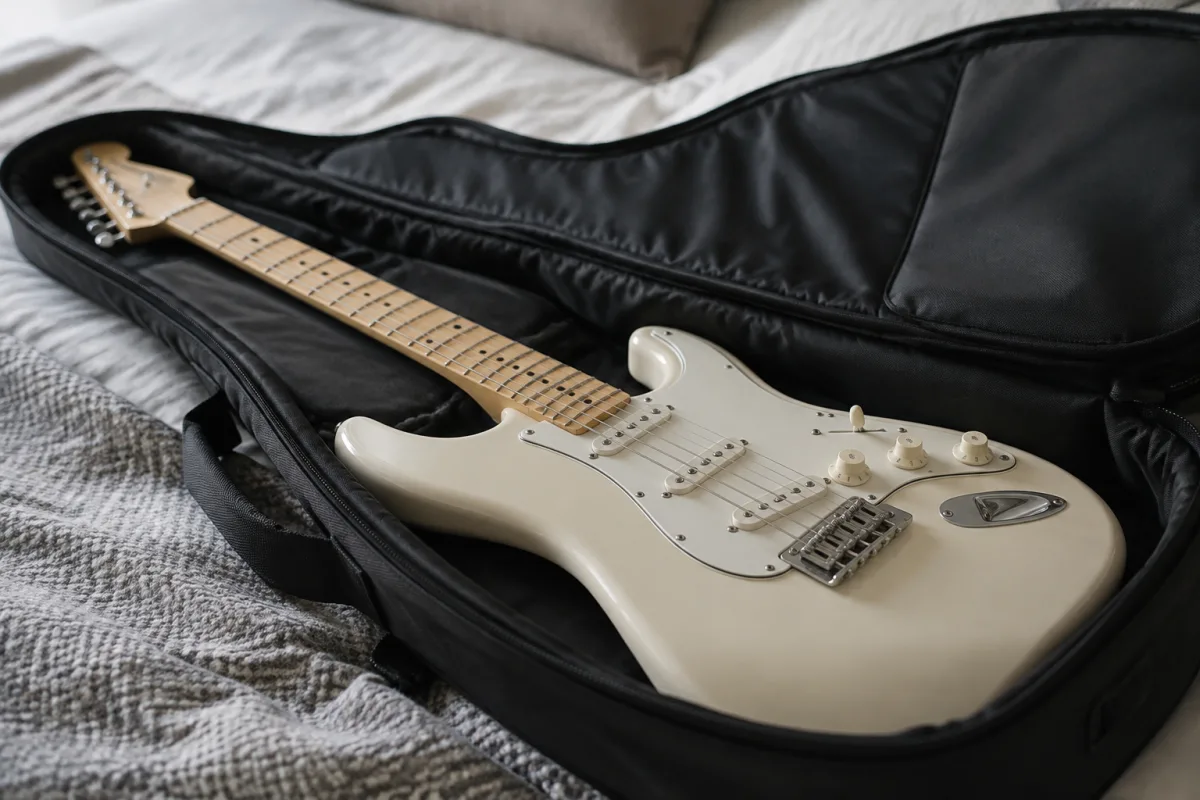
A Fender electric gig bag protects your guitar from damage during transport and storage. But not all gig bags are created equal. Some offer premium protection at justified cost; others scrimp on padding or durability, leaving your instrument vulnerable. Before buying, understand which features matter, which specs deliver genuine protection, and where manufacturers cut corners.
Padding Thickness and Material Quality
Padding is the core function of a gig bag. It absorbs impact when you bump the bag, drop it, or stack other items on top. Thicker padding doesn't automatically mean better protection. Quality matters as much as thickness.
Professional gig bags use 10-15mm of dense, closed-cell foam. This material resists compression and bounces back after impact. Budget bags use thinner, lower-quality foam that compresses easily and offers minimal protection. Check the padding specifications—reputable brands list this information. If they won't specify, assume it's inadequate.
Test the padding in-store by pressing hard with your thumb. Does it compress and stay compressed (bad), or does it bounce back immediately (good)? Quality padding feels firm and resilient. Poor padding feels soft and stays dented.
Fit and Compatibility
Gig bags come in various sizes designed for different guitar body shapes. A Fender Telecaster requires different dimensions than a Fender Strat. Choosing the wrong size means either wasted space (loose guitar that bounces inside) or a guitar that doesn't fit properly (damage risk and difficulty closing zippers).
Know your guitar model's dimensions before buying. Measure your guitar body length and width. Then match it to the bag's internal dimensions. A properly fitted bag holds your guitar snugly without crushing it. Too loose and your guitar slides around; too tight and zippers strain.
Fender offers bags optimised for different models. A Strat bag differs from a Telecaster bag. Pay attention to these distinctions. A universal bag is sometimes a compromise—it works adequately for many guitars but optimally for none.
Zip Quality and Hardware
Zippers and hardware are underrated. Cheap plastic zippers jam easily and break under tension. Professional bags use metal zippers and heavy-duty hardware that withstands years of use. The difference becomes obvious when you try to zip a bag with a marginal zipper—it feels sticky, catches, or doesn't fully close.
Check the zipper teeth up close. Metal teeth feel smooth and engage cleanly. Plastic teeth feel rough and catch easily. Pull the zip slider firmly. Does it glide smoothly or struggle? Test all zippers on the bag before buying. A broken zip makes the entire bag unusable.
Hardware includes handle attachment points, strap anchors, and corner reinforcements. These should be stitched firmly and reinced with metal. If handles feel loose or stitching looks thin, durability is compromised.
Weather Resistance and Materials
Your gig bag will endure wet weather, rain, and humidity. Water resistance is essential. High-quality gig bags use materials that shed water naturally—polyester, nylon, or canvas with water-resistant coatings.
Check whether the bag is fully sealed or has gaps. Professional bags seal at seams using waterproof tape. Budget bags sometimes skip this, leaving vulnerable seams where water seeps in. For any gig bag, consider a rain cover as additional insurance for valuable guitars.
Some premium bags offer full weatherproofing. These cost more but protect against serious weather. If you gig outdoors frequently or travel in wet climates, weatherproofing justifies the expense.
Pockets and Storage Features
Beyond protecting your guitar, a gig bag can store accessories: picks, cables, strings, tuners, and spare batteries. Evaluate storage capacity against your needs. Do you need a bag with extensive pockets, or is a simple design adequate?
Useful features include:
- Interior pockets: For cables and electronic accessories, away from your guitar.
- Exterior pockets: For quick-access items like picks or tuners.
- Cable organiser: Keeps cables from tangling and damaging the guitar.
- Neck rest: Soft padding that cradles the headstock, preventing pressure marks.
- Document pocket: For warranty papers or receipts.
More pockets aren't automatically better. Excess pockets add weight and cost. Match storage to your real needs.
Strap and Handle Design
How you carry your bag affects comfort and durability. Evaluate strap and handle design carefully.
A shoulder strap should be padded to distribute weight evenly across your shoulder. Thin straps cut into your shoulder during long carries. Adjustable straps let you customise length for comfort. Some bags offer a convertible design—play as a backpack or over-the-shoulder bag.
Top handles should be reinforced and positioned so they don't strain when carrying. Handles should feel firm and not flex excessively. Multiple carry options give flexibility—shoulder strap for casual carrying, handles for throwing in a car, backpack straps for travel.
Price Tiers and Quality Expectations
Fender electric gig bags span a clear price range with corresponding quality levels:
- Economy (£/€50-100): Minimal padding, basic materials, acceptable for light use. Adequate for home players who rarely transport their guitar.
- Mid-range (£/€100-200): Solid padding, quality hardware, weather resistance. Suitable for gigging musicians and regular transport. Professional-grade durability.
- Premium (£/€200-350): Premium materials, extensive storage, superior weatherproofing. For touring musicians and those who demand excellence.
- Ultra-premium (£/€350+): Luxury construction, bespoke features, extreme durability. For professionals who gig constantly.
The jump from economy to mid-range brings meaningful improvements in protection and durability. Jumping to premium adds convenience features and extreme weatherproofing. Ultra-premium offers diminishing returns unless you gig professionally.
Common Buying Mistakes
These errors waste money or leave your guitar vulnerable:
- Choosing based on aesthetics alone: A beautiful gig bag that doesn't protect is useless. Prioritise function over appearance.
- Ignoring fit and compatibility: A bag designed for Strats might not fit your Telecaster well. Know your guitar's dimensions and match them precisely.
- Underestimating padding needs: If you gig regularly or travel, invest in professional-grade padding. Skimping here risks expensive guitar damage.
- Overlooking zipper quality: A broken zip makes an otherwise excellent bag unusable. Test all zippers before committing.
- Buying a bag designed for a different guitar type: A bass gig bag won't fit an electric guitar well. Ensure the bag is designed for electric guitars specifically.
Before You Buy: Your Checklist
Test the padding by pressing firmly. Evaluate all zippers by opening and closing them multiple times. Check internal dimensions against your guitar's measurements. Assess strap comfort by putting the bag on your shoulder (even empty). Check hardware attachment points—are they reinforced and stitched firmly? Evaluate weather resistance by checking material composition and seam sealing. Ask about warranty and return policy. If possible, try it with your guitar before committing.
Making Your Decision
Choosing a Fender electric gig bag means balancing protection, features, and budget against your actual transport needs. Start with realistic assessment: How often do you transport your guitar? Do you gig regularly? Do you travel in wet climates? Answer these honestly. Then prioritise padding quality and hardware durability as non-negotiable. Finally, add features and aesthetics that match your lifestyle. For comprehensive context on gig bags and guitar protection options, explore our complete guide to Fender electric gig bags.



Comments