


Fender Dreadnought article
Fender Dreadnought for Beginners: A Complete Guide
Your guide to starting with a Fender dreadnought. Explore size considerations, tone quality, playability, budget options, and how to choose your first guitar.
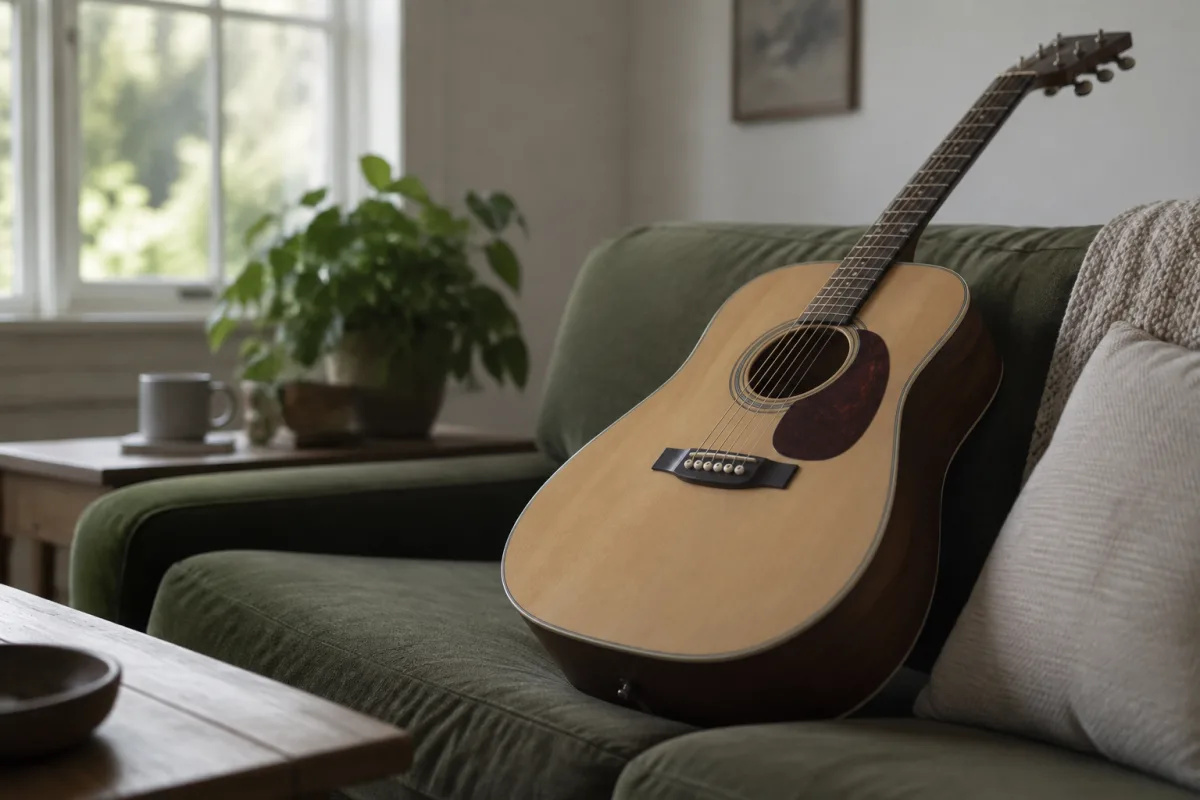
A Fender dreadnought acoustic guitar is a beautiful, iconic choice for a beginner—a guitar that looks professional, sounds rich and full, and comes from a legendary name in music. If you're starting your guitar journey and drawn to the idea of strumming a dreadnought, this guide is designed to help you understand what makes a Fender dreadnought special, whether it's truly the right first guitar for you, and what to expect during your first weeks of playing. A Fender dreadnought is more than just a guitar; it's an investment in inspiration and tone that can motivate years of practice.
What Makes a Fender Dreadnought Different?
A dreadnought is a large acoustic guitar body shape—bigger than standard concert-size guitars—designed to produce powerful, full-bodied sound with emphasis on low-end warmth and projection. The name comes from the HMS Dreadnought, a large battleship, because dreadnoughts are big and commanding.
Fender's dreadnoughts continue the company's reputation for consistency and playability. A Fender dreadnought typically features a spruce top (bright, responsive), mahogany back and sides (warm, resonant), and a solid construction that rewards proper playing technique. You're buying a guitar that will inspire you to practice, that sounds genuinely professional, and that will serve you beautifully whether you're recording at home or playing in a coffee shop.
The tradeoff? Dreadnoughts are larger guitars. They're heavier than concert models, require more hand strength for beginners, and need proper care. But for someone seriously committing to learning guitar, a Fender dreadnought is an excellent choice.
Size and Physical Considerations for Beginners
Here's the honest truth: a dreadnought is a big guitar. If you're physically small, have short arms, or are very young, a dreadnought can be challenging. Fender offers smaller-bodied guitars (concert, parlour) that are friendlier to beginners. Before you commit to a Fender dreadnought, honestly assess your size and strength.
Will a dreadnought fit me? If you can wrap your arms around it comfortably and reach the full length of the neck without straining, a dreadnought will work. If it feels oversized or awkward, consider a concert-size guitar instead. Size matters more than you might think for beginner comfort.
Is it too heavy? Dreadnoughts typically weigh 2 kg, compared to 1.5–1.7 kg for concert guitars. The difference affects comfort during long practice sessions, especially for smaller-framed players. Hold a few guitars and judge the weight yourself; don't assume all acoustics feel the same.
Finger strength and reach: A large body requires your arm to stretch further to reach the lowest frets. This is actually fine and normal—your arms adapt within weeks. But be aware that the physical demands are real and temporary.
Sound Quality and What to Expect
A quality Fender dreadnought sounds warm, full, and inspiring. When you play open chords, they ring with resonance. When you strum rhythmically, the guitar responds dynamically to your touch. This immediate feedback—the guitar rewarding good technique with good sound—is invaluable for a beginner. You'll be motivated to improve because the instrument inspires you.
Budget Fender dreadnoughts (£300–600) sound competent and play fine, but the tone is thinner than mid-range models. If you can stretch to mid-range (£600–1,200), the jump in tone quality is noticeable and worth it. Professional-level Fender dreadnoughts (£1,200+) are objectively beautiful, but they're overkill as a first guitar unless you're certain you'll play seriously.
The magic of a good dreadnought is that it inspires practice. If your first guitar sounds thin or doesn't respond to your playing, you'll quit within weeks. A quality Fender dreadnought keeps you playing and improving.
Action and Playability for Beginners
Action refers to the height of the strings above the fretboard. High action (strings far from the board) requires more finger pressure and causes hand soreness; low action is easier to play but might buzz (strings hitting frets). A well-set-up Fender dreadnought comes from the shop with moderate action—playable for beginners but requiring some technique development.
When you buy a Fender dreadnought, ask about setup. A professional setup (adjusting neck, saddle, and nut) costs £30–80 but makes a profound difference in playability. Many shops include setup with purchase; confirm before you buy. A guitar with poor setup will frustrate you and slow your progress.
Ding Protection: Reality Check
Acoustic guitars are fragile. Drop a dreadnought on its corner and you'll have a visible dent. Bump it against a wall and you've gouged the finish. This isn't a character flaw of Fender dreadnoughts—it's true of all acoustics. As a beginner, you'll ding your guitar. That's inevitable and doesn't indicate poor quality.
Protect your Fender dreadnought: use a padded gig bag, handle it carefully during transport, and store it away from direct sunlight and extreme temperature changes. A guitar case is ideal, but a decent gig bag (£30–60) is protective enough for home use. Don't obsess over protection; just be respectful.
Budget and Value
Budget Fender dreadnoughts (£300–600): Entry-level models that play fine and look good. Sound is adequate but thinner than costlier guitars. Great if money is tight, but sound quality might leave you wishing you'd spent more.
Mid-range Fender dreadnoughts (£600–1,200): Solid tonewood (spruce, mahogany), good finish, responsive sound. The best value for a beginner seriously committing to guitar. Sound quality is genuinely inspiring; you'll feel proud playing an instrument at this level.
Professional Fender dreadnoughts (£1,200–3,000+): Hand-built, premium tonewoods, exceptional finish and tone. Overkill as a first guitar unless money is no object or you're a trained musician upgrading. These instruments are built to last decades and reward mastery.
Most beginners benefit most from a mid-range Fender dreadnought. Spend enough to get inspiring tone; don't overspend on professional models you might outgrow or lose interest in.
Strap and Accessories
A Fender dreadnought typically ships without a strap, tuner, or stand. Budget £40–80 for essentials: a padded strap (£15–25), a digital tuner (£10–20), and a stand to keep the guitar accessible and safe (£15–30). These aren't optional—they're part of setting up your practice space for success.
Common Beginner Assumptions About Dreadnoughts
Assumption 1: "A dreadnought is too loud and powerful for bedroom practice." False. Acoustic guitars are as loud as you make them. A dreadnought played softly is quieter than a plugged-in electric amp. Dreadnoughts are powerful, but they're quiet when you want them to be.
Assumption 2: "All Fender dreadnoughts sound the same." False. Entry-level to mid-range models differ noticeably in tone and responsiveness. Professional models are even more distinctive. Playing different Fender dreadnoughts reveals these differences immediately.
Assumption 3: "A dreadnought is too big for a beginner." Not necessarily. Whilst dreadnoughts are large, they're not unplayable for most adults. Children and very small-framed adults might prefer concert guitars, but average-sized beginners adapt to dreadnoughts within days.
Assumption 4: "I should buy a cheap Fender dreadnought to see if I'll stick with guitar." Actually, buy the best Fender dreadnought you can afford. A cheap guitar that sounds uninspiring is a quitter's tool. A guitar that sounds beautiful and responds to your effort motivates practice. Invest properly and you'll play more, improve faster, and enjoy the journey.
Maintenance and Care
A Fender dreadnought requires minimal maintenance: regular string changes (every 3–6 months depending on play frequency), occasional fretboard cleaning, and protection from extreme humidity and temperature. Acoustic guitars prefer moderate humidity (40–50%); very dry conditions crack the wood, very wet conditions cause swelling.
Annual professional maintenance (check-up, fret levelling, setup adjustment) is ideal for guitars played regularly. For casual playing, every 2–3 years is reasonable. Fender guitars hold up well; with basic care, you'll play the same Fender dreadnought for decades.
Cross-linking for Further Exploration
Once you've bought your Fender dreadnought and grown comfortable with it, you'll want to explore different playing techniques, maintenance deep-dives, and how Fender's lineup compares. Our complete guide to Fender dreadnoughts covers these topics and much more about this iconic instrument.
The Bottom Line
A Fender dreadnought is an excellent first guitar if you honestly assess your size and commitment. The dreadnought's powerful, full-bodied tone is genuinely inspiring and motivates practice. Fender's reputation for consistency means you're buying reliability and resale value alongside tone. Start with a mid-range model (£600–1,200) for the best balance of sound quality and value. Set it up properly, treat it with respect, and you'll play the same Fender dreadnought for years—perhaps a lifetime. This is one of the rare purchases that justifies its reputation through pure music-making potential. When you pick up a quality Fender dreadnought for the first time, you'll understand immediately why so many musicians choose this guitar as their companion for the journey.



Comments