


Fender Classic Series 70s Buying guide
Fender Classic Series 70S: A Complete Buyer's Guide
Fender Classic Series '70s guitars deliver authentic 1970s character at prices lower than vintage originals. This buying guide explains which models suit your needs and how to evaluate these period-correct instruments.
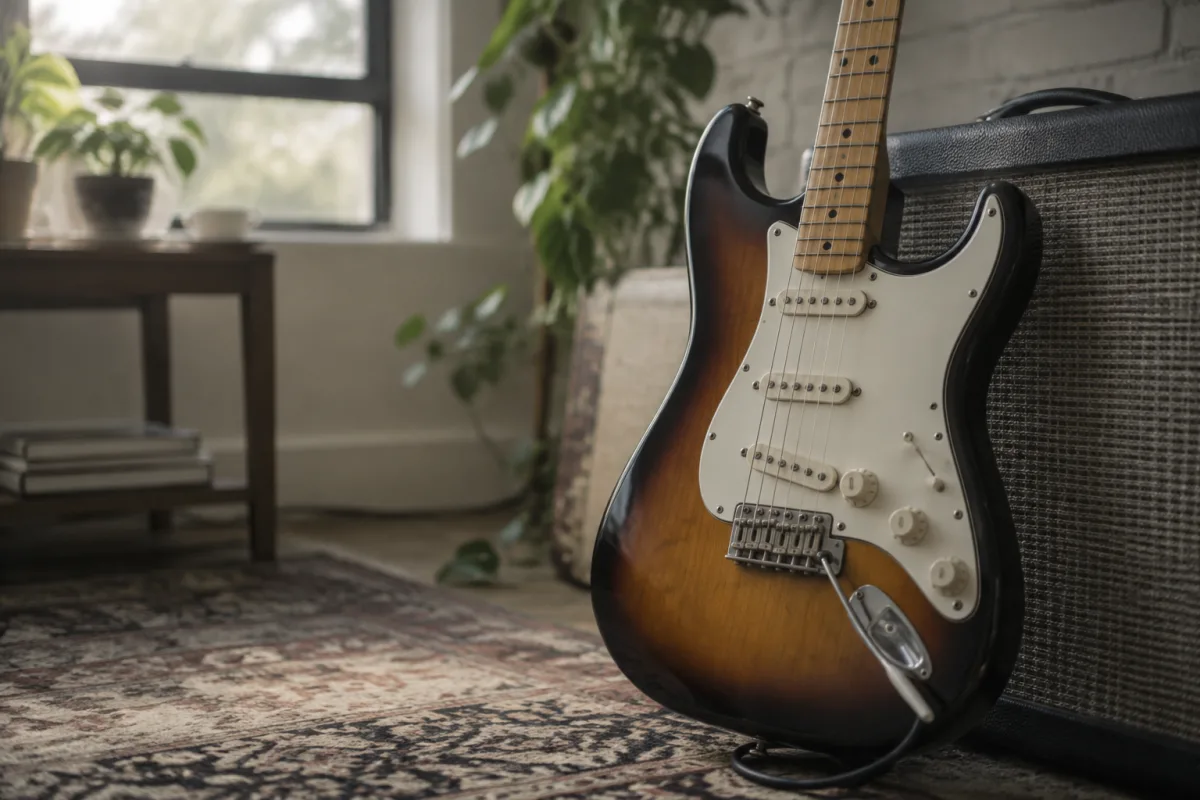
Fender's Classic Series '70s guitars offer authentic 1970s aesthetics and tone at prices significantly lower than vintage originals or contemporary USA-made instruments. These models appeal to players seeking genuine period-correct character without vintage rarity premiums or modern interpretations. Understanding what Classic Series '70s instruments provide, how they compare to alternatives, and which models suit different players ensures you invest confidently in an instrument delivering genuine value and satisfaction.
The Classic Series Concept
Fender's Classic Series recreates their instruments from specific decades—the 1950s, 1960s, and 1970s—using period-correct specifications, finishes, and components as practical. These instruments don't attempt modern refinements; they prioritise authentic 1970s character instead. For detailed exploration of what Classic Series '70s models offer, review the complete guide to Fender Classic Series '70s guitars.
The result: instruments sounding and feeling genuinely like 1970s Fenders without the $3,000+ premiums commanding by vintage originals.
Manufacturing and Build Quality
Classic Series '70s models are manufactured in Mexico, not the United States. This positioning places them between budget Squier brands and premium USA-made Fenders. Mexican manufacturing delivers consistent quality control and respectable playability whilst maintaining affordable pricing.
Neck construction: Bolt-on neck design characteristic of 1970s Fenders. Modern precision joinery ensures stable neck-body interface and accurate intonation.
Body woods: Typically alder or poplar bodies, emulating 1970s construction. These woods resonate naturally with warm, full-bodied tone characteristic of the era.
Finish quality: Classic Series instruments receive authentic nitrocellulose finishes—the same finish type used during the 1970s. Unlike modern polyurethane finishes, nitro finishes naturally age and exhibit relic characteristics. This appeals to players valuing authentic period aesthetics.
Hardware and electronics: Components reflect 1970s standards—vintage-style tuning machines, period-appropriate pickups, and simplified electronics matching original designs.
Model Variations Within Classic Series '70s
The Classic Series encompasses multiple Fender designs from the 1970s:
Stratocaster '70s: Featuring characteristic wide single-coil pickups, synchronised tremolo, and body contours optimised for comfort. This model carries the most nostalgic appeal amongst players valuing authentic Strat character.
Telecaster '70s: Single-cutaway slab body with dual single-coil pickups. The Telecaster's simplicity and straightforward tone make it endlessly versatile.
Jazzmaster '70s: Offset body with dual single-coils and sophisticated switching. The Jazzmaster's unconventional design appeals to players seeking distinctive aesthetics alongside unique tonal characteristics.
Mustang '70s: Compact offset design featuring dual single-coils. Popular with players prioritising comfortable body size and vintage character.
Pricing and Value Positioning
| Category | Typical Price | Construction | Application |
|---|---|---|---|
| Budget Alternatives (Squier) | £150–350 | Indonesia or Vietnam-made | Beginners, learners, budget-conscious players |
| Classic Series '70s | £500–800 | Mexico-made | Working musicians, players valuing vintage character, enthusiasts |
| USA-made Fenders | £1,200–2,000 | USA hand-crafted | Professional performers, collectors, tone-focused players |
| Vintage Originals | £1,500–5,000+ | Genuine 1970s construction | Collectors, investment purchases, players seeking authentic rarity |
Classic Series '70s instruments occupy the sweet spot—significantly cheaper than USA-made Fenders whilst offering substantially better quality than budget Squiers. Working musicians often prefer Classic Series instruments over more expensive alternatives—the cost justifies casual gigging without financial anxiety.
Tonal Characteristics: What to Expect
Classic Series '70s models deliver warm, full-bodied tone characteristic of 1970s Fenders. Single-coil pickups provide natural treble sparkle and dynamic responsiveness. The tone feels less aggressive than modern designs—appropriately suited to blues, classic rock, funk, and vintage soul.
Stratocaster '70s tone: Warm, balanced character with clear treble response and substantial midrange. The wide pickups provide full-bodied tone unlike the thinner single-coils of 1950s-60s designs.
Telecaster '70s tone: Bright, cutting character with pronounced treble. The bridge pickup delivers characteristic "twang" favoured by country and rock players.
Jazzmaster '70s tone: Thick, full tone from offset body design. Sophisticated switching enables tonal variety—from warm jazz voicings to driven rock tones.
If you prioritise modern, aggressive tone (high-output pickups, active electronics), Classic Series '70s guitars sound too warm and "vintage." Conversely, if 1970s warmth and character matter to your musical vision, these instruments deliver authentic authenticity at reasonable investment.
Playability and Setup Considerations
Classic Series '70s guitars arrive factory-set to playable action. However, most players benefit from professional setup (£40–80) optimising action, intonation, and personal preference.
Action height: Factory defaults often suit most players but vary by individual preference. Setup service adjusts action to exact specifications.
Neck relief: Inspect sighting down the fretboard for excessive bow or backbow. Slight forward bow is normal and desirable; excessive bow indicates need for truss rod adjustment. Professional technicians address this during setup.
Fretboard condition: Look for lifted frets, cracks, or uneven wear. Factory fretwork is generally adequate but benefits from professional polishing and dressing during setup.
Tremolo System Characteristics
Classic Series Stratocasters feature 1970s-spec synchronized tremolo systems. These units function reliably but behave differently than modern designs:
- Bridge shifts subtly when engaging the tremolo
- Returning to perfect pitch requires careful technique
- Extreme tremolo bends create tuning instability
This is genuinely period-correct behaviour—1970s Fenders behaved identically. For players seeking authentic 1970s character, this tremolo behaviour is part of the appeal. For players requiring precise tuning stability during extreme bends, modern designs function more predictably.
Nitrocellulose Finishes: Understanding the Commitment
Classic Series '70s instruments employ authentic nitrocellulose finishes rather than modern polyurethane. This choice creates genuine vintage aesthetics but requires understanding the finish's characteristics:
Advantages: Naturally ages and develops relic character. Allows wood grain to breathe, creating subtle colour changes over time. Replicates authentic 1970s instrument appearance.
Disadvantages: More vulnerable to UV exposure and environmental damage. Requires more careful maintenance than modern finishes. Liquid and heat can damage nitro finishes—coasters and stands are genuinely important.
If you value authentic vintage aesthetics and don't mind meticulous maintenance, nitro finishes reward investment. If you prioritise durability and low-maintenance finishes, modern polyurethane-finished guitars serve better.
New vs. Used Classic Series '70s
Classic Series instruments hold value reasonably well. Used models typically cost 60–70% of original retail, depending on condition and age.
Used advantages: Nitro finish often develops desirable aged character. Purchasing established models eliminates uncertainty about longevity. Significant price reduction.
Used disadvantages: Possible fretboard wear, potential finish checking (crazing), and unknown playability history. No warranty coverage.
New purchases provide warranty, confidence in condition, and unstaged nitro finishes. Used purchases offer character and significant savings for players comfortable with pre-owned instruments.
When Classic Series '70s Makes Sense
Choose Classic Series '70s guitars when:
- You want authentic 1970s character without vintage premium pricing
- Warm, full-bodied tone aligns with your musical priorities
- Nitrocellulose finishes and period-correct aesthetics appeal to you
- Your budget permits £500–800 investment without financial strain
- You value working instruments over investment pieces
- You play genres (blues, classic rock, funk) where 1970s tone makes sense
When Alternatives Might Suit Better
Consider alternatives if:
- You need modern features (active electronics, modern tremolo systems)
- Your music prioritises aggressive, high-output tone
- Your budget allows USA-made instruments and you value domestic craftsmanship
- You prefer low-maintenance finishes over nitrocellulose requirements
- You're a beginner seeking absolute budget minimums (Squier suffices)
Testing Before Purchasing
Before committing to Classic Series '70s purchase, play multiple models in person. The subtle differences between Stratocaster, Telecaster, and Jazzmaster designs become apparent only through hands-on evaluation.
Assess these characteristics:
- Body comfort and balance when standing and sitting
- Neck profile and feel under your hands
- Tonal response through various amplifier settings
- Tremolo system behaviour and stability
- Finish quality and consistency
- Electronics responsiveness and switch click
Long-term Satisfaction
Classic Series '70s guitars reward investment through decades of reliable performance. The warm, full-bodied tone appeals broadly—not trending toward irrelevance as tastes evolve. The nitro finishes develop genuine character over years, becoming genuinely beautiful instruments.
Proper maintenance (humidity control, regular cleaning, careful handling) ensures your Classic Series guitar remains playable and visually appealing for life.


Comments