


Fender Classic 70s Buying guide
Fender Classic 70S: A Complete Buyer's Guide
Shopping for a Fender Classic 70s? This guide covers price tiers, key specs, what to inspect before purchase, and how to avoid common pitfalls.
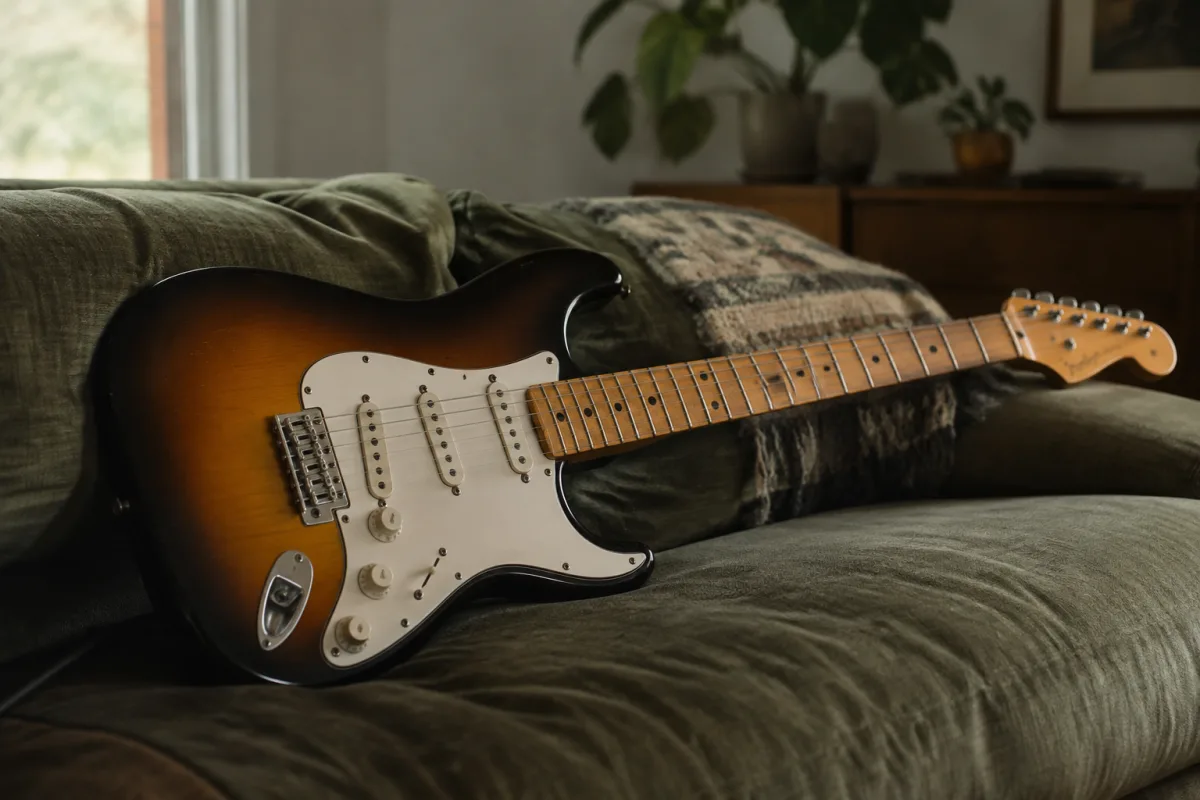
The Fender Classic 70s is a reissue line designed to capture the essence of 1970s Fender guitars whilst delivering modern quality control and playability. For players seeking authentic vintage tone without the uncertainty and expense of actual vintage instruments, the Classic 70s is compelling. But buying one requires knowing what specs define the series, what to inspect for quality, and how to avoid common pitfalls so you get a guitar that truly delivers the 70s vibe you're seeking. This buyer's guide walks you through everything you need to know.
Understanding Fender Classic 70s Price Tiers and Versions
Standard Classic 70s (£800–£1200)
The entry point to the series. These use solid wood construction with authentic 70s appointments (headstock logo style, body contours, hardware design). Electronics are faithful reproductions. Quality is solid, and the vibe is unmistakably 70s. A standard Classic 70s is an excellent value for the price.
American Classic 70s (£1200–£1800)
These are made in the USA with stricter quality control and premium wood selection. Finished and assembled by skilled craftspeople. American-made Classic 70s guitars have tonal clarity and construction detail that justify the price premium over standard versions. If craftsmanship and tone matter, this tier is worth the investment.
Vintage-Spec or Limited Editions (£1500–£2200+)
Fender occasionally releases limited-edition Classic 70s models with specific vintage appointments or finishes. These capture exact specifications from celebrated 1970s instruments. Collectibility and uniqueness command premium prices. These appeal to serious vintage enthusiasts.
Essential Specs to Verify
Body Wood
Classic 70s guitars use alder for bright, punchy tone or ash for brighter, more articulate sound. Both are period-appropriate. Alder is warmer; ash is snappier. Choose based on your tonal preference. Confirm the spec sheet matches what you're buying—some models combine alder body with ash cap (veneer). This affects tone subtly but noticeably.
Neck Wood
Maple is standard and authentic. Some players prefer rosewood fretboards (found on some versions) for visual appeal and slightly warmer feel. Maple fretboards are classic 70s look and offer the brightest, snappiest response. Test both if possible, but either is fine.
Pickups
Classic 70s guitars feature Fender Custom Shop pickups, vintage-spec Fender pickups, or Fender's standard reissue pickups depending on the model. These are excellent reproductions of original 70s pickups—warm, slightly lower output than modern hot pickups, and full of character. Listen to demos to confirm the tone matches your expectations. All Classic 70s pickups are good; the variation is subtle.
Hardware
Chrome, nickel, or original-spec patina finishes are offered. Chrome is bright and modern-looking but historically inaccurate. Nickel looks vintage and is period-appropriate. Patina finishes look aged immediately, which some love and others find gimmicky. Choose based on aesthetics and whether vintage appearance matters to you.
Finish and Colour
Classic 70s guitars come in authentic 70s colours like Sunburst, Fiesta Red, Seafoam Green, and Natural. Verify the colour is what you expect—finishes can photograph differently than in person. Look at multiple photos and video in different lighting to confirm you like it.
What to Inspect Before Buying
Playability and Fret Condition
Sight down the neck from both ends. Frets should be level with no high spots or dips. Press down at the first and last frets—if the middle frets buzz noticeably, setup work is needed. Play open chords and scales across the full neck. Tone should be consistent; no dead spots or excessive buzzing.
Action (String Height)
Action on a new Fender Classic 70s typically comes from the factory reasonable but often slightly high. Some players prefer a higher, stiffer action that's authentic to 70s specifications. Others prefer modern, lower action for comfort. Test the action by playing and decide whether you'd accept it or budget for professional setup (£40–£60).
Pickup Functionality
Plug the guitar into an amplifier and test each pickup position. Tone should be warm and vintage-sounding. No crackling, crackling, or dead tones. Volume consistency between pickups should be reasonable (one slightly louder is normal). The tone should inspire you immediately.
Hardware Quality
Tuning pegs should turn smoothly and hold tuning stably. The bridge (bridge saddle and baseplate) should be solid with no movement. Strap buttons should be secure. Check the tremolo arm (if equipped)—it should move smoothly and return to centre easily. Avoid guitars with loose or stiff hardware.
Finish Inspection
Run your hand over the body and neck. The finish should be smooth and even. Look for drips, dust in the finish, rough patches, or uneven thickness. A rough finish suggests quality control issues that may correlate with other build problems. Cosmetic flaws are fine; rough or gloppy finish is a red flag.
Body and Neck Alignment
View the guitar from the headstock end, sighting down the body. The body and neck should be straight and aligned. Any visible twist or warp is a defect. Flex the guitar gently—there should be no creaking or movement in the neck-to-body joint.
Common Pitfalls to Avoid
Assuming All Classic 70s Sound Identical
Variation exists between individual guitars, even from the same year and model. Tone depends on wood density, finish thickness, pickup magnetism variations, and setup. Play multiple examples if possible before committing. An average guitar in the line can disappoint; a particularly good one will inspire.
Ignoring Personal Tone Preferences
A Fender Classic 70s has a characteristic warm, slightly blooming tone—authentic to the era. If you prefer bright, aggressive modern tone, a Classic 70s may feel too smooth and dark. Prioritise how it sounds to your ears over the vintage vibe. Tone trumps authenticity.
Not Factoring Setup into Budget
New Fender Classic 70s guitars often need professional setup (£40–£60) to optimise playability and intonation. Budget this cost upfront. A freshly set-up Classic 70s will play and feel better than factory spec, especially if the factory action is too high for your preference.
Buying Online Without Testing First
If purchasing online, choose a retailer with a strong return policy (30 days minimum). Test the guitar for the full return period before deciding. Vintage-spec guitars have characteristics that may take days to appreciate or decide against. Don't commit without adequate trial time.
Overlooking Finish Durability
Fender's nitrocellulose finishes (authentic to the 70s) are thinner than modern polyurethane finishes. They're more prone to chips and scratches. If you gig or play rough, budget for eventual refinishing (£300–£600). Understand this going in rather than discovering it disappointingly later.
Fender Classic 70s Buying Checklist
- Frets are level with no high spots or dead zones
- Action is comfortable (or acceptable for your preference)
- Pickups sound warm and inspiring across all positions
- Tuning pegs turn smoothly and hold pitch
- Bridge and hardware are secure and functional
- Finish is smooth and even with no drips or rough patches
- Body and neck are straight with no twist or warp
- Tone satisfies you immediately (don't buy hoping it will grow on you)
- Wood species and hardware match the spec you expect
- Return policy allows adequate trial time if buying online
Conclusion: Finding Your Fender Classic 70s
A Fender Classic 70s delivers authentic 1970s tone and character with modern reliability. Choose based on tone and playability, not price or hype. Test thoroughly—even within the same model, individual guitars vary. For detailed technical specifications and comparisons of different Classic 70s models, read the complete guide to Fender Classic 70s. With proper inspection and realistic expectations, you'll own a guitar that feels and sounds authentically 70s whilst playing reliably for decades.


Comments