


Fender Blues Jr Amp Buying guide
Fender Blues Jr Amp: A Complete Buyer's Guide
The Fender Blues Jr amp is legendary for tone. Discover whether 15 watts is right for you, how to evaluate tube condition on used models, and avoid costly buying mistakes.
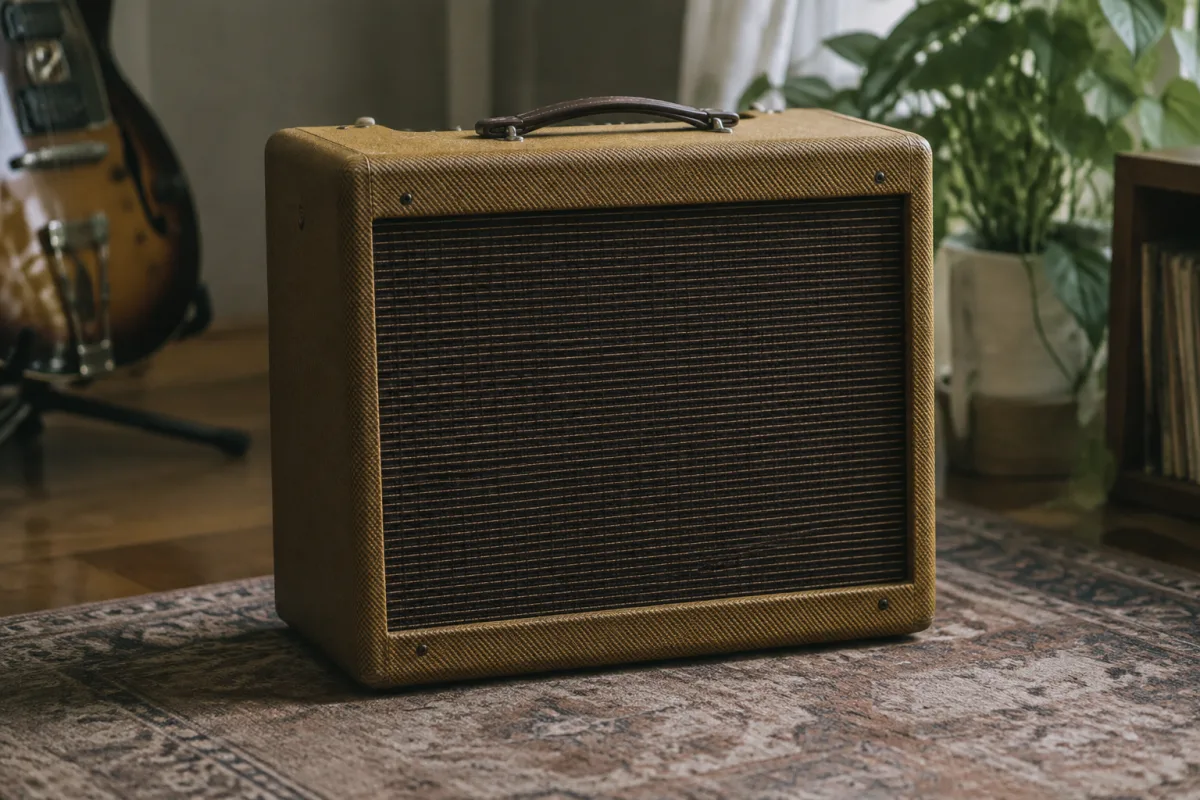
The Fender Blues Jr amp stands out as one of the most sought-after small amplifiers for blues, classic rock, and vintage-voiced styles. If you're considering buying a Fender Blues Jr, you're looking at a genuinely iconic amp that's been a musician's workhorse for decades. However, understanding what makes this amp special—and whether it's the right choice for your needs—requires looking past the hype and evaluating specific features that matter for your playing style, budget, and setup. This buying guide shows you exactly what to assess before committing to a Fender Blues Jr amp purchase.
Power Output and Volume Considerations
The Fender Blues Jr amp comes in a 15-watt configuration, which seems modest until you experience how loud a tube amp actually plays. This 15 watts produces genuine, amplified sound that fills a room, especially when you're pushing the tubes for that classic blues tone. Many buyers assume 15 watts is too small, then discover it's louder than they expected and more than enough for rehearsals, small venues, and bedroom playing.
This wattage matters because it directly affects the tone. A 15-watt tube amp can be driven harder than a 50-watt amp while staying musical, which is exactly the point of a Fender Blues Jr. You get authentic tube breakup at volumes that won't destroy hearing or bother neighbours. If you're buying a Fender Blues Jr specifically for blues tone, the 15-watt limitation is actually an advantage, not a weakness.
However, if you regularly play large venues or perform with a drummer who plays loudly, 15 watts might force you to use a microphone on the speaker, which complicates your setup. For most playing situations—bedroom practice, small clubs, rehearsal studios, and living room sessions—the Fender Blues Jr amp's wattage is ideal.
Tube Configuration and Tone
The Fender Blues Jr amp uses 12AX7 preamp tubes and EL84 power tubes, a combination that defines the amp's signature tone. These tubes are responsible for the warm, breakup-friendly character that makes this amp legendary. When evaluating a used Fender Blues Jr amp, the condition and age of the tubes matter.
New tubes can cost £40–£80 for a full set. If you're buying a used Fender Blues Jr amp, ask when the tubes were last replaced. Fresh tubes sound noticeably better than tired ones, and replacing tubes is one of the first maintenance costs you'll face. Budget for new tubes within the first year, especially if the amp has been played hard.
The tube configuration also means this amp develops tone as it warms up. Let the Fender Blues Jr amp run for five to ten minutes before expecting full tone. This warmup period is normal tube amp behaviour and part of the character, but it's worth understanding before you buy.
Connectivity and Effects Options
The Fender Blues Jr amp includes an effects loop, which lets you insert effects pedals in a dedicated circuit separate from your main signal. For blues players, this is useful if you want reverb or delay without affecting your core tone. The amp also includes an onboard reverb and tremolo, which are genuine vintage effects, not cheap digital simulations.
The reverb on a Fender Blues Jr amp sounds natural and musical. Many modern reverb effects sound metallic or synthetic; the Fender Blues Jr amp's spring reverb is organic and responsive. If you're buying a Fender Blues Jr amp, understand that this reverb is part of the character—you won't need to buy external reverb pedals.
Check that the reverb tank is intact if you're buying used. A broken reverb tank sounds like marbles rattling inside the amp and needs replacement (£60–£100). Listen carefully to the reverb before purchasing a used Fender Blues Jr amp.
Speaker and Impedance Matching
The Fender Blues Jr amp ships with a 12-inch Celestion speaker, a quality component that contributes significantly to the amp's tone. If you're buying new, this speaker is fine. If you're buying used, check that the speaker cone hasn't torn or been damaged. A torn speaker cone degrades tone and needs reconing (£80–£150) or replacement.
The Fender Blues Jr amp is 8 ohms, which matches standard speaker cabinets. If you plan to use an external speaker cabinet later, confirm impedance matching. Mismatched impedance can damage the amp. Most buyers never need external speakers—the Fender Blues Jr amp's combo format (amp and speaker in one unit) is perfect for portability.
New vs. Used: Understanding Value
New Fender Blues Jr amps typically cost £500–£700, depending on the retailer and any current promotions. This is a premium price, but justified by the amp's reputation and genuine tone quality. If you're buying new, you get a warranty, mint condition, and the peace of mind that comes with factory stock.
Used Fender Blues Jr amps often sell for £300–£500, depending on condition, age, and tube status. This used market represents genuine value if you buy from a trusted source (a music shop or verified private seller, not a risky online marketplace). The question is: does saving £200–£400 justify the risks of unknown history, potentially tired tubes, and no warranty?
For a nervous buyer, new or lightly used from a reputable dealer is worth the extra cost. You'll pay more, but you'll avoid the heartache of discovering hidden problems after you've committed financially.
Common Buying Mistakes to Avoid
- Assuming 15 watts is too small. The Fender Blues Jr amp is louder than it sounds on paper. Most players find it more than sufficient. Only buy a larger amp if you're performing large venues or working with a drummer who plays extremely loudly.
- Overlooking tube condition on used models. Ask about tube age and replacement history. Budget for new tubes shortly after purchase. Tired tubes cost money to replace and affect tone noticeably.
- Forgetting about ongoing costs. Tube amps require maintenance: tubes, reverb tank repairs, and occasional servicing. A Fender Blues Jr amp is not a set-it-and-forget-it purchase. Budget £100–£200 per year for maintenance.
- Buying used without trying it first. Tube amps can develop problems that aren't obvious in photos or online descriptions. Listen to the Fender Blues Jr amp in person before purchasing, especially if buying used.
- Expecting bedroom silence with a tube amp. The Fender Blues Jr amp produces real tube amplification. At practice volumes, it's noticeably louder than small solid-state amps. If you live in a flat with noise restrictions, confirm this amp works for your environment.
The Backup Plan: What If It's Not Right for You?
The Fender Blues Jr amp is a popular, well-regarded amp that retains value well. If you buy new and discover it doesn't suit your needs, you can resell it without severe loss. This makes it a relatively low-risk amp to try. However, if you're unsure whether you want a tube amp at all, consider renting a Fender Blues Jr amp for a week before buying. Music shops sometimes offer rental-to-purchase programs where rental fees apply toward the purchase price.
For comprehensive information on specifications, features, and detailed comparisons with other amplifiers, our complete guide to the Fender Blues Jr amp covers everything in depth. Right now, focus on whether 15 watts suits your playing situation, whether you're prepared for tube maintenance costs, and whether the Fender Blues Jr amp's vintage tone aligns with your musical goals. If the answer to all three is yes, this amp is a genuine investment in long-term playing satisfaction.


Comments