
Electric Bass Fender article
The Complete Guide to Electric Bass Fender
Fender electric basses define professional bass tone. Learn about Precision and Jazz basses, specifications and how to select the ideal Fender for you.
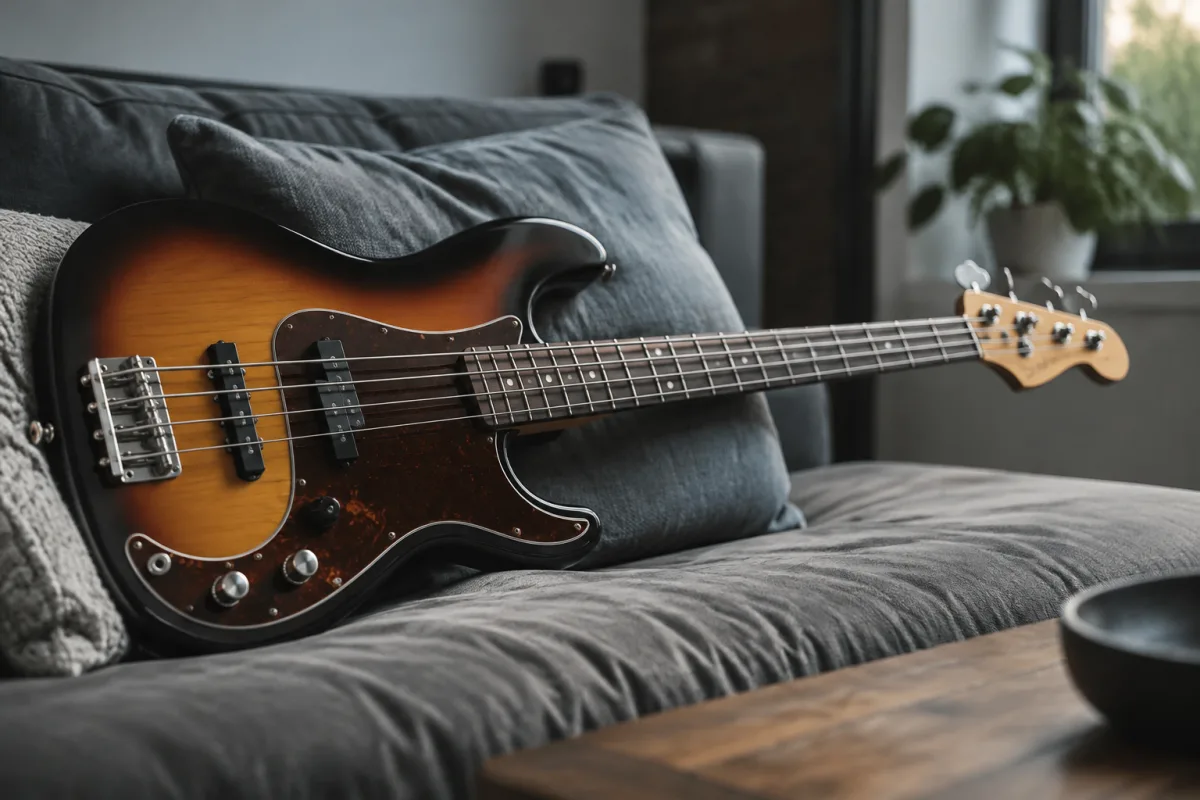
Electric Bass Fender: Legend, Specifications and Choosing One
Fender electric basses are iconic instruments that have defined the sound of modern music. Since the 1950s introduction of the Precision Bass, Fender has set the standard for electric bass tone, playability and reliability. Whether you are a beginner learning bass, a touring musician or a studio professional, a Fender electric bass offers quality and versatility across all price points.
Fender Bass Heritage
Leo Fender revolutionised bass playing in 1951 with the Precision Bass — the first mass-produced electric bass guitar. The Precision (P-Bass) defined the fat, solid tone that became synonymous with rock, funk, country and soul music. In 1960, Fender introduced the Jazz Bass (J-Bass), a slimmer instrument with dual pickups offering more tonal versatility. These two models remain the foundation of Fender's bass line and influence countless copies and modern designs.
Fender electric basses are built in the USA (premium models), Mexico (mid-range) and Asia (budget). Quality control is consistent across all production lines, making a Fender bass at any price point a reliable, usable instrument.
Fender Bass Models
Precision Bass (P-Bass)
The definitive fat bass tone comes from a single split-humbucker pickup delivering focused, punchy low-end. The Precision neck is typically robust; the body is solid ash or alder. Cost: £400–600 (Mexico-made Fender) to £1200–1800 (USA American Professional). Ideal for players seeking the classic Fender bass voice in rock, funk and soul contexts.
Jazz Bass (J-Bass)
Two single-coil pickups offer tonal versatility; the bridge pickup is bright, the neck pickup is warm. The J-Bass neck is slimmer than a P-Bass, appealing to players with smaller hands or those transitioning from guitar. Cost: £400–600 (Mexico) to £1200–1800 (USA). Favoured by jazz, fusion and alternative players for tonal flexibility.
Mustang Bass
A shorter-scale bass (30") with a body shape reminiscent of a Mustang guitar. Mustang basses are lightweight and comfortable, ideal for players uncomfortable with full 34-inch scale length. Tone is bright and present. Cost: £400–700. Popular with punk, indie and alternative bassists.
Dimension Bass
A modern Fender design combining P and J pickup configuration with sophisticated electronics. The Dimension offers tonal range rivalling much more expensive basses. Cost: £600–1000. Underrated; excellent value for the versatility.
Fender Bass Specifications and Features
| Feature | Precision Bass (P) | Jazz Bass (J) | Mustang Bass | Dimension Bass |
|---|---|---|---|---|
| Scale Length | 34" (full scale) | 34" (full scale) | 30" (short scale) | 34" (full scale) |
| Body Material | Ash or alder | Ash or alder | Hardwood | Alder |
| Pickup Config | Single split-humbucker | Dual single-coils | P-style or J-style | P + J pickups (hybrid) |
| Tone Character | Punchy, focused, fat | Versatile, bright-warm range | Bright, present, articulate | Balanced, flexible |
| Typical Use | Rock, funk, soul, country | Jazz, fusion, alternative | Indie, punk, alternative | Recording, versatile gigging |
New vs Used Fender Basses
New Fender basses come with warranty and current specifications. Mexico-made models (£400–600) offer excellent value; USA-made models (£1200–2000+) command premium pricing justified by tighter tolerances and hand-finishing. Used Fender basses are exceptional value: a 1980s Fender Precision (£200–400 used) often outplays new budget instruments and appreciates rather than depreciates. Vintage Fenders from the 1960s–1970s are collector's items, frequently £2000–5000+.
Fender Bass Setup and Playability
A Fender bass out of the box is typically well-set-up, though a professional setup (£50–100) optimises action and intonation. The Fender neck profile is chunky compared to modern slim necks; some players love it for confidence, others find it fatiguing. Try before buying if possible. The medium jumbo frets on most Fenders are ideal for both legato and percussive playing.
Tone and Musical Application
P-Bass tone is the archetypal "bass guitar" sound: fat, punchy and present. J-Bass tone is more nuanced, with bright bridge pickup ideal for slap and fingerstyle lead work, and warm neck pickup for depth. Both are utterly professional and suitable for any genre; the choice depends on your preferred tonal character and musical style. Listen to recordings by artists in your desired genre and emulate their instrument choice as a starting point.
Common Fender Bass Mistakes
- Buying on price alone: A £200 cheap "Fender-style" clone plays and sounds inferior to a genuine Fender or proper bass made by another brand. Genuine Fenders start £400+; invest properly.
- Ignoring scale length: 34-inch scale is standard; 30-inch Mustang is shorter. Smaller hands suit shorter scales, but they limit string tension and tone. Try before committing.
- Underestimating neck feel: Fender necks are chunky compared to modern designs. If you have small hands or transition from guitar, play the specific model before purchasing.
- Skipping setup: A £50 professional setup transforms playability. Never accept a bass that hasn't been properly optimised.
Verdict
A Fender electric bass is a sound investment and a professional-grade instrument. The Precision Bass remains the gold standard for classic bass tone; the Jazz Bass offers tonal versatility. Whether you choose a Mexico-made entry model (£400–600) or a USA-made professional instrument (£1200–2000+), a genuine Fender electric bass will serve faithfully for decades. Combine with a quality amplifier and proper technique, and you have everything needed to create powerful, musical bass lines.


Comments