


Blues Junior Fender Buying guide
Blues Junior Fender: A Complete Buyer's Guide
A practical guide to purchasing a Fender Blues Junior, covering model versions, tube condition, inspection checklist, pricing, and common issues to avoid.
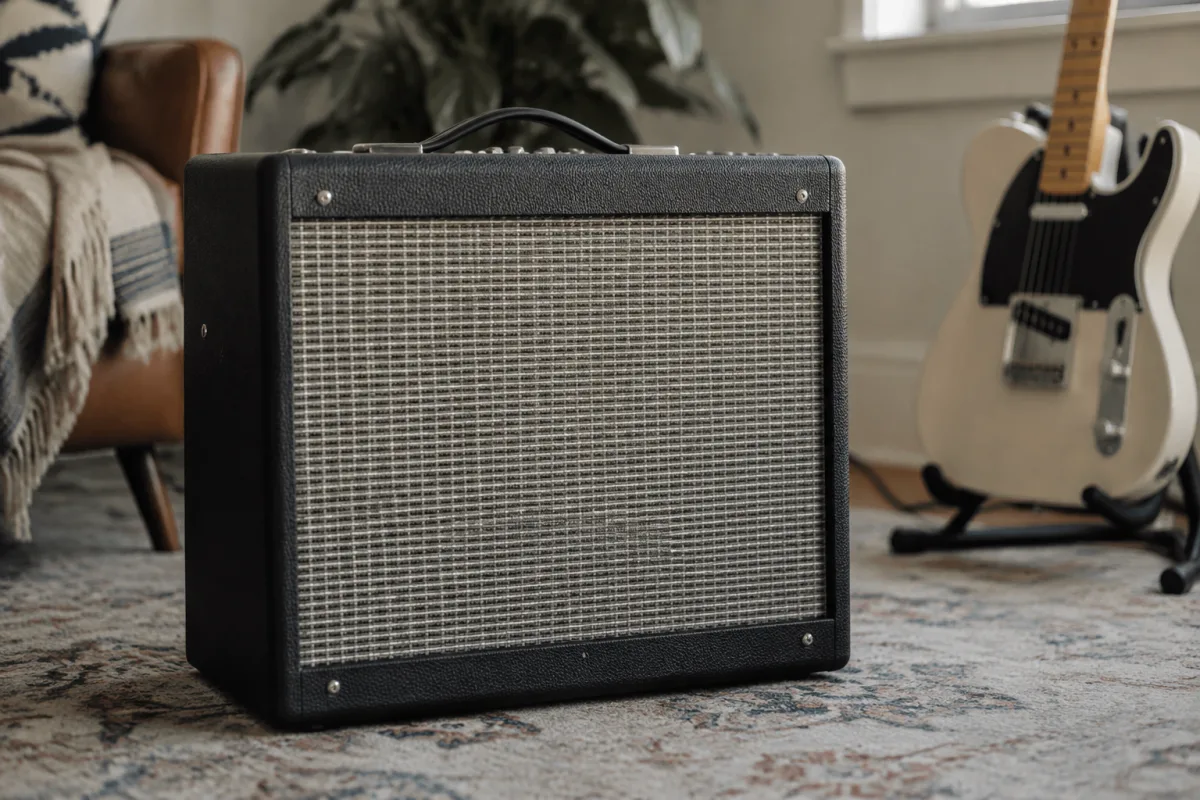
Hunting for a Fender Blues Junior? This buying guide will help you understand what to look for, which version suits your needs, and how to spot potential problems before you commit. Whether you're considering a brand-new Blues Junior or a used vintage model, these practical insights will ensure you get genuine value when purchasing one of the most respected tube amplifiers in its class.
Understanding Blues Junior Versions: Which to Buy
Fender has produced several Blues Junior variants, and version choice significantly affects your purchasing decision:
- Original Blues Junior (1995-2009): The classic model sought after for its authentic tube tone. Prices have risen; used originals cost as much as new models. Great if you find one in good condition, but scarcity means higher prices.
- Blues Junior II (2009-2010): Minor improvements to the original, briefly produced. Relatively uncommon on the secondhand market.
- Blues Junior III (2010-present): Current model with improved circuit design and more stable operation than earlier versions. New Blues Junior III models are readily available and represent fair value for a tube amp.
- Blues Junior Tweed Edition: Limited cosmetic variant with vintage aesthetics. No sonic difference from standard versions; cosmetics alone justify the premium only if vintage appearance matters to you.
When buying a Blues Junior, the III is the safest choice. It's the most readily available, newest technology, and newer tube inventory means fewer near-term maintenance costs. Vintage originals command collector premiums that don't reflect their actual tonal superiority.
Tube Considerations: The Heart of Your Blues Junior
A Blues Junior is a tube amplifier, meaning the tone comes from vacuum tubes. When evaluating which Blues Junior to buy:
- Power tubes: Blues Junior uses either 6L6 or EL84 power tubes depending on the model. These tubes last 1000-2000 hours. A used amp with original tubes aged since 1995 will need replacement soon (expensive, £50-100 per set).
- Preamp tubes: 12AX7 tubes are harder-wearing but also part of the tube aging story. Check if the seller mentions tube age or replacement history.
- Tube condition assessment: A new or recently retubed Blues Junior is worth a premium over one with aged tubes, even if current tone seems acceptable.
When buying a used Blues Junior, factor in tube replacement cost (£100-150 minimum) if tubes appear original or aged. This cost justifies choosing a newer model with fresh tubes.
What to Check Before Buying a Blues Junior
A proper inspection before purchase saves thousands in repair costs:
- Power on test: Does it power on cleanly? Slow warm-up, crackling, or no response suggests transformer or tube problems.
- Sound test: Play through the amp with your guitar. Does tone seem balanced across the volume range? Distorted or cut-out signals indicate component failure.
- Speaker condition: The Blues Junior uses a ceramic speaker. Check for cone damage, rips, or unusual sound from the speaker itself.
- Output transformer: These expensive components fail under stress. Ask if the amp has ever been serviced. Output transformer replacement can cost £200-400.
- Cosmetic condition: Tolex (the covering) cracks and peels. Minor wear is acceptable; extensive damage suggests rough handling.
- Weight and movement: Heavy components should not move or rattle inside when you gently shake the amp.
A professional technician inspection (£50-100) is worthwhile for used Blues Junior purchases. It catches hidden problems that affect long-term reliability.
Price Expectations: New vs. Used Blues Junior
New Blues Junior III:
- Current retail price around £500-700
- Includes warranty (typically 3 years)
- Fresh tubes, no hidden maintenance
- Predictable long-term costs
Vintage Blues Junior (original, 1995-2009):
- Used market prices £400-700 (or more for collectible examples)
- No warranty, tubes likely aged
- Potential hidden repair needs
- Tonal reputation commands premium pricing
Blues Junior II (rare):
- Limited supply drives prices £500-800 for good examples
- Collector interest supports higher prices
- Marginal tonal difference from original or III
For value, new Blues Junior III is hard to beat. Vintage models rely on collector cachet rather than objective tonal superiority over newer versions.
Modifications: A Double-Edged Sword
Many used Blues Junior amplifiers have been modified by previous owners—upgraded tubes, modified circuits, or speaker swaps. When buying a modified Blues Junior:
- Beneficial mods: Output transformer upgrade, cap job (power supply refresh) improve reliability. These add value.
- Risky mods: Circuit modifications, tube bias changes, or non-standard speaker installations may compromise the classic Blues Junior tone or reliability.
- Unknown mods: If you're unsure what was modified or why, have a technician verify it's safe and sensible.
Stock Blues Junior amplifiers typically hold value better than heavily modified ones. Unless modifications are clearly documented and professionally executed, prefer an unmodified example.
Common Issues to Avoid When Buying
Watch for these red flags when purchasing a Blues Junior:
- Intermittent signal dropout: Suggests failing coupling capacitors or tube socket issues. Expensive fix.
- Excessive hum or buzz: Normal tube amps have slight hum; excessive noise suggests power supply problems.
- Tubes glowing red (anodic glow): Indicates high bias condition, potential output transformer failure risk. Avoid unless price reflects repair need.
- Cracked speaker cone: Speaker replacement costs £50-150, adding to your purchase cost.
- Tolex completely failing: Retolex restoration costs £200-400.
- No documentation or service history: Without records, you're buying blind.
Who Should Buy a Fender Blues Junior?
The Blues Junior excels for blues, classic rock, and fat overdriven tones at moderate volumes. It's terrible for metal (not enough gain), unsuitable for quiet bedroom practice (tube amps can't play silently at bedroom volume without compromise), and poorly matched to home hi-fi duty (guitar amp tone doesn't integrate with music systems cleanly).
If your musical style matches the Blues Junior's strengths, it's an excellent choice. If you're considering it for a style outside its wheelhouse, explore alternatives first.
Making Your Blues Junior Purchase
Before committing, clarify:
- What version am I considering (original, II, III)?
- Is this new or used? If used, what's the documented history?
- Have I tested the amp myself or seen a professional inspection report?
- What's the tube condition, and when will replacement be necessary?
- Are there modifications? If so, are they documented and professional?
- Does the price reflect the amp's true condition and market value?
- Does this amp match my musical needs?
A Blues Junior is a long-term investment. Taking time to evaluate condition, version, and fit ensures you'll enjoy playing through it for decades.
For deeper exploration of Blues Junior tone, maintenance, and performance across musical genres, see our ultimate guide to Fender Blues Junior, which covers operation, tube care, troubleshooting, and tonal applications in detail.


Comments