


Neck Fender Telecaster Buying guide
Neck Fender Telecaster: A Complete Buyer's Guide
Purchasing a Fender Telecaster neck requires understanding compatibility, profiles, and specifications. This buying guide covers what matters when choosing between factory, premium, and aftermarket necks.
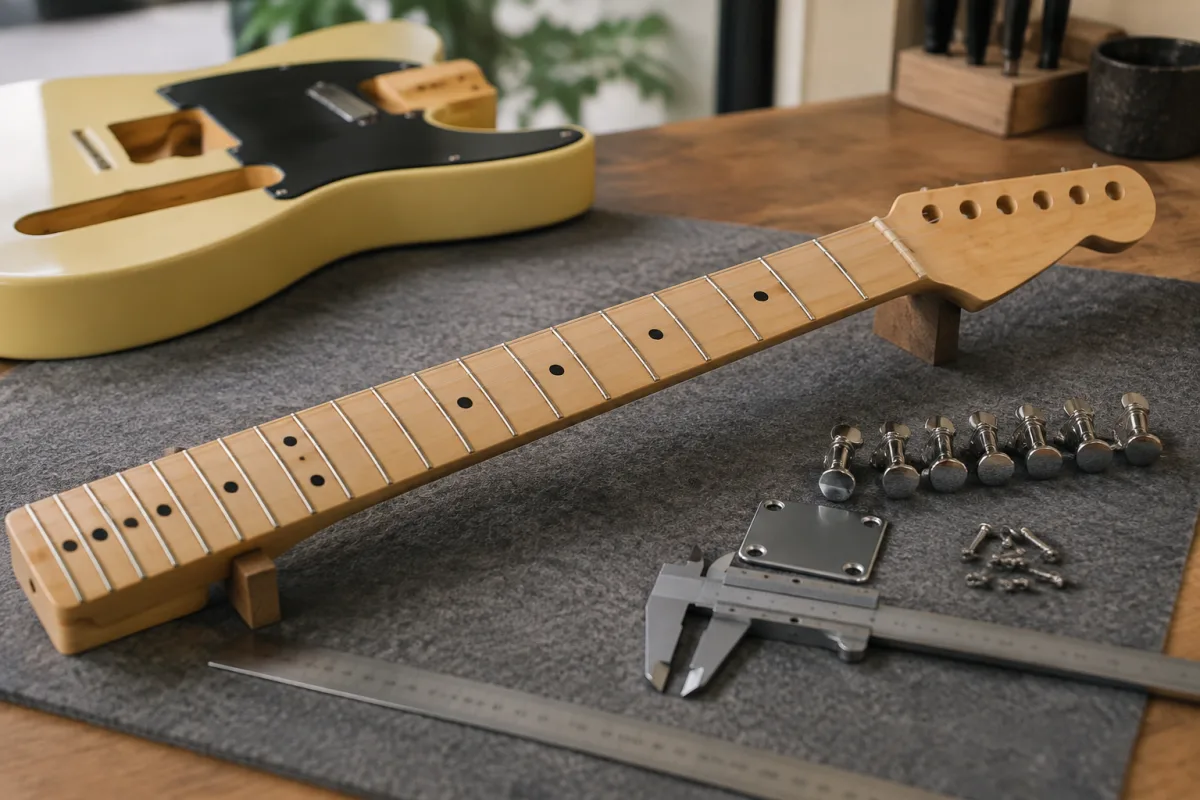
Buying a Fender Telecaster neck is a practical investment for guitar enthusiasts wanting to customise, repair, or upgrade their instrument. Whether you're replacing a damaged neck or experimenting with different playing feel, understanding specifications and compatibility ensures your purchase matches your needs and budget. This buying guide walks you through the critical factors that determine whether a particular neck is right for your Telecaster.
Understanding Fender Telecaster Neck Types
Fender produces Telecaster necks across several quality tiers, each with distinct characteristics. Standard Fender factory necks are reliable workhorses used on production models, offering consistent quality and excellent value. Premium Fender necks feature higher-grade wood, more exacting workmanship, and often improved playability. Aftermarket manufacturer necks like Warmoth or Mighty Mite offer customisation options and competitive pricing. Vintage Fender necks command premium prices due to rarity and historical value. Understanding these categories helps you evaluate whether a particular neck's price reflects actual value or merely brand prestige. For most buyers, newer Fender factory necks balance cost and quality effectively.
Checking Neck Pocket Compatibility
The single most critical compatibility factor is whether the neck pocket on your Telecaster body matches the neck's heel. Fender Telecaster necks come with either a modern 1 11/16-inch or vintage 1 5/8-inch width, and the pocket depth varies between models. Before purchasing any neck, measure your existing neck pocket dimensions and verify the replacement neck matches. A common purchasing mistake is assuming all Telecaster necks fit all Telecaster bodies—they don't. If buying online, confirm the seller specifies your body type compatibility. Taking five minutes to verify measurements prevents the frustration of receiving a neck that won't fit your instrument.
Fretboard Material and Playability
Fender Telecaster necks typically feature rosewood, maple, or composite fretboards, each offering different aesthetic and tactile experiences. Rosewood fretboards are warm, traditional, and require occasional maintenance to prevent drying. Maple fretboards are bright, durable, and require more frequent care to maintain appearance. Composite fretboards offer durability with minimal maintenance but lack the character of traditional wood. Your choice should reflect your maintenance commitment and tonal preference—the fretboard doesn't significantly affect amplified tone, but it absolutely affects feel and aesthetic appeal. Many experienced players prefer maple for its durability; beginners often prefer rosewood for lower maintenance demands.
Neck Profile and Comfort
The neck profile—its cross-sectional shape—profoundly affects playing comfort and is often overlooked in purchasing decisions. Fender offers several profiles ranging from thin, modern shapes to chunky, vintage profiles. Modern profiles suit players with smaller hands, prefer faster playing, or come from other instruments. Vintage profiles appeal to players wanting classic feel and those with larger hands preferring a more substantial grip. Before purchasing based on profile alone, consider your hand size and playing style. If possible, play different profiles in a shop to understand your preference. Purchasing without considering profile often leads to buyer's remorse when the neck feels uncomfortable despite meeting technical specifications.
Finish Quality and Appearance
Fender Telecaster necks vary significantly in finish quality and aesthetic presentation. Factory finishes are functional, protecting the wood and providing a professional appearance. Premium finishes feature more careful application, better colour consistency, and enhanced durability. Some players prefer reliced finishes, which artificially age the wood for vintage appearance. Others prefer high-gloss finishes for modern aesthetics. When examining finish quality, run your hand along the neck checking for drips, dust inclusions, or uneven coverage. Poor finish application doesn't affect playability but signals quality control issues that may extend to structural integrity. A well-finished neck suggests meticulous craftsmanship throughout.
Price Tiers and Value Assessment
Fender Telecaster necks range from budget aftermarket options around £100–200 to premium Fender necks exceeding £600. Entry-level necks suit budget builds or experimentation; they're adequate for learning but may have minor quality inconsistencies. Mid-range necks represent the sweet spot for most players—typically £300–400—offering solid playability and reliable quality. Premium Fender necks command higher prices justified by superior wood selection, finish quality, and precise fret work. Don't assume the most expensive option is best for your needs. A £350 neck often delivers more value than a £600 option unless specific features justify the premium. Evaluate your actual playing needs rather than budget alone.
Nut Quality and Replacement Considerations
Most Fender Telecaster necks come with either bone, synthetic, or plastic nuts. Bone nuts offer superior tone and durability but cost more. Synthetic nuts provide good value and consistent quality. Plastic nuts are budget-friendly but wear faster and don't transmit vibration as effectively as bone. Examine the nut closely during purchasing; chips, cracks, or poor fit indicate quality issues. If buying an aftermarket neck with an undesirable nut, factor in £50–100 replacement cost when budgeting. Many buyers upgrade to bone nuts after purchase; this is normal and needn't influence your initial purchase decision.
Truss Rod Access and Adjustment
Your Telecaster neck's truss rod—the internal rod controlling neck relief—requires occasional adjustment. Verify the neck includes access to the truss rod, typically through the headstock or neck pocket. Confirm any documentation clarifies adjustment procedures. Some aftermarket necks reduce truss rod accessibility, creating frustration when adjustments become necessary. A properly accessible truss rod is essential infrastructure, not optional. Before purchasing, verify the seller provides clear information about truss rod access and any adjustment requirements.
Hardware Requirements and Fitment
Your new Telecaster neck will require mounting hardware—typically tuning machines, strap button, and neck pocket bolts. Verify these components are included or account for them in your total budget. Reusing your existing hardware often works, but compatibility issues occasionally arise with vintage versus modern specifications. If unsure, contact the neck manufacturer for explicit compatibility confirmation. Purchasing a neck without confirming hardware compatibility risks receiving a complete package that requires unexpected additional purchases.
Return Policies and Quality Assurance
Before finalising your purchase, understand the seller's return policy and quality guarantees. Reputable retailers offer returns if necks arrive damaged or don't fit. Buying from established manufacturers like Fender or respected aftermarket builders provides recourse if issues arise. Private sellers or unfamiliar retailers offer fewer protections. When purchasing online, insist on detailed photographs from multiple angles, confirmation of specifications, and clarity about return procedures. This diligence prevents expensive mistakes.
For comprehensive information about Fender Telecaster necks and technical specifications, explore the complete guide to neck Fender Telecaster, which covers detailed specifications and expert recommendations.


Comments