


Fender Telecaster Modern Buying guide
Fender Telecaster Modern: A Complete Buyer's Guide
Smart buyer's guide for Fender Telecaster Modern guitars. Learn what makes Modern different, compare models, inspect for quality, and buy with confidence.
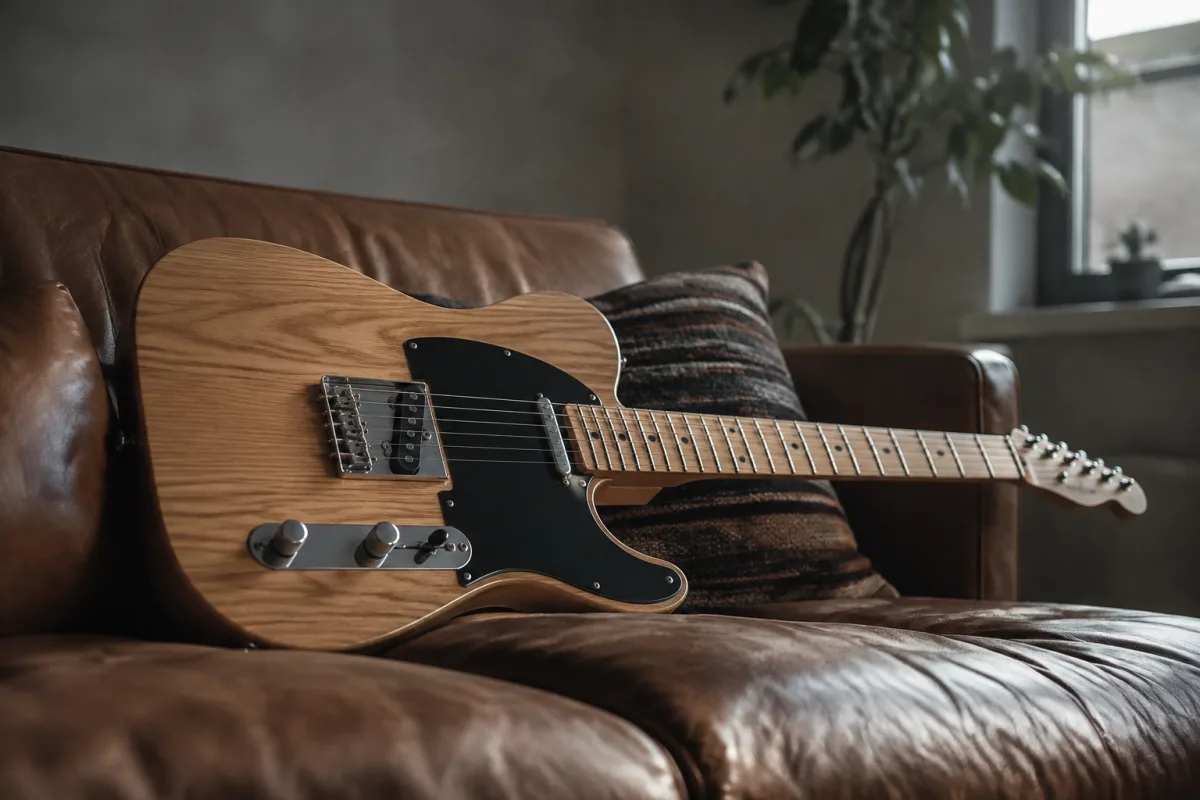
The Fender Telecaster is iconic. It's been around since 1950, and its design has proven timeless. But Fender didn't just rest on heritage—they evolved. The Fender Telecaster Modern brings contemporary features to the classic silhouette. If you're considering buying one, you need to understand how modern specs differ from vintage interpretations, what makes these guitars different from each other, and how to evaluate whether a specific example is worth your money. This guide gives you exactly that knowledge.
What "Modern" Actually Means on a Fender Telecaster
The Fender Telecaster Modern isn't a reinvention; it's an evolution. Fender took the classic Telecaster formula—single-cutaway slab body, two single-coil pickups, simple controls—and updated it for contemporary playing. Modern features include:
Improved electronics: Better bridge pickup design, improved wiring schemes, and more refined tone compared to vintage interpretations. Modern Telecasters capture vintage Telecaster character while offering cleaner, clearer output.
Better hardware: Modern tuning machines, bridges, and pickups use contemporary manufacturing. This translates to improved tuning stability, intonation accuracy, and consistent quality.
Refined ergonomics: Modern Telecasters comfort you during extended playing sessions. Slightly revised body contours, better-shaped necks, and improved action setup right from the factory.
Finishing: Contemporary finish systems mean durability comparable to expensive vintage reissues, but with more available colour options and finishes.
The result? A Telecaster that captures the fundamental Telecaster tone and character but plays, stays in tune, and responds like an instrument made in the 21st century. That's the appeal: heritage plus reliability.
Understanding the Modern Telecaster Lineup
Fender makes several Modern Telecaster variants, and confusion here costs buyers money:
- Player Telecaster: Entry-level modern spec. MDF body, quality pickups, nice finishes. Approximately £600-£750. Excellent value for the money.
- Performer Telecaster: Mid-range option. Alder body, slightly upgraded electronics, more refined setup. Around £800-£1,000. Better playability than Player.
- Professional Telecaster: High-end modern spec. Premium woods, professional-grade pickups, meticulous setup. £1,200-£1,600. Professional-quality instrument.
- American Ultra Telecaster: Flagship modern. Contoured body, innovative electronics, premium appointments. £1,800-£2,400. Instrument-of-a-lifetime quality.
- Squier Telecaster (by Fender): Budget option. Indonesian production, simplified specs. £250-£400. Genuine Fender-owned brand, surprisingly playable.
Detailed comparisons and feature breakdowns are available in our complete guide to Fender Telecaster Modern.
Critical Specs to Evaluate
When examining a Modern Telecaster, focus on these specifications:
Body wood: Alder is traditional and resonant. Ash is bright and articulate. Maple is dense and focuses tone. Each imparts subtle character. Your music style should guide this choice.
Neck construction: One-piece maple is vintage traditional; bolt-on with separate headstock is modern standard. Both play well. Neck thickness (C-profile vs modern) affects hand comfort—try both if possible.
Pickup configuration: All Modern Telecasters have two single-coils. The difference is coil design and output. Standard pickups (7k-8k ohms) suit most styles. Hot pickups (9k+) suit rock and metal.
Bridge type: Modern Telecasters use three-saddle or six-saddle bridges. Three-saddle is traditional, offering twang and simplicity. Six-saddle allows individual string intonation adjustment—superior for perfect intonation setup.
Electronics: Push-pull tone controls on some models allow humbucking mode (combining pickups). This versatility suits players wanting tonal range.
Price Tiers and What They Indicate
- Under £400: Squier line. Budget option with genuine Fender backing. Playable and fun, though simplified appointments and standard electronics.
- £400-£750: Player series. Real Fender quality at accessible pricing. Excellent value. Most buyers should look here.
- £750-£1,200: Performer and lower Professional tier. Noticeably better feel, electronics, and finishing. Suits serious players.
- £1,200-£1,600: Upper Professional range. Premium materials and meticulous setup. Professional touring quality.
- Above £1,600: Ultra and Custom Shop territory. Investment instruments with bespoke appointments and proven longevity.
New vs. Used: Making the Smart Choice
A new Player Telecaster costs roughly £650. A used Professional Telecaster from five years ago costs similar money. The choice isn't obvious and depends on your priorities.
Choose new if: You want a full warranty, guaranteed setup, and peace of mind. New guitars are set up by Fender and are usually ready to play immediately.
Choose used if: You're buying from a reputable seller with clear history. Used guitars from conscious owners who've maintained them often play better than new examples because years of playing have broken them in. Many vintage Telecasters sound better than modern ones—age isn't a defect.
Avoid: Used guitars from unknown sellers, particularly those with missing paperwork or unclear service history. Fender guitars age beautifully, but hidden cracks or hardware damage can be expensive surprises.
What to Inspect When Evaluating a Telecaster
- Neck straightness: Sight along the fretboard under good light. Even slight warping affects playability dramatically. Minor relief is acceptable; bows are red flags.
- Frets: Play up and down each string checking for dead zones, buzzes, or inconsistent tone. Fresh frets should be smooth and level. Worn frets aren't necessarily bad—they're vintage character.
- Hardware corrosion: Look at tuning machines, bridge, and strap buttons. Greenish oxidation on chrome suggests exposure to moisture. This is cosmetic but indicates storage neglect.
- Electronics noise: Plug into an amp (ask the seller for one) and test all pickup combinations. Listen for crackling, intermittent cutting, or hum. Microphone hum when touching strings is normal; crackling noise is not.
- Paint damage: Examine finish under bright light. Deep scratches to bare wood might indicate water ingress. Minor dings are character; deep gouges suggest rough history.
- Body cracks: Run your fingers along the body seams. Feel for stress fractures, especially around the neck joint. Cracks require professional repair and affect resale value.
Common Mistakes in Modern Telecaster Purchases
Avoid these costly errors:
- Confusing Squier with American Fender: Squier makes decent guitars but different quality standards. Clearly verify which Fender line you're buying. Squier ≠ Fender, though Fender owns Squier.
- Paying too much for cosmetics: A beat-up Telecaster that plays perfectly is better than a pristine example with electronics issues. Function over appearance.
- Ignoring playability at purchase: Always play any guitar before buying. If the seller won't let you play it, walk away. Feel reveals truths that photographs hide.
- Buying neck and body separately: Mismatched parts can work but introduce tonal inconsistency. Professional Telecaster builds require matching spec.
- Underestimating setup costs: A fresh setup (fret work, intonation, action) costs £100-£200 but transforms a mediocre guitar into a joy to play. Factor this in when making offers on used guitars.
Understanding the Tone Difference
Modern Telecasters don't sound identical to 1950s originals. They're clearer, punchier, and more consistent. This isn't worse—it's different. Modern tones suit rock, country, indie, and experimental music beautifully. If you want pure vintage character, older Telecasters in good condition might serve you better despite modern examples being superior as playable instruments.
Making Your Purchase
Walk into a shop and play ten different Telecasters. Notice the differences in tone, neck feel, and overall vibe. One will speak to you. That's the one you want, regardless of spec sheet. Telecasters are fundamentally similar—the difference is in how each individual guitar resonates with your hands and ears.
Budget consciously. A £600 Player Telecaster plays magnificently. Spending £1,200 won't improve your actual music—your technique matters infinitely more. Buy within your budget, know it plays well, and commit to the instrument.
Your Fender Telecaster Modern
A modern Telecaster is a bridge between heritage and contemporary. It carries 70+ years of design legacy while offering genuine 21st-century reliability and refinement. Choose thoughtfully, inspect carefully, and you'll own an instrument that sounds brilliant, plays reliably, and might well outlive you.
The Telecaster's genius is simplicity. Modern versions maintain that simplicity while ditching the quirks that made vintage Telecasters finicky. That's the actual win.



Comments