


Fender Telecaster Modern Player article
Fender Telecaster Modern Player for Beginners: A Complete Guide
The Fender Telecaster Modern Player is an affordable, beginner-friendly electric guitar. This guide covers setup, playing, tone shaping, and common mistakes.
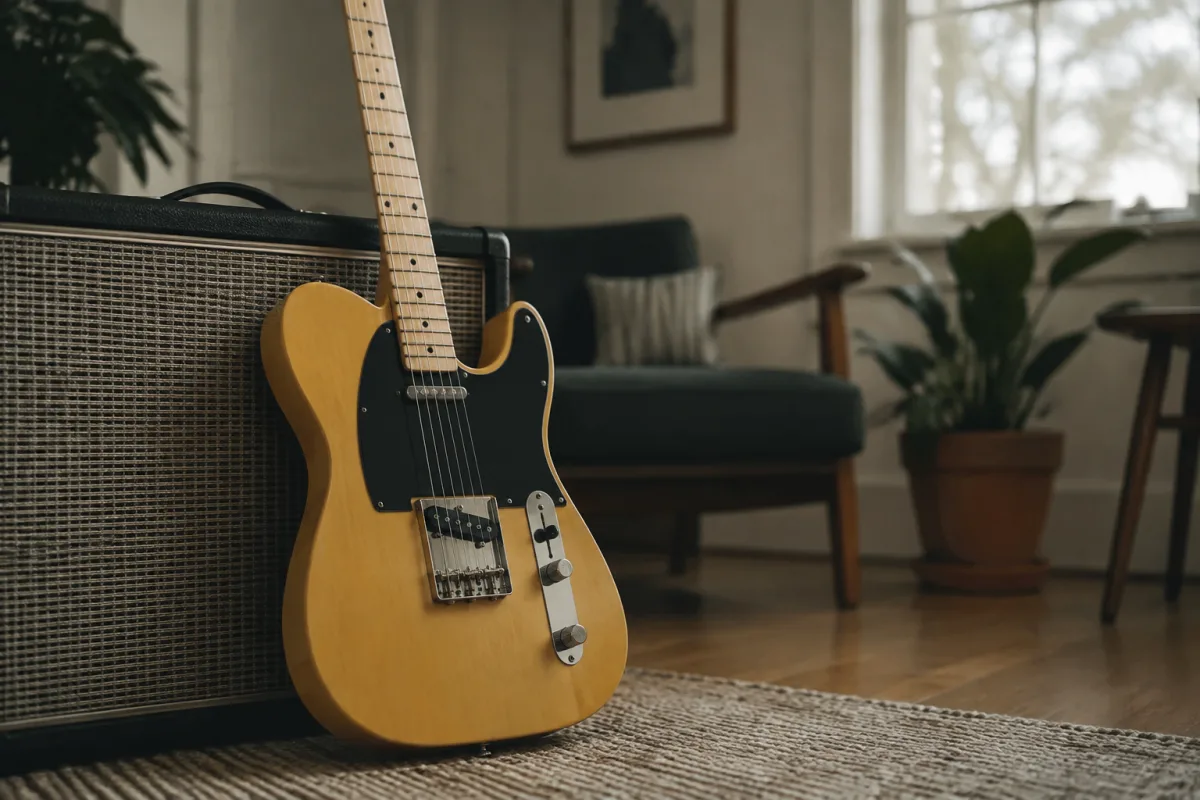
The Fender Telecaster Modern Player is an excellent entry point into electric guitar playing. It combines iconic Telecaster tone and simplicity with modern improvements for beginners — a lightweight body, comfortable neck, and reliable hardware that won't frustrate you while you learn. This guide walks you through everything you need to know to get playing quickly.
Why This Guitar for Beginners?
The Modern Player strips away unnecessary complexity whilst keeping the classic Telecaster character. Unlike budget guitars that feel cheap or require constant repair, this model sits at the sweet spot: affordable for uncertain beginners, yet built solidly so you won't outgrow it within a year. The neck is comfortable, the body weighs less than traditional versions, and the electronics are straightforward — no confusing switches or mysterious controls.
The Telecaster design itself is beginner-friendly. With fewer controls than a Stratocaster and a single-cutaway body (unlike Jazzmasters or Jaguars), you have the essentials: volume and tone, two pickups, a pickup selector, and that's it. This simplicity means you focus on playing, not deciphering controls. And the bright, cutting tone is motivating for new players — you sound good quickly, building confidence fast.
First Contact: Holding and Playing
When you first pick up this guitar, you'll notice how light it feels. The slab-style body (that flat, utilitarian shape) is ergonomic — it doesn't dig into your ribs when sitting, and it's easy to manoeuvre standing up. If you're coming from an acoustic (which is heavier), this will feel like a relief.
The neck is slender and comfortable. Fender's neck dimensions are industry-standard, so if you like how this feels, you'll like most Telecasters too. The frets are well-spaced, and the action (the height of the strings above the fretboard) comes reasonably set from the factory, meaning you can play without professional setup — though a quick check is worthwhile.
Pickups and Tone: The Heart of the Instrument
This model uses standard single-coil pickups — a neck pickup and a bridge pickup. This is the classic configuration, and it defines the character: bright, cutting, with a slight "twang" that works beautifully in rock, country, blues, and folk.
The pickup selector switch lets you toggle between neck, bridge, or both simultaneously. When both engage (middle position), you get a blended tone that's punchy and full — many players find this the most versatile position. The neck pickup alone sounds warm and smooth; the bridge is sharp and articulate. Experiment with each position as you play to understand how they colour tone.
Unlike more complex guitars with coil-splitting or exotic wiring, the Modern Player keeps it simple. There's a volume knob and a tone knob. Turn the volume up; turn the tone down if the pickups sound too bright (they usually do initially). That's it. No need to master five-way switches or understand active electronics.
Tuning, Maintenance, and First Setup
The Modern Player uses a standard Fender headstock and six tuning pegs — one per string. Tuning is straightforward: turn each peg until the string pitch matches the target note (using a tuner). Do this every time you pick up the guitar; strings drift out of tune naturally.
Keep the fretboard clean with a soft cloth. If it looks dusty or dull, a luthier can polish it, but basic cleaning is free and takes a minute. The tuning machines are solid, so they rarely need adjustment. If you notice string buzz (a rattling sound when played) or the action feels uncomfortably high, have a professional luthier set it up — it's £50–100 well spent and will transform how the guitar plays.
Amplification: What You'll Need
A Fender Telecaster Modern Player, like all electric guitars, needs amplification. For beginners, a small combo amp (15–30 watts) in your home works fine. Look for a solid-state amp with basic controls: volume, tone, and ideally an overdrive or distortion channel for variation. Brands like Fender, Marshall, Boss, and Roland make beginner-friendly combos at reasonable prices (£100–300).
Avoid practice amps smaller than 10 watts — they'll sound thin and frustrating. Avoid 100-watt amp heads (designed for stages and studios, not home playing). The sweet spot is a modest 15–20-watt combo amp that sounds good at bedroom volumes and gives you enough headroom to explore different tones.
Common Beginner Mistakes to Avoid
Don't neglect the strap lock. A Fender Telecaster Modern Player will slip off a loose strap — and guitars are expensive to replace. Invest in quality strap locks (little devices that keep the strap firmly attached to the strap buttons) for about £10. Use them every time you stand up to play.
Don't assume the factory setup is perfect for your hands. Neck profiles vary slightly, and what feels perfect for one player might feel uncomfortable for another. If the guitar doesn't feel right after a week, ask a luthier to evaluate it. A small adjustment — raising the nut slightly, adjusting truss rod relief, or shimming the bridge — can transform comfort entirely.
Don't over-tighten the tuning pegs. They turn smoothly; you don't need to crank them hard. Gentle, deliberate turns are safer and prevent damage to the peghead.
And finally: don't fall into the "gear obsession" trap. A Fender Telecaster Modern Player is a complete instrument. Many beginners get tempted to buy expensive pedals, boutique pickups, or upgrades within weeks. Stick with the stock setup for at least a year. Once you understand your own playing preferences and technique, then consider modifications.
Tone Shaping: EQ, Distortion, and Effects
The guitar's tone knob is your first tool for shaping sound. Rolling it back from fully open gradually removes high frequencies, warming the tone. This is useful when the Telecaster feels too bright — a common initial impression. Don't be afraid to turn the tone down; you're learning what suits your ear.
Your amplifier's tone controls (usually bass, middle, treble) give you a second layer of shaping. A standard starting point: bass at 6, mids at 5, treble at 5. From there, experiment. This teaches you how frequency shaping works across the signal chain.
Pedals and effects are optional. A basic overdrive pedal can add warmth and sustain; reverb or delay adds space and dimension. But these are *enhancements*, not essentials. The Modern Player plugged straight into a clean amp already sounds professional.
Building Your First Playing Style
The Fender Telecaster Modern Player is associated with country, rock, and blues playing. But it's genuinely versatile — indie, folk, alternative, and even some jazz players use Telecasters. Spend time listening to Telecaster recordings in genres you love, then try mimicking the tone through your amp's controls.
Early on, keep the amp clean (low distortion) and focus on pick attack, timing, and rhythm. The Telecaster rewards consistent, intentional playing — sloppiness is audible, which is actually good for learning. You'll hear yourself improve faster than on a thicker, more forgiving tone.
Moving Forward
After six months of regular playing, you'll have a clear sense of what you like about this instrument and what you might change. Some beginners discover they prefer a thicker neck or want more versatility (considering a Stratocaster). Others fall in love with the Telecaster design and stay loyal. That's exactly when you make informed decisions about gear — after experience, not before.
Cross-link: For a deeper technical dive into specifications, features, and comparison to other models, read our complete guide to the Fender Telecaster Modern Player.
Your First Electric Guitar
This guitar is built for players just starting out. It's forgiving without being cheap, simple without being limiting. Pick one up, get an amp, tune it properly, and start playing. Within weeks, you'll have songs under your belt. Within months, you'll understand why this design has been in production for nearly seventy years. That's the mark of a truly beginner-friendly instrument.


Comments