
Squier Fender Stratocaster article
The Complete Guide to Squier Fender Stratocaster
The Squier Fender Stratocaster brings the iconic Stratocaster design within reach of every budget. Discover what you get, how it sounds, and whether it's right for you.
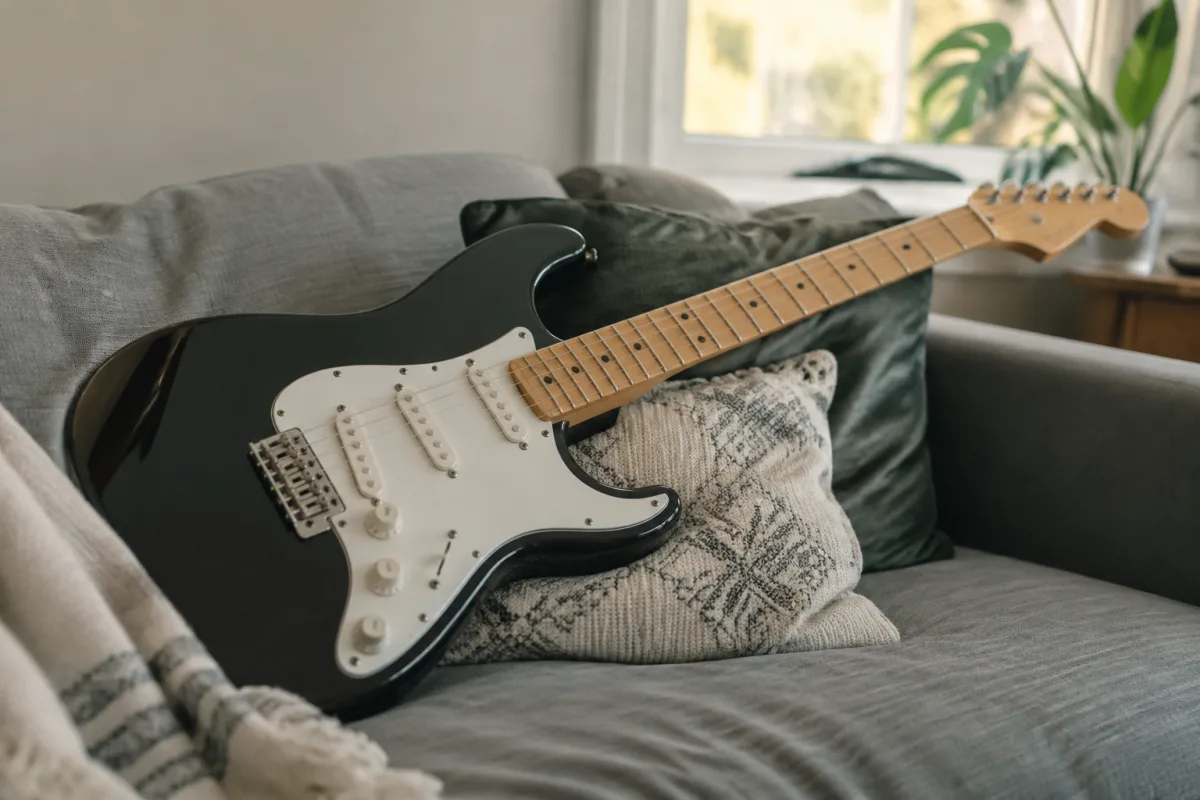
When most guitar players talk about learning on a Stratocaster, they're probably talking about a Squier. The Fender Stratocaster is iconic—arguably the most recognisable guitar shape ever made—but the original Fender models cost £800–1,500 new. A Squier Stratocaster offers that same silhouette for under £200, making it genuinely accessible to beginners and casual players. But is a Squier Stratocaster a legitimate instrument, or just a cheap imitation? The honest answer is far more interesting than either extreme.
Understanding Squier: The Fender Connection
Squier isn't some random budget brand tacked onto Fender's legacy—it's Fender's official entry-level division, owned and managed by Fender Corporation. Squier Stratocasters are manufactured under Fender supervision using the same design principles and quality control that govern the parent brand. That matters. A Squier Stratocaster isn't a knockoff; it's a legitimately authorised, officially endorsed cheaper version.
Fender established Squier in the 1960s to capture the affordable market whilst protecting the premium Fender brand. Since then, Squier has evolved. Modern Squier Stratocasters share the core DNA with American Fender models but use different materials and manufacturing processes to hit the price point. The result is an instrument that sounds recognisably like a Stratocaster but with a few compromises compared to its more expensive cousins.
What You Get With a Squier Stratocaster
A Squier Stratocaster has the iconic double-cutaway body shape, three single-coil pickups, a five-way pickup selector, and a tremolo system. These specifications make a Squier Stratocaster versatile across genres—rock, blues, pop, country, and more. The three-pickup configuration on a Squier Stratocaster gives you tonal range that single-pickup designs simply can't match.
The body of a Squier Stratocaster is solid wood, usually poplar or hardwood plywood, finished in various colours. The neck is typically hardwood, and the fretboard is rosewood or pau ferro—solid materials that perform the job. A Squier Stratocaster's hardware is functional chrome or nickel-plated steel, not premium but adequate. When you hold a Squier Stratocaster, it feels like a real guitar, because it is.
Squier Stratocaster Variations: Which One Should You Buy?
The Squier Classic Vibe Stratocaster aims for vintage authenticity, emulating early Fender Stratocasters from the 1950s and '60s. A Classic Vibe Squier Stratocaster includes better wood and more refined pickups than budget models, making it a meaningful step up in quality and tone. Most players find a Classic Vibe Squier Stratocaster excellent value at £300–400.
The Squier Contemporary Stratocaster targets modern players with rounder body edges, a flatter neck shape, and contemporary electronics. If you're looking for a Squier Stratocaster that feels current rather than retro, the Contemporary series is worth exploring.
Entry-level Squier Stratocasters like the Affinity or Bullet series start under £150. These aren't toy guitars—they're legitimate instruments—but they use cheaper woods, simpler pickups, and more basic hardware. Perfect for absolute beginners or casual players, but players who've used nicer instruments will notice the limitations.
How a Squier Stratocaster Sounds
The Squier Stratocaster's three single-coil pickups deliver a bright, articulate tone. Position one (bridge) is twangy and cutting; position three (neck) is warm and fat; position two is a blend. The Squier Stratocaster's sound isn't identical to a premium Fender—the cheaper pickups have slightly more noise and less output—but it's genuinely recognisable as a Stratocaster. A Squier Stratocaster sounds like what it is: a legitimate Stratocaster at a lower price point.
The tremolo system on a Squier Stratocaster works, though it's simpler than on American Fenders. You can use the Squier Stratocaster's whammy bar for subtle vibrato and dive-bomb effects. Intonation stability is adequate after setup and string changes don't send the Squier Stratocaster completely out of tune. Most gigging musicians find a Squier Stratocaster's tremolo adequate for live use.
Playability and Comfort
The Squier Stratocaster's body contours are genuinely comfortable. Whether sitting or standing, the curve of the Squier Stratocaster's body fits your leg or torso naturally. The neck shape varies by model—some Squier Stratocasters have a slightly thicker neck than American models, which some players prefer. String action on a Squier Stratocaster requires proper setup; out of the box, many Squier models arrive with action a bit high, but a professional setup makes it playable.
The frets on a Squier Stratocaster are adequate but less perfectly levelled than on premium instruments. You might feel slight fret buzz on the lowest strings if action is set very low. Accepting slightly higher action eliminates this completely. Once dialled in, a Squier Stratocaster plays as smoothly as guitars costing three times the price.
Squier Stratocaster vs. Budget Alternatives
Ibanez offers the GRX series as a budget alternative, with a slightly thinner body and a narrower nut—often appealing to players with smaller hands. Yamaha's Pacifica series prioritises modern playability and build quality. Epiphone Les Paul Specials target a different body style entirely. But when you specifically want a Stratocaster design and budget matters, the Squier Stratocaster is the natural choice. It's the affordable Stratocaster, made by the company that invented the Stratocaster.
Can You Gig With a Squier Stratocaster?
Absolutely. Countless professional and semi-professional musicians play Squier instruments live. A Squier Stratocaster, properly set up and maintained, is reliable enough for regular gigging. The tone might not compete with a £1,500 American Fender, but it holds its own in a band mix. Audiences don't hear the brand—they hear what you play. A well-rehearsed performance on a Squier Stratocaster outshines a sloppy one on a vintage Fender every time.
Long-Term Durability and Resale
A Squier Stratocaster will last for years with basic maintenance. Wood is wood, metal is metal, and the engineering is sound. Frets will eventually wear; electronics might eventually fail. But these are solvable problems with a visit to a luthier, and the repair costs are usually proportional to the original price. Resale value is modest—a used Squier Stratocaster typically sells for 50–70% of its original price, depending on condition and model—but that's typical for budget instruments.
Should You Buy a Squier Stratocaster?
If you want to learn Stratocaster fundamentals without spending serious money, a Squier Stratocaster is the obvious choice. If you're upgrading from an acoustic and want to explore electric guitars, a Squier Stratocaster gives you a legitimate instrument and an iconic design. If you're a casual player content with weekend strumming, a Squier Stratocaster is perfectly adequate. If you're a serious player wanting to build a versatile electric rig, start with a mid-range Squier and upgrade when your playing demands something specific.
The Squier Stratocaster remains the most successful budget guitar platform ever created. Millions have learned on it. Countless professionals have played one. That track record speaks for itself. A Squier Stratocaster isn't a compromise—it's a genuine Stratocaster at a price point that makes the dream accessible. In that sense, it's doing exactly what Squier has always done: bringing quality instruments to players who otherwise couldn't afford them.



Comments