
Fender Stratocaster Necks article
The Complete Guide to Fender Stratocaster Necks
Fender Stratocaster necks are fundamental to playability and comfort. Explore profiles, materials, and upgrade options for your perfect fit.
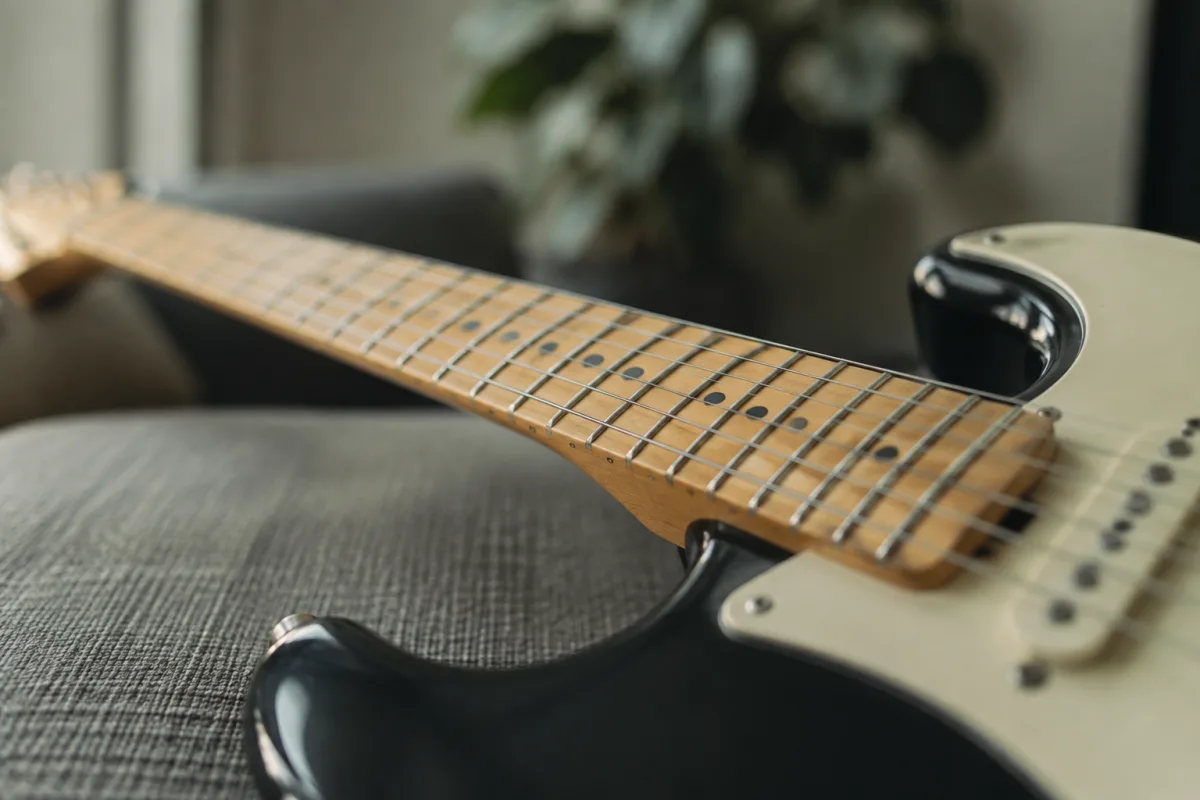
Fender Stratocaster necks are fundamental to understanding one of music's most iconic instruments. The quality, profile, and characteristics of these necks directly influence playability, comfort, and tone. Whether you're upgrading or building your first Stratocaster, selecting the right neck is crucial.
Understanding Fender Stratocaster Necks
A Fender Stratocaster neck features a distinctive tapered profile, three-piece construction, and usually a rosewood or maple fingerboard. Fender Stratocaster necks balance comfort with durability, designed to accommodate varied playing styles from delicate fingerstyle to aggressive bending.
Neck Profiles
Different eras and models feature distinct Fender Stratocaster necks profiles:
- Modern C — Gentle curve; comfortable for most players.
- Soft V — Subtle V shape; classic and versatile.
- Thin Modern — Slender profile; speeds up playing.
- Vintage Soft V — Fender Stratocaster necks recreating classic dimensions.
Materials
Quality Fender Stratocaster necks use premium hardwoods:
- Maple necks — Bright, sustaining tone; durable.
- Rosewood fingerboards — Warm aesthetics; smooth playing surface.
- Modern materials — Some Fender Stratocaster necks incorporate graphite reinforcement for added stability.
Compatibility
Not all Fender Stratocaster necks fit all bodies equally. Vintage-spec necks differ from modern standards. Fender Stratocaster necks from custom shops fit their matched bodies precisely; aftermarket options require verification of compatibility with your specific instrument.
Playability Impact
The Fender Stratocaster necks profile dramatically affects how your instrument plays. Thinner profiles suit fast lead playing; thicker options provide support for chord work. Fender Stratocaster necks with lighter construction feel quicker and more responsive.
Upgrading Fender Stratocaster Necks
Swapping Fender Stratocaster necks is straightforward and affordable. Quality aftermarket Fender Stratocaster necks from Fender's own shop or third-party manufacturers can dramatically improve playability and tone. Many players experiment with different profile Fender Stratocaster necks until finding their perfect fit.
Vintage vs Modern Fender Stratocaster Necks
Vintage Fender Stratocaster necks offer character and authenticity; modern versions provide consistency and refinement. Vintage-inspired Fender Stratocaster necks bridge the gap, offering classic aesthetics with contemporary construction quality.
Conclusion
The choice of Fender Stratocaster necks significantly influences your playing experience and instrument character. Whether preferring vintage character or modern comfort, quality Fender Stratocaster necks transform an instrument into a truly personal extension of your musical voice.
Frequently Asked Questions
Q: How do I know which Fender Stratocaster neck profile suits me?
A: Try different profiles if possible; fast players often prefer thin necks, others favour thicker support.
Q: Can I swap Fender Stratocaster necks myself?
A: Yes. Basic tools and care allow straightforward neck replacement.
Q: Are aftermarket Fender Stratocaster necks good quality?
A: Premium aftermarket options rival OEM quality; verify compatibility first.
Q: What's the difference between maple and rosewood?
A: Maple looks bright and clean; rosewood appears dark with warm aesthetics.
Q: Do Fender Stratocaster necks affect tone?
A: Yes. Neck mass and stiffness subtly influence sustain and resonance.
Q: Which famous players use particular neck profiles?
A: Vintage Soft V remains most popular; modern C suits contemporary players.
Q: How much do Fender Stratocaster necks cost?
A: OEM necks range £80–£300; custom shop versions cost more.
Q: How often should I replace my Fender Stratocaster neck?
A: Rarely, unless damaged. Well-maintained Fender Stratocaster necks last indefinitely.


Comments