


Fender Stratocaster Guitar Body article
The Complete Guide to Fender Stratocaster Guitar Body
The Fender Stratocaster guitar body is an iconic design defining solid-body guitar standards since 1954. Discover its ergonomic contours, construction materials and timeless appeal.
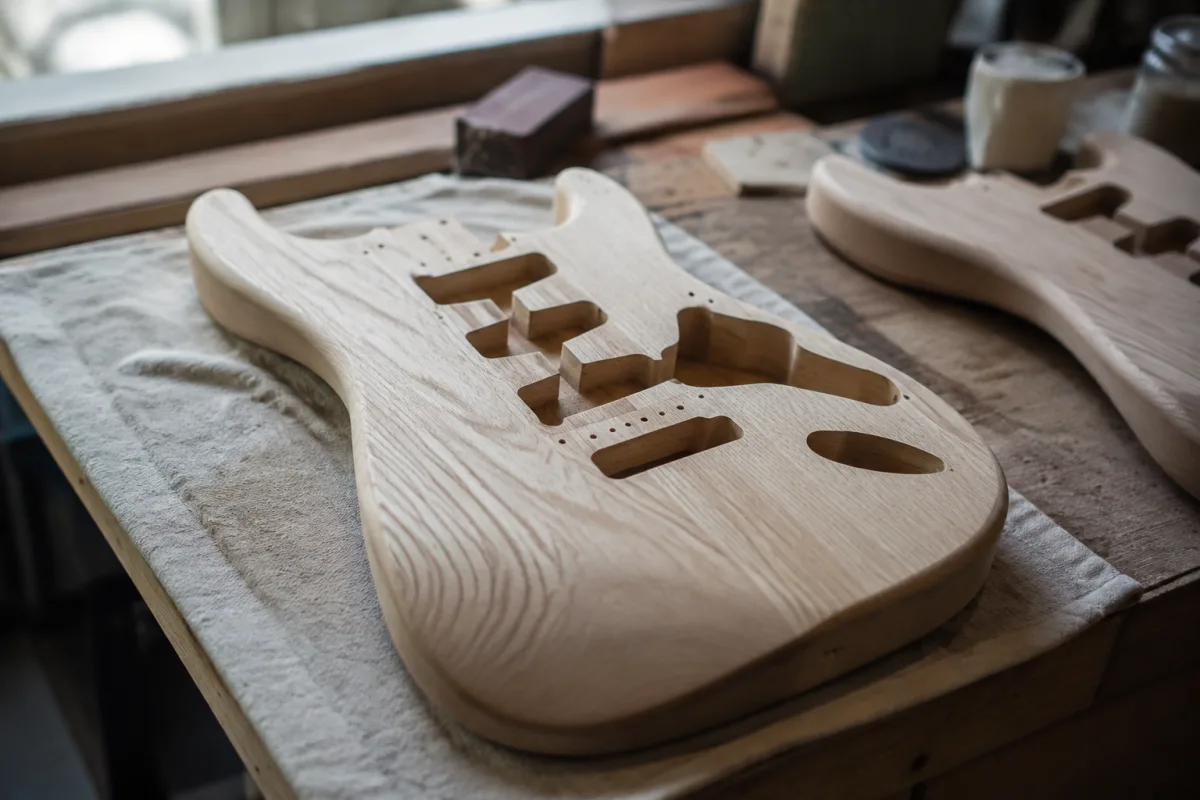
The Fender Stratocaster guitar body is one of the most iconic designs in musical instrument history. Its distinctive contours, timeless aesthetic and practical ergonomics have remained largely unchanged since 1954, when Leo Fender revolutionised electric guitar design. Understanding the construction, materials and design philosophy behind the Stratocaster body helps you appreciate one of music’s most influential instruments.
Design History and Innovation
Leo Fender created the Stratocaster guitar body to address perceived limitations of earlier solid-body electric guitars. The innovative design featured three pickups, a revolutionary tremolo system, and ergonomic body contours that accommodated sitting and standing comfortably. These practical innovations made the Stratocaster guitar immediately popular among professionals and influenced virtually every guitar manufacturer that followed.
The body shape itself—with its gentle curves, sculpted horn and double-cutaway design—became an instant classic. The Stratocaster guitar body defined the aesthetic standard against which nearly all subsequent solid-body designs have been measured. Decades later, the form remains instantly recognisable and remarkably comfortable for extended playing sessions.
Body Construction and Materials
A typical Stratocaster guitar body uses solid wood construction, most commonly alder or ash. Alder, lightweight with warm tonal characteristics, became the standard for decades. Ash, denser and slightly brighter sounding, was preferred during certain production eras and appears on higher-end models. Both woods proved suitable for solid-body guitars, offering adequate durability and tonally desirable properties.
The single-piece body construction remains the most common approach, though some premium Stratocaster guitar models feature multi-piece bodies joined seamlessly. The body thickness—typically between 1.6 and 1.75 inches—balances comfortable playing weight with sufficient mass for solid tone production.
Body Features and Ergonomic Design
The Stratocaster guitar body incorporates several practical design features refined through decades of player feedback:
- Contoured waist: The gentle inward curve at the waist accommodates comfortable sitting position and allows access to upper frets.
- Upper horn: Extended cutaway provides clear access to high frets beyond the 15th position.
- Belly contour: Curved underside follows the player’s torso, reducing pressure points during standing or sitting play.
- Arm contour: Slight depression where the forearm rests reduces fatigue during extended playing.
- Bevelled edges: Softened edges at various points prevent discomfort during contact with body and arms.
Comparing Body Styles and Finishes
| Finish Type | Appearance | Maintenance | Typical Use |
|---|---|---|---|
| Sunburst | Light centre, darker edges, classic look | Moderate, requires regular cleaning | Professional and amateur players |
| Solid Colour | Uniform finish, modern appearance | Moderate, hides wear well | Contemporary styles, all players |
| Transparent | Shows wood grain, natural beauty | High, requires careful care | Premium models, wood enthusiasts |
| Metallic | Shimmer and depth, visual impact | High, shows fingerprints easily | Stage players, distinctive look |
The finish selected affects both appearance and maintenance requirements. Professional players often prefer solid colours for durability on the road; enthusiasts may choose transparent finishes that showcase beautiful wood grain.
Weight and Comfort Considerations
Stratocaster guitar bodies vary in weight depending on wood density and construction approach. A typical alder body weighs approximately 4 to 5 pounds, whilst ash bodies may reach 5 to 6 pounds. This weight variation affects comfort during extended playing sessions and overall guitar feel. Lighter bodies suit standing players; slightly heavier instruments provide greater sustain and tone projection.
The contoured design significantly contributes to comfort by distributing weight evenly across the player’s body. This thoughtful engineering explains why players can spend hours playing a Stratocaster guitar with minimal fatigue compared to less ergonomically designed instruments.
Customisation and Aftermarket Bodies
The Stratocaster guitar body’s standardised design has led to a thriving aftermarket business. Replacement bodies in alternative wood species, custom finishes and specialised designs allow players to customise their instruments. These aftermarket Stratocaster guitar options range from affordable budget alternatives to premium hand-crafted bodies.
Many experienced players have experimented with different bodies, discovering how wood species affects tone and feel. This accessibility to customisation parts encourages exploration and allows players to refine their instrument to personal preferences.
Conclusion
The Stratocaster guitar body remains a masterpiece of practical design, ergonomics and aesthetic appeal. Its influence extends across generations of instruments and continues defining expectations for solid-body guitar design. Whether you own a vintage original or a contemporary reproduction, the Stratocaster guitar body represents a triumph of form and function that has earned its place in musical history.


Comments