


Fender Stratocaster Classic 70s article
Fender Stratocaster Classic 70S for Beginners: A Complete Guide
New to the Fender Stratocaster Classic 70s? This guide covers first-day setup, understanding the three-way pickup system, and how to avoid common beginner mistakes.
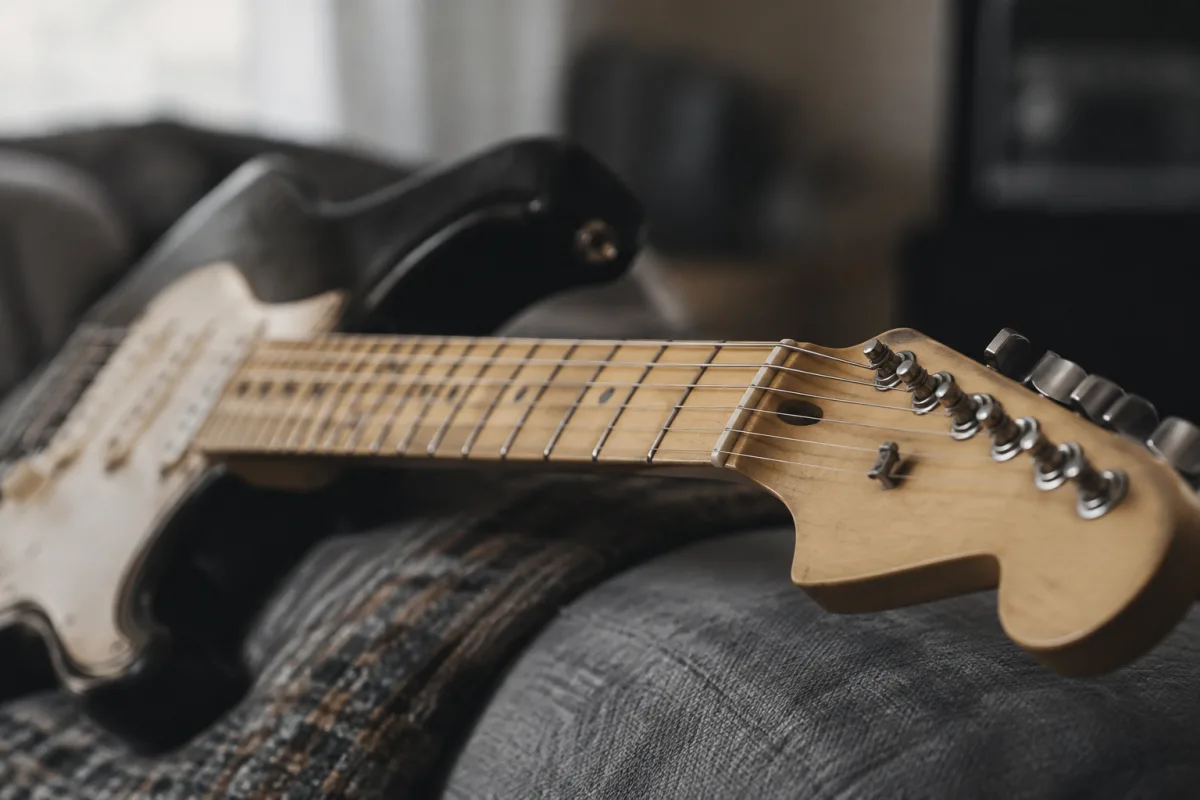
You've just acquired a Fender Stratocaster Classic 70s and you're wondering: how do I get the best sound? Is this guitar easy to play? What shouldn't I do? This beginner's guide strips away the intimidation and shows you straightforward first steps, how to unlock this guitar's potential, and the common mistakes that new owners make. You've picked a legendary instrument; now let's get you playing it properly.
Your First Day: Basic Setup and First Sounds
Out of the Box: What to Expect
The Fender Stratocaster Classic 70s arrives heavier than modern guitars, with a slightly thicker body and a fuller feel. That's authentic 70s build quality—substantial and built to last. Expect a medium-weight instrument that feels solid in your hands. The finish might be slightly aged or show character; that's normal and adds to the vintage appeal. Plug it in (to an amp), flip the pickup selector (the three-way switch), and play a few notes. You'll immediately hear the warm, thick tone that makes 70s Strats legendary.
Understanding the Three-Way Pickup Selector
Your Stratocaster has three pickup positions: neck (left), middle (centre), and bridge (right). Each sounds different. Neck position is warm and mellow—brilliant for blues and smooth solos. Middle position is balanced and mid-forward—great for rhythm and funk. Bridge position is bright and twangy—perfect for lead lines and cutting through the mix. Spend your first hour switching between positions and listening to how they colour your tone. This simple switch is your gateway to tonal variety.
Your Amp Settings Don't Need to Be Complicated
If you're new to guitar, keep your amp settings simple: set volume to a comfortable level, treble to 6, mid to 6, bass to 6. Play with these basic settings first. A 70s Strat sounds magnificent through even a modest amplifier once you've adjusted your expectations. Many beginners crank treble to maximum searching for tone, then wonder why their guitar sounds harsh. Start neutral; adjust gradually from there.
Learning the Playability Without Frustration
Fretboard Feel and Neck Comfort
A Fender Stratocaster Classic 70s has a slightly softer feel than modern Strats—the neck feels a bit more substantial. This is actually brilliant for beginners; a thicker neck gives you more confidence and reduces hand fatigue. Strangely, many beginners complain a neck feels "thick," then feel relief once they play for a few weeks. Give yourself permission to adjust; your hand learns quickly.
String Action and Playing Ease
"Action" refers to the height of strings above the fretboard. A proper setup (which a good shop will do) ensures your Stratocaster is comfortable to play without buzz or dead notes. Out of the box, your 70s Classic might feel slightly higher action than modern guitars—that's period-correct and intentional. If it feels uncomfortable, take it to a tech for a setup. A proper setup costs £40–80 and transforms playability. Don't struggle with an unsetup guitar; it's like driving a car with misaligned wheels.
Tuning Stability and Vintage Tuners
Vintage-style tuning pegs (like those on the Classic 70s) require a slightly different technique than modern tuners. Turn the pegs smoothly and deliberately, not roughly. They'll hold tune beautifully once you're gentle with them. If tuning drifts, ensure your strings are properly wound around the post—ask a shop tech to check if you're unsure. Vintage tuners aren't flaky; they just appreciate a lighter touch.
Common Beginner Mistakes and How to Avoid Them
Mistake: Cranking Treble and Cutting Bass
Beginners often chase a "bright" tone by maxing treble and minimizing bass. On a 70s Strat, this sounds thin and fatiguing. The magic is in the midrange and a little bass warmth. Start with a balanced EQ (6, 6, 6) and trust the guitar's inherent tone. A Stratocaster Classic 70s sounds warmly bright naturally; forcing brightness through amp settings ruins it.
Mistake: Neglecting Regular Cleaning and Maintenance
Vintage-style finishes look beautiful but require occasional care. Wipe down your guitar after playing to remove sweat and oils. Once a month, clean the fretboard gently with a microfiber cloth. Every six months, clean and oil the rosewood fretboard if it's not sealed. Vintage finishes appreciate this attention and reward you with longevity and appearance. A clean guitar motivates practice.
Mistake: Ignoring Setup and Intonation
Many beginners assume a new guitar plays and sounds correctly out of the box. Most need a professional setup. Intonation (whether notes play in tune across the fretboard) should be checked by a tech. A £40–80 setup investment prevents months of frustration and makes you sound better immediately. Don't skip this; it's foundational.
Mistake: Fighting the Vintage Vibe Instead of Embracing It
A Fender Stratocaster Classic 70s isn't a modern shredder's guitar; it's a vintage-inspired instrument designed to evoke classic tones. If you're expecting modern playability and modern tone, you'll be disappointed. Embrace the thicker tone, slightly heavier feel, and vintage character. Once you do, you'll love it. Modern gear enthusiasts sometimes buy a 70s Strat then immediately complain it's not like their modern guitar—mismatch between expectation and reality, not a guitar flaw.
First Month Practice Plan
| Week | Focus | Practice Goal |
|---|---|---|
| Week 1 | Tone Exploration | Switch between pickup positions daily. Play the same lick through all three. Notice tonal differences. |
| Week 2 | Basic Technique | Practise clean note articulation. Focus on smooth, even picking without muting or buzz. |
| Week 3 | Blues Basics | Learn a simple 12-bar blues progression. A 70s Strat is born for blues—embrace that heritage. |
| Week 4 | Rhythm and Dynamics | Practise rhythm playing with varying pick attack. Feel how softer picks create different tone than harder ones. |
Understanding the Stratocaster System
Trem System Basics
Your Classic 70s includes a synchronized tremolo (whammy bar). For beginners, the simplest approach: don't use it initially. The tremolo adds complexity and can detune your guitar if not properly balanced. Once you're comfortable with basic playing, ask a tech to show you how to use it safely. It's a tool for later, not day one.
Tone and Volume Controls
Your Strat has a master volume, master tone, and a three-way pickup selector. Start with volume and tone at 10 (maximum). As you become proficient, you'll use tone control to darken or brighten your sound in real-time. Beginners rarely need this; professionals use it constantly. It's there when you're ready.
Expectations: Sound Quality and Limitations
Why You Might Sound Different Than YouTube Demos
A professional demo video uses a high-end amp, carefully mic'd in a treated studio, through quality audio gear. Your bedroom with a practice amp will sound different—not worse, just different. A Fender Stratocaster Classic 70s sounds brilliant through a modest amp, but it won't sound like a million-pound studio recording. Set realistic expectations about home-recorded tone. Focus on playing well; good tone follows.
Amp Choice Matters, But Don't Overthink It
Your guitar sounds best through a clean, undistorted amp where you can hear its natural voice. Any decent guitar amp (even a budget model) will reveal your Strat's character. Save amp upgrades for month three or later. A good guitar shines through modest gear; a modest guitar struggles regardless of amp quality. You've got the good guitar; trust it.
Maintenance Checklist for Year One
- After each playing session: wipe down the body and neck
- Monthly: clean the fretboard gently with a microfiber cloth
- Every three months: check tuning machine screws are tight
- Every six months: clean and oil the rosewood fretboard
- Annually: take your guitar to a tech for a full setup and inspection
- As needed: replace strings when they sound dull (every 3–6 months for regular players)
Learning More
For a deeper dive into Fender Stratocaster Classic 70s specifications, its history, and how it compares to other Strat models, check out The Complete Guide to Fender Stratocaster Classic 70s. That resource covers technical details, vintage variations, and the full legacy of this iconic instrument.
Conclusion
Getting started with a Fender Stratocaster Classic 70s means embracing the vintage character you've invested in. Out of the box, play through each pickup position, keep your amp settings neutral, and resist fighting the thicker neck and vintage feel—your hands will adapt quickly. Schedule a professional setup, learn to maintain your guitar with simple weekly cleaning, and focus on playing rather than chasing tone through amp settings. Most importantly, remember you're playing one of the world's most beloved guitars. That legendary tone is already there; your job is to develop the skill to express it. Play regularly, be patient with yourself, and enjoy the journey. You've chosen brilliantly.


Comments