


Fender Guitar Belt Buying guide
Fender Guitar Belt: A Complete Buyer's Guide
Choosing a Fender guitar belt requires understanding materials, width options, comfort features, and attachment compatibility. This guide helps you select the right strap based on your playing style, body type, and durability needs.
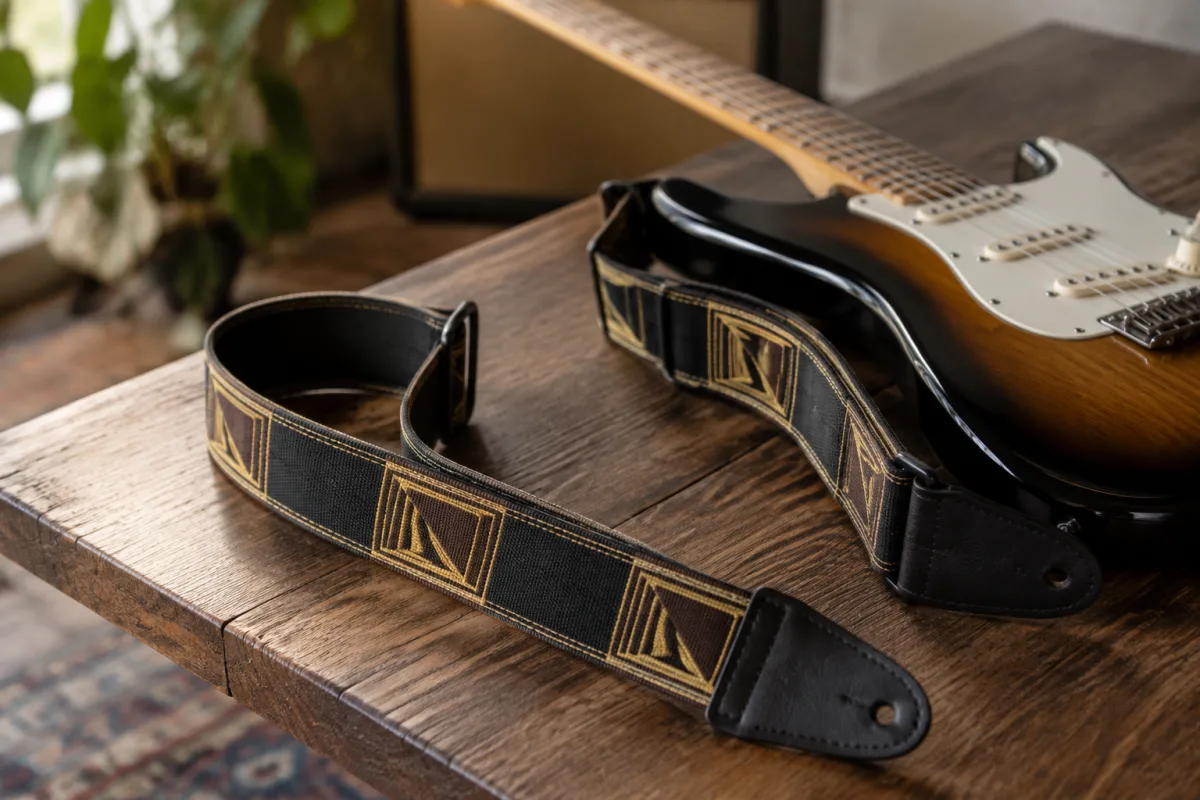
A quality guitar strap—or belt, as some call it—is an essential accessory that directly impacts your playing comfort and instrument security. Fender guitar belts have established themselves as reliable, affordable options trusted by beginners and professionals alike. However, choosing the right Fender strap requires understanding the various materials, widths, and attachment styles available, assessing comfort for your body type and playing style, and ensuring the strap meets your specific needs. This guide walks you through the decision-making process to find a Fender guitar belt you'll actually enjoy wearing.
Understanding Fender Guitar Belt Materials and Construction
Fender produces guitar straps in several distinct material types, each offering different durability, comfort, and aesthetic qualities. Leather straps are the most popular premium option, delivering classic appearance and inherent strength. Fender's leather straps are typically made from cowhide and develop a patina over time, adding character. Quality leather straps from Fender cost £20-40 new, offering excellent durability that justifies the higher price.
Cotton or canvas straps represent the most affordable option, costing £8-15 new. These straps are lighter, typically more colourful, and appeal to players seeking a vintage or casual aesthetic. However, cotton straps wear more quickly than leather and may fray at the edges over extended use. They're excellent for beginners or those prioritising style and budget over maximum longevity.
Synthetic or nylon straps combine affordability with decent durability. Priced around £12-20, these straps resist moisture and wear reasonably well, making them suitable for gigging musicians or those playing in humid environments. Fender's synthetic straps often feature textured surfaces that prevent the strap from slipping off your shoulder during play.
Specialty straps with padding or memory foam are available at premium prices (£25-40+), designed specifically for players suffering from shoulder or neck strain. These straps distribute weight more evenly and reduce fatigue during extended playing sessions.
Strap Width and Shoulder Comfort
Strap width significantly affects comfort, particularly during long practice or performance sessions. Standard guitar straps are typically 2 to 2.5 inches wide, providing adequate weight distribution for most players. Wider straps (3+ inches) offer superior comfort and reduced shoulder strain, particularly beneficial if you're playing for hours or struggling with discomfort from narrower straps.
Your body type influences ideal strap width. Larger-framed musicians often find standard widths uncomfortable; a wider Fender strap reduces pressure concentration. Conversely, smaller-framed players or those with narrower shoulders may find very wide straps cumbersome. The best approach is to try different widths if possible before purchasing.
Padding also affects comfort. Thin, flexible straps allow maximum instrument control and feel but provide minimal cushioning. Padded Fender straps add comfort and reduce shoulder strain but are slightly heavier and less responsive. Consider your playing style—classical players prioritising precise control may prefer thinner straps, whilst rock and pop musicians playing for extended periods benefit from padding.
Attachment Styles and Compatibility
Fender guitar straps use standardised strap buttons and attachment points, but compatibility issues occasionally arise. Most guitars feature two strap buttons—one on the lower bout and one on the headstock. Fender straps accommodate this standard configuration, featuring leather loops that slip over standard button sizes.
Check your guitar's strap button size before purchasing; most standard guitars use 0.375-inch buttons, but some vintage or specialty guitars use different sizes. If you're replacing a strap on an older guitar, verify button compatibility. Fender's standard straps fit virtually all modern guitars, but it's worth confirming.
Some Fender straps feature reinforced attachment points or additional stitching where loops attach, enhancing durability and security. Premium straps often include metal-reinforced slots, providing extra assurance that the strap won't slip off during performance.
Fender Strap Styles and Design Options
Fender offers an extensive range of strap designs to suit different musical styles and personal preferences. Classic solid colours—black, brown, red—work with any guitar and aesthetic. Fender's iconic '60s-inspired patterns, including psychedelic and geometric prints, appeal to players seeking bold, distinctive looks. Branded straps featuring Fender logos are popular collectibles for Fender enthusiasts.
The visual design doesn't affect functionality, so this choice is purely aesthetic. However, darker colours hide dirt and sweat more effectively than light colours, which is practical for regular gigging. Patterned straps can camouflage wear better than solid colours, extending apparent lifespan.
Length is another consideration. Fender guitar straps typically adjust from approximately 30 to 60 inches, accommodating different player sizes and playing styles. Adjust your strap length based on your body size and playing position—sitting should position the guitar slightly lower than standing, allowing better access to higher frets.
Quality Considerations and Durability
Not all Fender straps are equally durable. Entry-level Fender straps cost £8-12 and use basic materials with minimal reinforcement; these work adequately for casual players but may fray or wear noticeably within one to two years of regular use. Mid-range Fender straps (£15-25) offer substantially better durability through reinforced stitching, quality materials, and robust attachment points.
Examine stitching carefully before purchasing. Look for tight, even stitches with no loose threads; poor stitching indicates a strap that will fail prematurely. Inspect the leather or fabric for uniform quality without thin spots or inconsistencies. The attachment loops should be densely stitched and reinforced; thin or loosely stitched loops are failure points.
Vintage Fender straps from the 1960s-1980s are collectible and often more durable than modern examples, though condition varies dramatically. Used vintage Fender straps in good condition command £20-50 depending on rarity and condition; premium or signature models may cost considerably more.
Common Mistakes When Buying Fender Guitar Belts
Avoid these errors to ensure your strap purchase is satisfactory:
- Prioritising appearance over comfort: A beautiful strap you hate wearing isn't worth the investment; comfort must come first for regular practice instruments
- Choosing inappropriate width: Standard width works for most players, but if you experience shoulder discomfort, trying a wider strap is worth the investment
- Ignoring stitching quality: Poor stitching indicates premature failure; carefully examine this before purchasing, especially budget-priced straps
- Underestimating length requirements: Verify the strap adjusts to your ideal length before purchasing; some budget straps don't extend far enough for larger players
- Buying overly thin straps for heavy guitars: Thick, heavy guitars require adequate strap width and padding to prevent shoulder fatigue during extended play
- Overlooking attachment point quality: Weak or poorly sewn attachment loops fail without warning, potentially damaging your guitar; prioritise straps with reinforced attachment points
Price Ranges and Value Considerations
Fender guitar strap prices span from budget-conscious options to premium accessories:
- Budget straps (£8-12): Basic construction, entry-level materials, suitable for beginners or occasional players. Expect 1-2 years of regular use before wear becomes noticeable.
- Mid-range straps (£15-25): Better materials, reinforced construction, 3-5 years durability with regular use. This price range offers the best value for most players.
- Premium straps (£25-40+): High-quality materials, specialised padding or features, professional construction. These straps prioritise comfort and aesthetics alongside durability.
- Specialty or collectible straps: Vintage Fender straps or limited-edition designs command £30-100+ depending on rarity and condition.
For most players, mid-range Fender straps represent the best value. You'll avoid budget strap failures whilst not overpaying for features you may not need. If you gig regularly or play for extended periods daily, premium features justify higher cost.
Where to Purchase Fender Guitar Belts
Authorised Fender retailers and music shops stock current Fender strap models and offer the ability to examine quality before purchasing. Online retailers provide extensive selection at competitive prices, though you'll judge quality from photographs and descriptions. Specialist guitar shops often carry vintage Fender straps and can provide insight into age and authenticity.
Direct purchase from Fender's website ensures authenticity and typically includes current models. However, retail locations allow hands-on evaluation of comfort and materials before committing financially. Used Fender straps from reliable sellers offer value, particularly for vintage models becoming increasingly difficult to find new.
For more information about guitar straps and accessories, explore our complete guide to Fender guitar belts, which covers history, styles, and maintenance recommendations in depth.
Making Your Final Selection
Choose a Fender guitar belt based first on comfort, second on durability, and third on aesthetics. Try different widths and materials if possible to discover your preference. Examine stitching and attachment quality carefully. A well-chosen Fender strap will enhance your playing experience, look great, and provide years of reliable service.


Comments