


Epiphone LP Studio article
The Complete Guide to Epiphone Lp Studio
The Epiphone LP Studio delivers authentic Les Paul character and tone at a fraction of Gibson pricing. Solid mahogany construction and classic design for serious players.
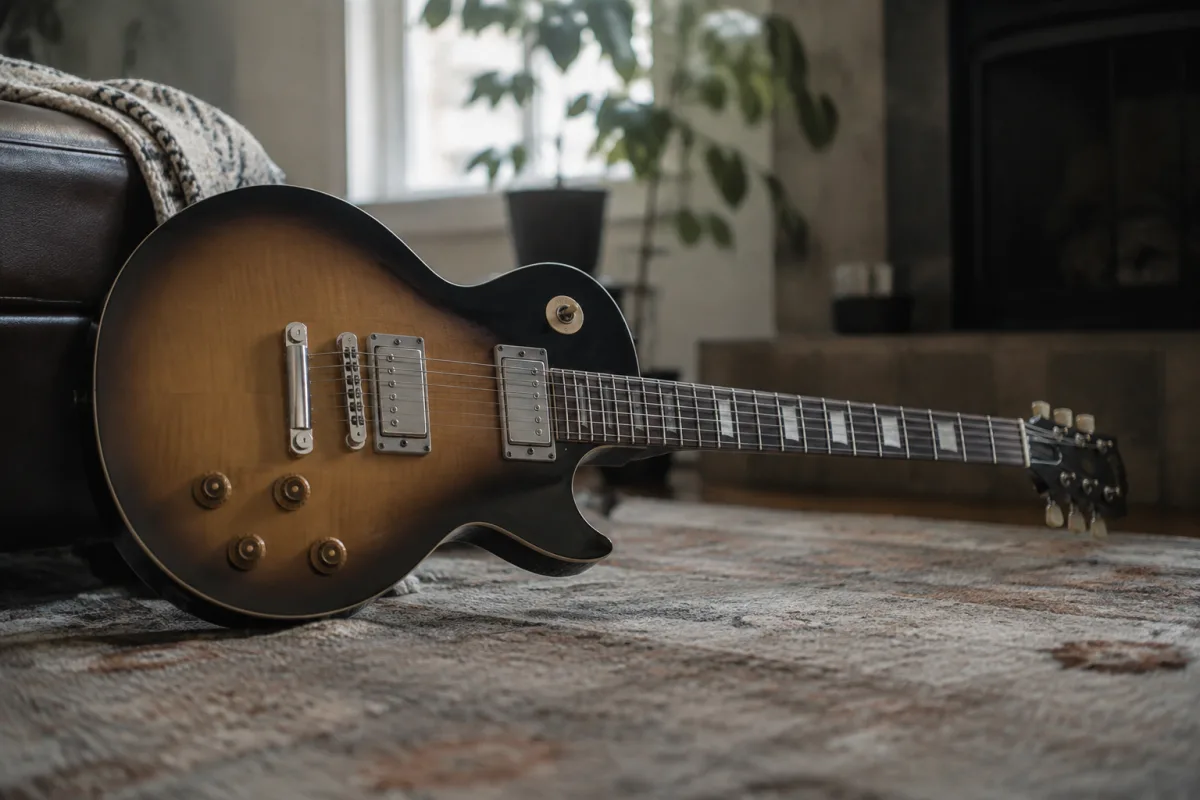
The Epiphone LP Studio offers Gibson's iconic Les Paul design at a fraction of the cost, delivering genuine quality and classic tone. For guitarists seeking that unmistakable thick, woody character without the premium price tag, the Epiphone LP Studio provides authentic Les Paul sound and feel.
What Makes the Epiphone LP Studio Special
The Epiphone LP Studio is a stripped-down version of the classic Gibson Les Paul, eliminating unnecessary aesthetic flourishes to reduce cost without compromising essential tone. The body is solid mahogany with a maple top, identical construction to Gibson's approach. This fundamental build quality means the Epiphone LP Studio genuinely resonates like a proper semi-hollow instrument, producing the woody sustain that defines Les Paul tone.
Unlike Les Paul Custom models with elaborate binding and inlays, the LP Studio features a plain top and simple hardware. This isn't a limitation—it's intentional design that prioritises playability and tone over visual showiness. Generations of professionals have proven that stripped-down Les Pauls sound precisely as good as ornate variants.
Body and Tonal Characteristics
Solid mahogany construction combined with a maple veneer top creates the distinctive thick, warm tone for which Les Pauls are legendary. The Epiphone LP Studio produces substantial sustain, articulate midrange and natural harmonic richness that makes even simple chords sound authoritative. The weight of the instrument contributes to this resonance—the Epiphone LP Studio is genuinely heavy, transferring that mass directly into vibration.
Tonally, the Epiphone LP Studio occupies middle ground between bright Stratocasters and resonant semi-acoustics. It suits blues, classic rock, heavy rock and even jazz contexts. The midrange-forward character cuts through band mixes without harshness. Plug it through a Marshall stack or into an acoustic combo, and you get that recognisable Les Paul character.
Pickups and Electronics
The Epiphone LP Studio typically features dual humbucker pickups, either Epiphone house-brand units or licensed versions of classic designs depending on year and specification. Stock pickups offer adequate tone with good clarity. Serious players often upgrade to vintage-style PAF-type humbuckers, which enhance the vintage character significantly.
Electronics include volume and tone controls for each pickup plus a three-way selector. This straightforward layout gives you tonal flexibility without unnecessary complexity. The wiring is conventional and reliable; most players never need internal modifications.
Playability and Comfort
The Epiphone LP Studio neck is typically mahogany with a rosewood fretboard, dimensions matching classic Les Paul specifications. The 24-3/4-inch scale is shorter than Fender designs, requiring slight technique adjustment if you're accustomed to Stratocasters. This shorter scale makes bends easier and contributes to the warmer tone.
Weight is the primary playability consideration. At around 3.5 kilograms, the Epiphone LP Studio is substantially heavier than most electric guitars. Sitting down, weight isn't problematic. Standing for extended periods, the strap pressure and body mass become apparent. Muscular players rarely notice; slighter players might find the weight tiring. This is inherent to any Les Paul design.
Hardware and Hardware Quality
The Epiphone LP Studio features practical hardware including tuners, bridge and tailpiece. Construction is adequate but not premium—you won't find the refined machining of Gibson models. However, hardware reliability is acceptable, and most players experience years of problem-free operation.
Some premium variants feature locking tuners and improved bridges, reducing cost-cutting. Stock models use standard hardware that requires occasional tightening but generally serves reliably.
Price and Value Comparison
An Epiphone LP Studio costs between £200 and £400 depending on specification and market. An equivalent Gibson Les Paul Standard costs £800–1200, making the Epiphone represent 70% savings. For this investment, you sacrifice some hardware refinement and aesthetics but retain genuine Les Paul tone and playability.
This represents extraordinary value. The Epiphone LP Studio offers a legitimate gateway to Les Paul playing without major financial commitment. Used instruments offer even greater value, often available for £150–250.
Modifications and Upgrades
Many players enhance the Epiphone LP Studio through pickups upgrades and electronics refinement. Aftermarket humbuckers transform the tone dramatically, shifting from adequate-but-budget to genuinely vintage character. New potentiometers and wiring improve responsiveness. These modifications cost £100–300 but transform the instrument.
The Epiphone LP Studio provides an excellent platform for modifications. Once upgraded, it rivals Gibson models tonally whilst retaining the satisfaction of personal customisation.
The Epiphone LP Studio remains one of the most sensible guitar purchases available. If you want authentic Les Paul tone, playability and character without Gibson pricing, the Epiphone delivers genuine quality and satisfaction.



Comments