
Epiphone LP Classic article
The Complete Guide to Epiphone Lp Classic
The Epiphone LP Classic delivers authentic Les Paul tone and character at a fraction of Gibson's cost, making legendary guitar design accessible to all budgets.
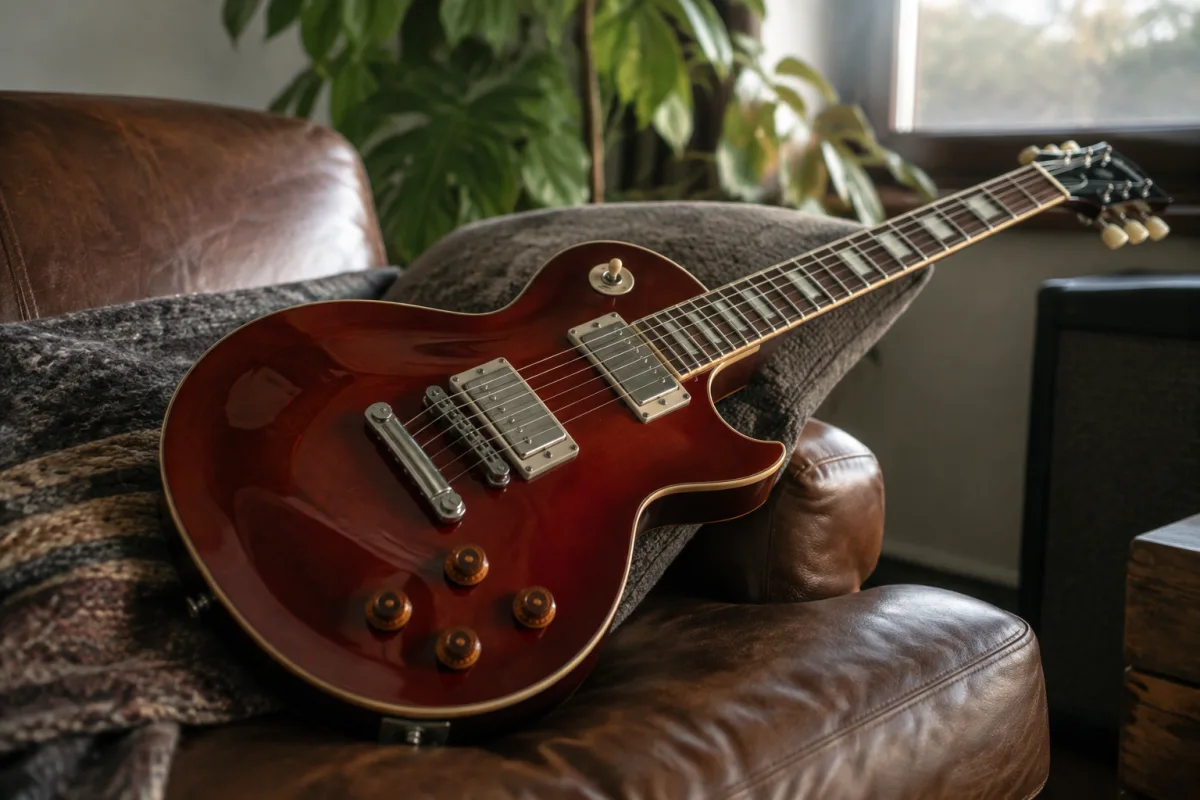
The Epiphone LP Classic delivers the iconic Les Paul design, character and playing experience at a fraction of the cost of a Gibson original. With its distinctive single-cutaway body, thick, warm tone and rock-solid heritage, this guitar has become a go-to choice for rock musicians, blues players and anyone seeking authentic Gibson tone without the premium price tag. Whether you're a beginner exploring the Les Paul mystique, an intermediate player upgrading from an entry-level instrument, or a professional seeking a reliable workhorse, the Epiphone LP Classic offers remarkable value and genuine playability.
The Les Paul Legacy and Epiphone's Place in It
The Gibson Les Paul, introduced in 1952, is one of the most iconic electric guitars ever made. Its thick body, arched top and dual humbucking pickups revolutionised rock music, becoming the instrument of choice for blues, rock and heavy music legends from Jimmy Page to Slash. The original Les Paul commands prices from £2000 to over £10,000, placing it beyond most players' reach. Epiphone, owned by Gibson, offers more affordable alternatives that maintain the authentic Les Paul character—and the LP Classic is their most authentic interpretation of the classic design.
Build Quality and Construction
The Epiphone LP Classic features a solid mahogany body with an arched top, the same fundamental construction as a Gibson Les Paul. The neck is mahogany with a rosewood fingerboard, precisely fretted and carefully finished. The body is finished in classic colours—Ebony, Cherry, Honeyburst or Walnut—that evoke the vintage Les Paul aesthetic. Weight is substantial (around 3.2kg), giving the guitar the physical presence and sustain associated with quality solid-body instruments.
Hardware includes Epiphone's reliable tuning machines and a Tune-o-matic bridge with a stop-bar tailpiece—the classic Les Paul configuration that contributes to sustain and tonal character. The construction is surprisingly robust; internally, Epiphone uses proper techniques to ensure structural integrity and long-term stability. This is not a budget compromise—it's a properly engineered guitar that respects the Les Paul legacy.
Pickups and Tone
The LP Classic typically features dual humbucker pickups, the signature Les Paul configuration. Epiphone's modern humbuckers deliver that characteristic warm, thick tone associated with Les Pauls—perfect for blues, rock and heavy music. The neck pickup produces creamy, singing tones ideal for sustained solos and rhythm texture. The bridge pickup offers aggressive midrange and articulate high-end, cutting through a mix powerfully. Together, they capture the essence of the Les Paul sound at a price that makes sense for players not yet ready to invest four figures in an instrument.
The pickups respond beautifully to your playing dynamics. Play gently, and the tone is warm and nuanced. Attack aggressively, and they sing with character and sustain. This is the hallmark of quality humbuckers—they translate your playing accurately rather than imposing a single sonic character.
Playability and Comfort
The Les Paul body shape is distinctive and instantly recognisable, but it requires getting used to. The thick body and weight demand proper positioning on your lap or with a guitar strap. The upper body cut (the single cutaway) provides reasonable access to upper frets, though not as much as a Stratocaster or modern superstrat design. Most players find it comfortable after a brief adjustment period. The neck is appropriately chunky—substantial without feeling clumsy—providing stability and a satisfying feel.
The fret work on the LP Classic is respectable. Frets are levelled and polished sufficiently for smooth bending and vibrato. The action comes set reasonably from the factory, though as with any guitar, a professional setup optimises it for your playing style and preferences.
Epiphone LP Classic vs Gibson and Competing Epiphones
| Model | Price Range | Build Quality | Tone | Best For |
|---|---|---|---|---|
| Epiphone LP Classic | £300–450 | Good, solid mahogany body | Warm, thick, authentic Les Paul character | Intermediate players, budget-conscious musicians |
| Epiphone LP Standard | £250–350 | Decent, slightly thinner construction | Similar to LP Classic but slightly brighter | Beginners exploring Les Paul design |
| Gibson Les Paul | £2000–10000+ | Exceptional, premium materials | Definitive Les Paul tone, legendary character | Professionals, serious collectors, established players |
| Competing Budget Les Pauls | £200–400 | Variable, often inconsistent | Often lacking authentic character | Absolute beginners on tight budget |
Versatility Across Music Styles
Whilst the Les Paul design evolved from jazz and blues, it dominates rock and heavy music today. The LP Classic handles all these styles beautifully. Play it clean through a quality amplifier, and you get vintage jazz tones. Push the amp into overdrive, and it roars with rock authority. Crank a high-gain amp, and it delivers heavy, saturated tones perfect for metal. The thick tone and sustain make this guitar remarkably versatile despite its singular character.
Amplifier Pairing
The thick tone of the LP Classic pairs beautifully with various amplifiers. Through a clean, headroom-focused amp (a Fender Deluxe Reverb, for instance), the natural warmth and harmonic complexity shine. Run through a slightly overdriven tube amp (a Marshall or Vox), it achieves iconic rock tones. Plug into a high-gain amp, and the humbucker's natural midrange cuts through beautifully. The key is choosing an amplifier that lets the guitar's character shine rather than burying it under effects and distortion.
Maintenance and Long-Term Care
The mahogany body and rosewood fingerboard require basic care to maintain their appearance and longevity. Keep the guitar in a stable environment—extreme temperature and humidity swings can affect the wood and electronics. Periodically wipe down the body and fretboard with a soft cloth. The electronics are straightforward and reliable; a functioning Les Paul requires minimal maintenance beyond occasional cleaning and string changes.
Budget Considerations and Value
At £300–450 new, the LP Classic represents excellent value. You're paying for legitimate mahogany construction, proven Les Paul design, dual humbucking pickups and Epiphone's solid build quality. A Gibson Les Paul at £2000+ is considerably more expensive; a budget Les Paul clone at £150–200 often feels cheap and sounds unconvincing. The LP Classic sits in the sweet spot—authentic enough to genuinely inspire, affordable enough to be a realistic investment for most players.
Common Questions About the Epiphone LP Classic
- Is it a real Epiphone? — Yes, absolutely. Epiphone is Gibson's more affordable brand, and the LP Classic is a genuine Epiphone product with full company support and warranty.
- How does it compare to the Gibson Les Paul? — Substantially cheaper with similar (not identical) tone and character. A Gibson is marginally better built and sounds subtly superior; whether the £1500+ difference is worthwhile depends on your budget and ears.
- Can I replace the pickups? — Yes. Many players swap in aftermarket humbuckers for enhanced tone, though the stock pickups are respectable and most players are satisfied without upgrading.
- Is the weight a problem? — The thick body makes it heavier than a Stratocaster; some players appreciate the substantial feel, others find it tiring. Play one in person before purchasing.
Conclusion
The Epiphone LP Classic brings the legendary Les Paul design and tone to an affordable price point, making it an ideal choice for players seeking authentic character without premium investment. It's not a compromise—it's a properly engineered guitar that respects the Les Paul legacy whilst remaining accessible to real-world musicians. Whether you're exploring the Les Paul mystique for the first time or seeking a reliable, versatile workhorse for gigging and recording, the Epiphone LP Classic delivers genuine value and authentic Epiphone/Gibson character.


Comments