


Epiphone Guitar Straps Buying guide
Epiphone Guitar Straps: A Complete Buyer's Guide
Looking for an Epiphone guitar strap? Learn about materials, padding options, build quality, length adjustability, and how to choose the right strap for comfortable playing.
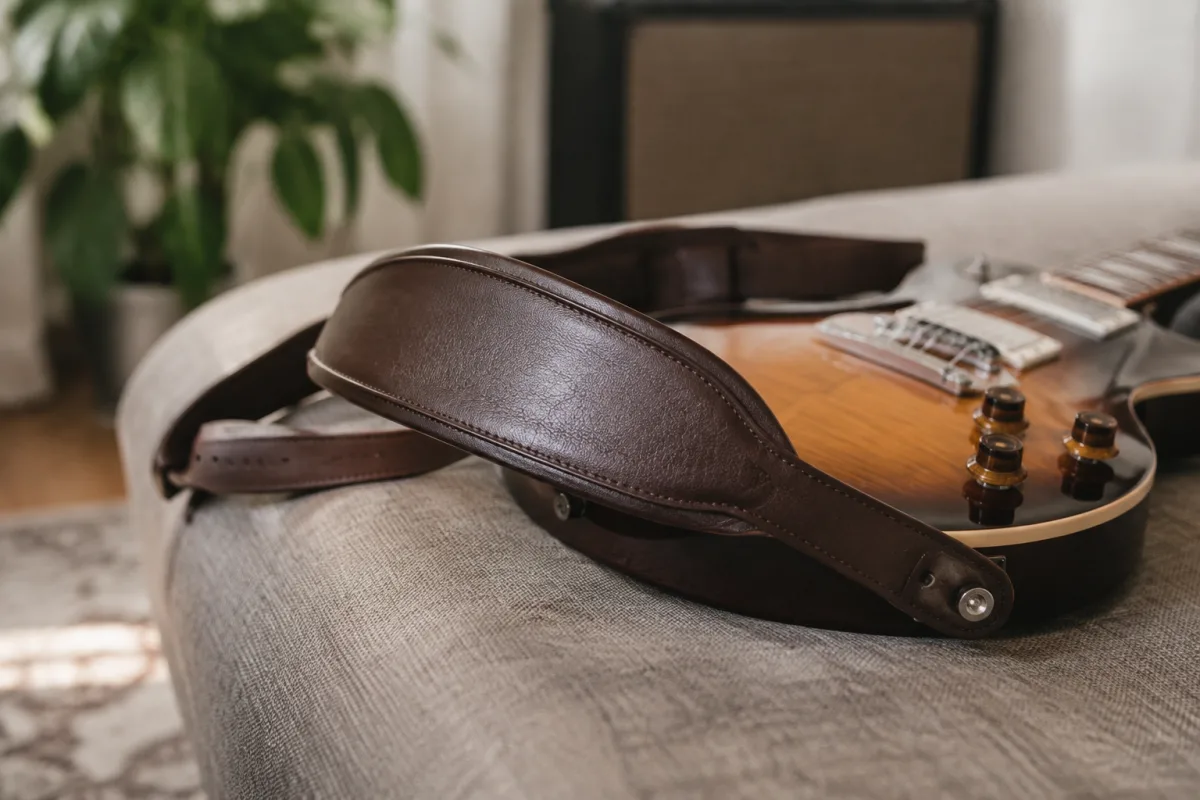
Epiphone guitar straps might seem like a minor purchase compared to the guitar itself, but anyone who's played for more than a few minutes understands that strap quality directly affects playing comfort, confidence, and how long you can practice without fatigue. Epiphone manufactures quality guitar straps designed to complement their instruments, offering genuine value without requiring premium pricing. If you're buying a guitar strap and wondering whether official Epiphone straps justify their cost or whether generic alternatives suffice, this buyer's guide walks you through the considerations that separate adequate from excellent, helps you understand what different strap materials and designs offer, and ensures you make an informed purchase that complements your playing experience for years.
Why Strap Quality Matters More Than You Might Think
Poor-quality straps cause neck strain, shoulder fatigue, and playing discomfort that discourage practice and frustrate your learning experience. Straps that slip or shift during playing disrupt your concentration and create safety concerns if your guitar drops. Quality straps distribute weight evenly across your shoulder, prevent slipping, and remain comfortable during extended playing sessions. For beginners building practice habits, strap comfort is genuinely important; uncomfortable equipment becomes another obstacle to consistency. For performers, dropped guitars on stage create obvious problems. Investing modest budget in quality straps pays enormous dividends in comfort and reliability that enhance your playing experience immediately.
Understanding Epiphone Strap Options and Styles
Epiphone manufactures several strap styles serving different preferences and purposes. Padded straps distribute weight across broader shoulder surface, reducing pressure on any single point and improving comfort during long practice or performance sessions. Non-padded straps are lighter and suitable for shorter sessions, though they feel less comfortable during extended playing. Leather straps offer vintage aesthetic and durability, ageing beautifully over years of use. Nylon and fabric straps are lighter and often more affordable, though they lack the premium feel of leather. Adjustable length straps suit different players and different playing positions; ensure any strap you buy offers sufficient length range for your needs. Before purchasing, consider your primary playing context: studio sessions, home practice, or touring performances.
Build Quality and Material Selection
Epiphone straps typically feature quality construction with reinforced stitching and durable attachment hardware. Leather straps use genuine leather that ages beautifully and actually improves with years of use. Cheaper straps sometimes use synthetic leather that cracks and deteriorates quickly, appearing worn within months. Attachment points (where the strap connects to your guitar) should be robust; flimsy attachment points fail during performances or regular playing. Before buying, examine stitching closely—even, tight stitching indicates quality construction, whilst loose or irregular stitching signals production shortcuts. Quality padding in padded straps should be firm enough to distribute weight effectively, not compress and flatten within weeks. These details seem minor but directly affect how long your strap remains comfortable and reliable.
Length and Adjustability Considerations
Guitar straps accommodate vastly different players and playing styles. Seated players need shorter straps; standing performers often need longer adjustment ranges. Epiphone straps typically adjust from approximately 44 inches to 52+ inches, accommodating most players. Verify specific length specifications before buying; if you're particularly tall or short, confirm the strap's adjustment range suits your frame. Too-short straps force awkward positioning; too-long straps create security concerns if you can't tighten adequately. Quality adjustment mechanisms should use secure knots, stitching, or hardware preventing unexpected lengthening or shortening during play. Test adjustment stability; tightening should feel secure without requiring constant re-adjustment.
Price Tiers and Value Assessment
Epiphone guitar straps range from £10–£40 depending on materials and special features. Basic straps offer adequate quality for casual playing. Mid-range straps (£15–£30) offer noticeably improved comfort and durability. Premium straps (£30+) feature exceptional materials like genuine leather and enhanced padding. For most players, mid-range Epiphone straps represent excellent value—they're dramatically better than budget alternatives without requiring premium investments only touring musicians justify. Avoid extremely cheap alternatives; they fail quickly and ultimately cost more when replacement becomes necessary.
Aesthetic Considerations and Personal Expression
Guitar straps contribute to your visual presentation and personal style. Epiphone offers various designs, colours, and patterns reflecting different aesthetic preferences. Some straps feature bold designs, others favour classic simplicity. Your strap selection reflects your personality and musical taste. Before buying, consider whether the design complements your guitar and personal style. You'll wear this strap regularly; choosing something you genuinely like ensures satisfaction beyond just functional considerations. Aesthetic appeal enhances your relationship with your instrument, making practice more enjoyable.
Comparing Official Epiphone Straps to Generic Alternatives
Generic third-party straps often cost significantly less than official Epiphone options. However, Epiphone straps are specifically designed and tested with Epiphone guitars, ensuring compatibility and quality standards matching their instruments. Generic alternatives sometimes use flimsy attachment hardware failing under regular use, or cheap padding compressing within weeks. Epiphone straps come from a manufacturer committed to quality and standing behind their products. For modest price differences—often only £5–£10 more—official straps offer genuine value through superior durability and peace of mind. Conversely, if your budget is severely limited, quality generic straps from established brands occasionally offer acceptable alternatives, though quality varies dramatically by brand and specific model.
Strap Maintenance and Long-Term Care
Quality straps improve with proper care. Leather straps benefit from occasional conditioning with leather conditioner, preventing cracking and maintaining suppleness. Fabric and padded straps can be spot-cleaned when soiled. Avoid excessive moisture; wet straps deteriorate rapidly. Proper care extends strap lifespan significantly, getting years of reliable performance from your investment. Learning basic maintenance prevents premature deterioration and keeps your strap comfortable throughout its lifespan.
Making Your Purchase Decision
Consider your primary playing context, budget, and aesthetic preferences when choosing Epiphone guitar straps. Prioritise comfort for extended practice sessions, reliability of attachment hardware, and build quality indicators like stitching consistency. Official Epiphone straps offer genuine value for modest investment; unless your budget is severely restricted, authentic Epiphone straps provide superior value. Choose designs and materials reflecting your personal style and musical preferences. With reasonable care, a quality guitar strap becomes a reliable companion for your entire playing journey.


Comments