


Double Neck Epiphone article
Double Neck Epiphone for Beginners: A Complete Guide
A double neck Epiphone guitar looks impressive, but is this specialised instrument right for you as a beginner? This guide explains practical realities.
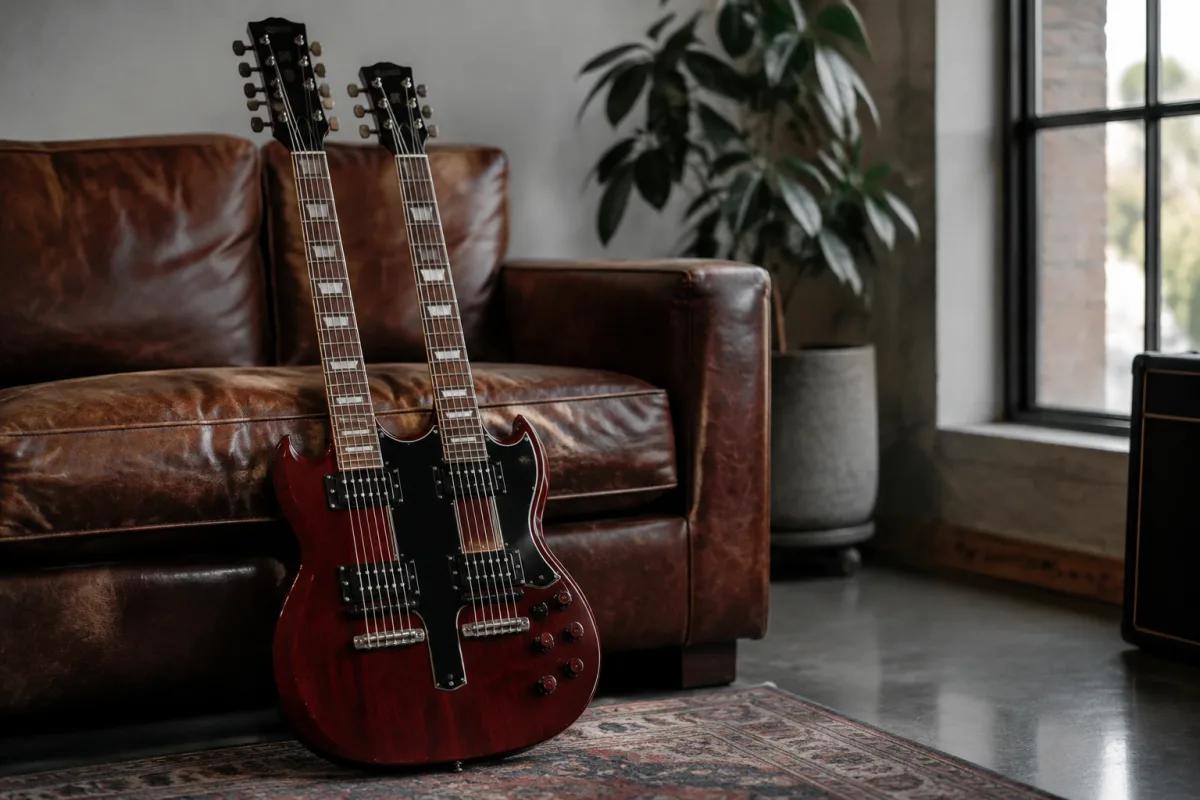
A double neck Epiphone guitar looks absolutely impressive—imagine switching between a standard six-string neck and a twelve-string neck instantly during live performance. But is a double neck instrument right for you as a beginner? This guide explains what double neck Epiphone guitars are, who genuinely needs them, and whether the considerable investment makes sense for your musical journey.
Understanding Double Neck Epiphone Guitars Simply
A double neck Epiphone combines two different guitar necks mounted on a single body—typically a six-string neck for standard guitar playing paired with a twelve-string neck for lush, resonant tones. The concept appeals to performers needing rapid tonal shifts without changing instruments mid-performance. Hendrix used double neck models iconic on historic recordings. However, beginners sometimes romanticise the idea without understanding practical realities—most learning guitarists never genuinely need this specialised equipment.
Common Beginner Misconceptions About Double Neck Epiphone Guitars
Misconception one: double neck Epiphone guitars sound twice as good as single-neck models. Reality: they produce different tones, not necessarily better ones. Misconception two: professionals prefer double neck models. Actually, most professionals maintain separate instruments rather than investing in complex double-neck setups. Misconception three: beginners should start with double neck models to maximise versatility. This is backwards—beginners benefit from mastering single-neck instruments first before adding equipment complexity.
Practical Challenges With Double Neck Epiphone Guitars for First-Timers
| Challenge | How It Affects Beginners | Honest Assessment |
|---|---|---|
| Weight (significantly heavier) | Shoulder and neck fatigue during practice | Learning demands conditioning; heavy guitars frustrate developing players |
| Complexity (two complete instrument systems) | Twice the maintenance and tuning challenges | Beginners struggle with one instrument; two simultaneously is genuinely overwhelming |
| Cost (premium pricing) | Expensive initial investment | Better to spend less on single-neck, upgrade later if needed |
| Neck Switching Technique | Requires specific performance skills | Adds learning curve unnecessary for beginner fundamentals |
When Double Neck Epiphone Guitars Actually Make Sense
Double neck Epiphone instruments suit advanced players committed to specific musical genres—progressive rock, classical-electric fusion, and tapping-heavy styles benefit from tonal switching flexibility. Professional touring musicians with technical staff supporting equipment justify the investment. Beginners wanting to "look cool" shouldn't invest £1,200–2,000 in equipment solving problems they don't yet have. Learning fundamentals on simple instruments builds skills transferring to complex equipment later.
Honest Talk for Enthusiastic Beginners
If you've fallen in love with the idea of a double neck Epiphone, here's encouragement tempered with reality: start with a single-neck guitar, master fundamentals, and revisit double-neck ambitions after 12–24 months of consistent playing. This progression eliminates wasteful early-stage spending whilst building skills making advanced equipment genuinely useful. Advanced guitarists considering double-neck models from educated positions understand the technical demands—beginners imagining the same thing often confuse visual appeal with practical benefit.
Double Neck vs. Maintaining Separate Instruments
Most professional musicians find maintaining two separate quality single-neck guitars superior to one double-neck model. Separate instruments offer easier transportation, simpler maintenance, and better individual tone optimisation. Double neck Epiphone models serve niche purposes—players genuinely needing mid-performance tonal switching without equipment changes. For 95% of players, including virtually all beginners, separate instruments provide better value and flexibility than double-neck equipment.
Budget Considerations for Enthusiastic Beginners
Double neck Epiphone guitars typically cost £1,200–2,500. That investment could purchase an excellent entry-level guitar (£400–600) plus a quality mid-range model (£600–1,000) plus a decent amplifier (£200–400), providing more musical flexibility than one specialised double-neck instrument. For learning purposes, this approach beats attempting to master a heavy, complex instrument before developing fundamental skills.
What Beginners Should Actually Do
If double neck Epiphone guitars genuinely excite you: play one at a music shop, evaluate its weight and comfort, and honestly assess whether you're attracted to the idea or the practical utility. Most beginners discover the answer—the idea captivates them more than genuine technical need. Start with a quality single-neck Epiphone, build skills and confidence, and revisit specialised equipment once you understand what you actually need. This progression ensures confident purchasing decisions based on experience rather than imagination. For comprehensive guidance on double-neck guitar history and specifications, explore everything you need to know about Epiphone double-neck guitars. Make informed decisions supporting your long-term musical growth rather than short-term romanticisation.



Comments