
Acoustic Electric Epiphone article
The Complete Guide to Acoustic Electric Epiphone
An Epiphone acoustic-electric guitar delivers professional amplified acoustic tone at a fraction of premium brand prices. Learn what makes them special and how to choose.
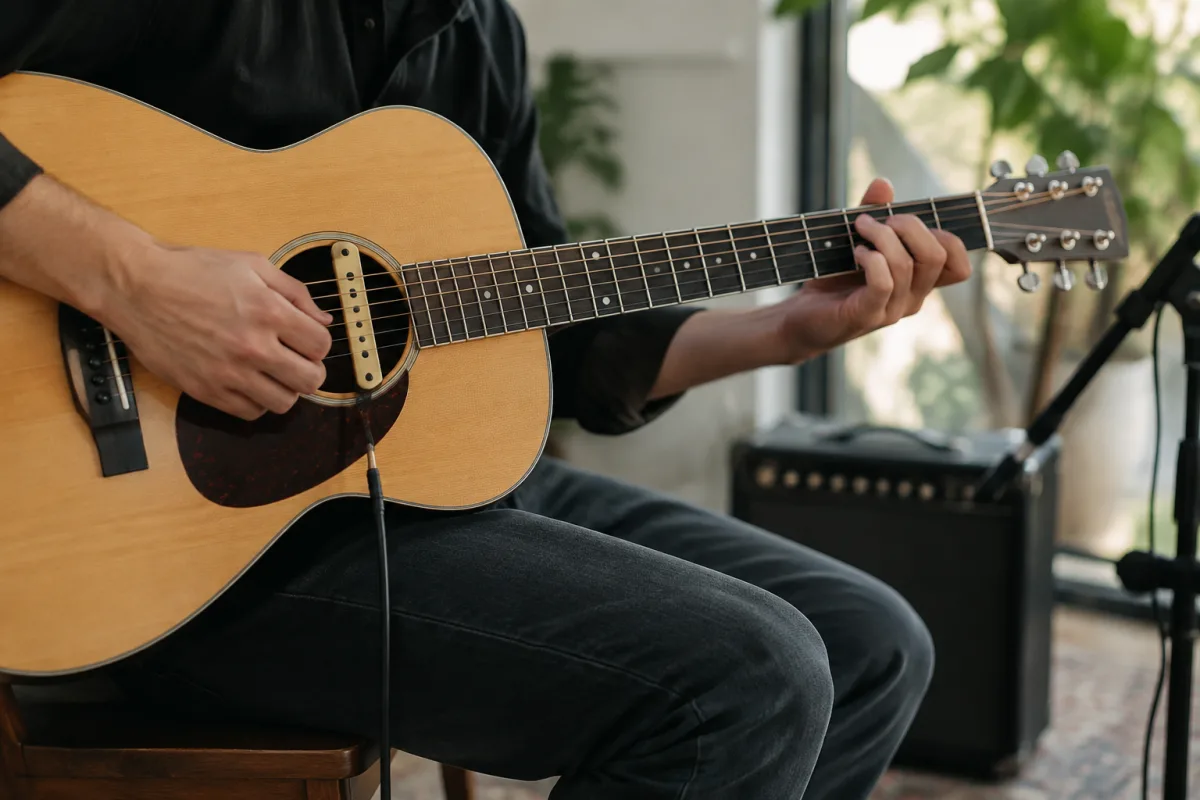
An acoustic-electric guitar from Epiphone offers the perfect entry point into amplified acoustic playing, combining the brand's heritage of affordability and playability with the versatility of built-in electronics. Whether you're performing live venues, recording in a bedroom studio, or transitioning from acoustic to amplified settings, an Epiphone acoustic-electric delivers professional tone without the premium price tag of a high-end instrument. The brand has spent decades proving that excellent acoustics and reliable amplification don't require spending a fortune.
Why Choose an Epiphone Acoustic-Electric?
Epiphone, owned by Gibson, has earned a reputation for delivering genuine quality at accessible prices. Their acoustic guitars feature solid wood tops (in many models), traditional bracing designs, and careful set-ups that result in warm, balanced tone comparable to instruments costing twice as much. Add a pickup system and preamp, and you've got an instrument ready for live performance or studio recording without significant investment.
The built-in electronics on Epiphone models typically include a piezo pickup under the bridge and a three-band EQ preamp, allowing you to shape your tone on stage or in the recording booth. Some premium models add features like tuners, D-TAP connections for silent performance, or onboard reverb. The quality of these electronics has improved significantly over the years—early Epiphone preamps were basic, but modern iterations deliver usable tone that's improved with each generation.
Popular Epiphone Acoustic-Electric Models
Several Epiphone ranges have become trusted choices for players at every level:
- Epiphone EJ series: Dreadnought design, solid Sitka spruce top, on-board preamp. The entry-level workhorse. Excellent for beginners and travelling musicians who want reliability without breaking the bank.
- Epiphone DR series: Refined dreadnoughts with better tone-woods and preamps than the EJ line. Solid mid-range option for players ready to invest a bit more.
- Epiphone AJ series: Jumbo design for maximum volume and projection. Suits fingerstyle players and those who want a bigger acoustic footprint.
- Epiphone Casino Coupe: Semi-hollow body design with a more intimate, woody tone. Popular with folk and singer-songwriter players who want an acoustic with electric feel.
- Epiphone Texan: Gibson's iconic dreadnought reimagined by Epiphone. Larger body, deep tone, and plenty of presence.
Key Specifications to Evaluate
When comparing models, focus on these elements:
| Specification | What It Affects | What To Look For |
|---|---|---|
| Top wood | Overall tonal character and warmth | Solid Sitka spruce is ideal; laminate is acceptable at entry level but lacks resonance of solid wood. |
| Body size | Volume and projection | Dreadnoughts suit most styles. Jumbos project more; concert sizes are more comfortable for smaller players. Audition in person if possible. |
| Pickup type | How your tone translates through amplification | Piezo pickups under the bridge are standard and reliable. Some premium models add magnetic pickups or more sophisticated systems. |
| Preamp features | On-stage tone control and flexibility | A basic three-band EQ (bass/mid/treble) is sufficient. Premium models may add mid-sweep controls or built-in tuners. |
| Build quality | Playability, longevity, resale value | Check frets for consistency, tuning stability, and how the neck feels. Epiphone's quality control varies; inspect your specific instrument before purchasing. |
Playing Comfort and Tone
An Epiphone acoustic tends toward a bright, articulate tone—less bloom than a high-end Martin or Taylor, but more clarity and definition. This suits recording and live venues where you want your playing to cut through a mix. The playability is generally excellent; Epiphone necks are comfortable, and action can be dialled in to individual preference.
The acoustic resonance of an Epiphone depends on age and care. A well-maintained instrument from the late 1990s onwards will open up beautifully with years of playing. Newer Epiphones have improved dramatically in build quality and tone compared to models from 15–20 years ago, so don't automatically assume an older model is better.
The Electronics: Understanding Your Preamp
The preamp on an Epiphone acoustic is your interface between the guitar and amplifier. Most models feature a battery-powered unit with a three-band EQ, volume control, and a 1/4" jack for your cable. Some include a built-in tuner (useful for silent tuning on stage). Premium models may have more sophisticated controls, but a simple three-band EQ is honestly all most players need.
When playing through an amp, start with all EQ at noon (neutral) and adjust only if you need to shape the tone. A slight treble boost can add presence; a bass cut can reduce muddiness in a dense mix. The beauty of a built-in preamp is you can shape your tone without dragging extra gear on stage.
Building a Complete Acoustic-Electric Setup
An Epiphone acoustic-electric performs best when paired with appropriate gear. A dedicated acoustic amp (not a guitar amp) brings out the warmth of an acoustic guitar far better than an electric guitar amp. Brands like Yamaha, Roland, and Fishman make excellent compact acoustic amps starting around £150–£300. A decent instrument cable (nothing fancy required) and a gig bag complete the essentials.
For recording, you can run directly into an audio interface, bypassing an amp entirely. Many engineers prefer the direct signal, as it captures the preamp's character without room noise. Experiment with both approaches to discover your preference.
Value and Longevity
An Epiphone acoustic-electric represents exceptional value. You're investing in a brand with decades of heritage, an instrument that will improve with playing, and electronics reliable enough for touring. Resale value is decent—you'll recover 40–60% of your purchase price if you decide to upgrade later. This makes an Epiphone an excellent first acoustic-electric or stepping stone to a premium instrument.
Conclusion
An Epiphone acoustic-electric guitar opens the door to amplified acoustic playing without the price tag of a premium brand. Whether you're a beginner entering the world of electro-acoustic instruments or an experienced player seeking an affordable, reliable stage tool, an Epiphone delivers genuine quality and versatile tone. Take time to audition different models if possible—each one develops its own character. Choose the one that inspires you to play, and you'll have an instrument that serves you faithfully for years to come.


Comments