


Guitar Epiphone Les Paul article
Guitar Epiphone Les Paul Junior: A Complete Guide
The Epiphone Les Paul Junior strips the Les Paul down to essentials: a single P-90 pickup, straightforward controls, and focused bridge-position tone. A guitar for players who prefer simplicity and character over versatility.
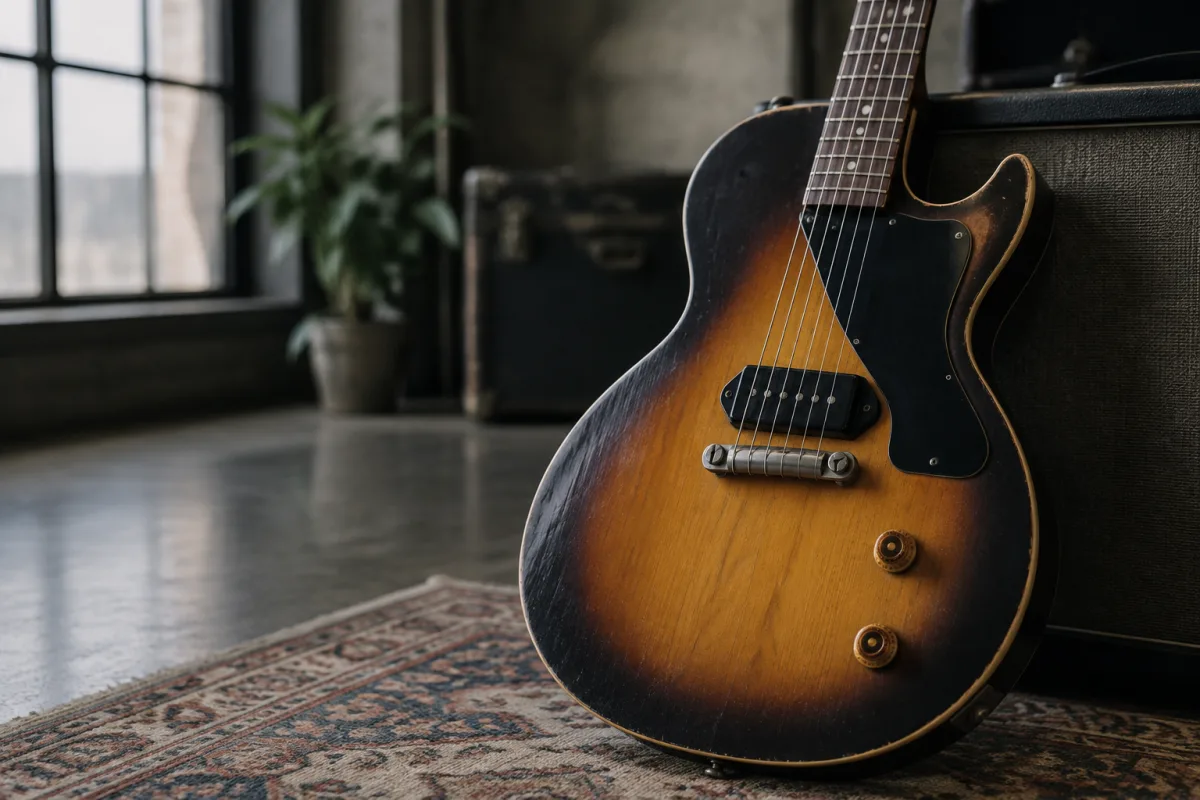
This guitar refuses to overcomplicate things. With a single P-90 pickup, master volume and tone controls, and a wraparound bridge, it strips the iconic design down to its essentials—delivering a focused, direct instrument that punches well above its price point. Whether you're exploring punk, classic rock, blues or garage music, the Epiphone Les Paul offers straightforward musicality and genuine character.
What Is This Model?
The Epiphone Les Paul Junior inherits its design from Gibson's original 1954 version, created as an affordable alternative to the elaborate standard model. This modern incarnation maintains that philosophy: a slab mahogany body, a set mahogany neck, 22 medium-jumbo frets, and a single dogear P-90 PRO pickup mounted directly to the body. No pickup selector, no complex electronics—just pure, uncomplicated signal path from strings to amplifier.
This simplicity is its greatest strength. The design excels because it commits fully to being a one-pickup instrument, rather than apologising for it. Players who choose this guitar deliberately embrace bridge-pickup tone, using volume and tone controls to shape their sound rather than switching between pickups.
Specifications and Build Quality
This model uses a mahogany slab body paired with a 1950s-style set neck construction. The rosewood fingerboard spans 24.75 inches—the classic Gibson scale—with a 12-inch radius and 43mm nut width. Factory strings are .010–.046 gauge, a standard light set suitable for most playing styles.
Available finishes include TV Yellow and Tobacco Burst, both honouring the vintage aesthetic without pretence. Build quality represents solid value: the hardware is durable rather than premium, the finish is clean, and the overall feel is substantial without excess weight.
| Specification | Detail |
|---|---|
| Body | Mahogany, slab construction |
| Neck | Mahogany, glued-in/set neck |
| Scale Length | 24.75 inches (628.65 mm) |
| Fingerboard | Rosewood, 22 frets, 12-inch radius |
| Nut | Graph Tech, 43 mm |
| Pickup | Epiphone P-90 PRO Dogear, single coil |
| Bridge | Lightning Bar wraparound |
| Controls | Master volume, master tone |
| Approximate Price | £479–£529 |
The P-90 Pickup and Its Character
The single P-90 pickup is where this guitar's voice lives. Unlike a typical Fender-style single coil, the P-90 is physically wider and produces a thicker midrange with higher output. It delivers articulate pick attack, responsive dynamics, and a gritty, slightly raw character when pushed through overdrive or high-gain amplification.
The trade-off is hum. As a single-coil design, the P-90 can pick up 50/60 Hz electromagnetic interference, especially on stages with poor grounding or near noisy transformers. This is inherent to the technology—shielding helps, but won't transform it into a humbucker. Many players consider this part of the P-90 charm rather than a flaw.
Bridge-position tone dominates the instrument's voice. Volume-control dynamics become crucial because there is no neck pickup to blend in. Rolling the volume back cleans up overdriven amps whilst retaining body and character. This forces players toward a more intentional, hands-on approach to tone-shaping.
Why Players Choose This Guitar
This model suits several player profiles well. Beginners benefit from its simplicity and straightforward signal path—nothing hides the connection between playing and sound. Punk and garage-rock players appreciate the focused bridge tone and lightweight construction. Blues musicians use its volume-control responsiveness to shift between clean and overdriven textures seamlessly.
Recording musicians often favour this instrument for its defined character. A single pickup recorded closely produces a distinctive texture that cuts through mixes naturally. The limited tonal palette becomes an advantage rather than limitation, creating cohesive, characterful tracks without requiring extensive tweaking.
The guitar also appeals to players as a modification platform. Enthusiasts routinely upgrade the pickup, tuning machines, bridge, wiring and pots, using this design as a foundation for bespoke instruments. The solid construction accepts modifications well.
Setup and Maintenance
A professional setup optimises this model's performance. Key areas include truss-rod adjustment, bridge-height check, nut-slot inspection, intonation verification at the 12th fret, and pickup-height adjustment. P-90 height matters significantly—raising it increases output and midrange but can reduce clarity; lowering it improves note separation.
The wraparound bridge is simpler than a modern Tune-o-matic, which means easier maintenance but less intonation flexibility. Before purchasing used examples, verify saddle compensation, string height at the first and 12th frets, and whether the bridge shows movement or looseness. A properly set-up instrument intonates effectively across the neck.
Routine care involves gentle cleaning, occasional fretboard conditioning, and checking hardware tightness. The mahogany body benefits from occasional conditioning to maintain finish and prevent drying. Strings should be replaced every 2–3 months depending on playing frequency and style.
Buying Considerations and Alternatives
New models from Epiphone carry specification consistency across units, though vintage and used versions vary substantially. Earlier iterations included bolt-on necks, humbucker pickups, and alternative body materials. When buying used, verify the exact construction, pickup type, and neck join before committing.
Alternative single-pickup platforms include the Epiphone Les Paul Special (usually with two P-90s), the Epiphone SG Special P-90, and vintage Gibson versions. Each offers distinct body shape, balance, and upper-fret access. This slab-body design and aggressive bridge tone suit specific aesthetics and sounds better than lookalikes.
For budget-conscious buyers, this model positions well against similarly priced alternatives. The set-neck construction, established brand reputation, and straightforward design justify the investment for players seeking genuine capability rather than gadgetry.
Conclusion
The Epiphone Les Paul Junior is a guitar for players who know what they want. It delivers direct, characterful bridge-pickup tone, encourages hands-on volume-control dynamics, and refuses unnecessary complexity. Whether you're recording punchy rock textures, playing blues with aggressive overdrive, or exploring garage rock's stripped-down aesthetic, this model offers genuine personality and musical utility without excess cost. Choose an Epiphone Les Paul Junior when simplicity and focus matter more than versatility.





Comments