
Epiphone Les Paul Junior article
The Complete Guide to Epiphone Les Paul Junior
The Epiphone Les Paul Junior brings the legendary Les Paul design within reach of affordable electric guitar shopping. Discover its distinctive warm tone, heritage and why it's an excellent choice for beginners and professionals alike.
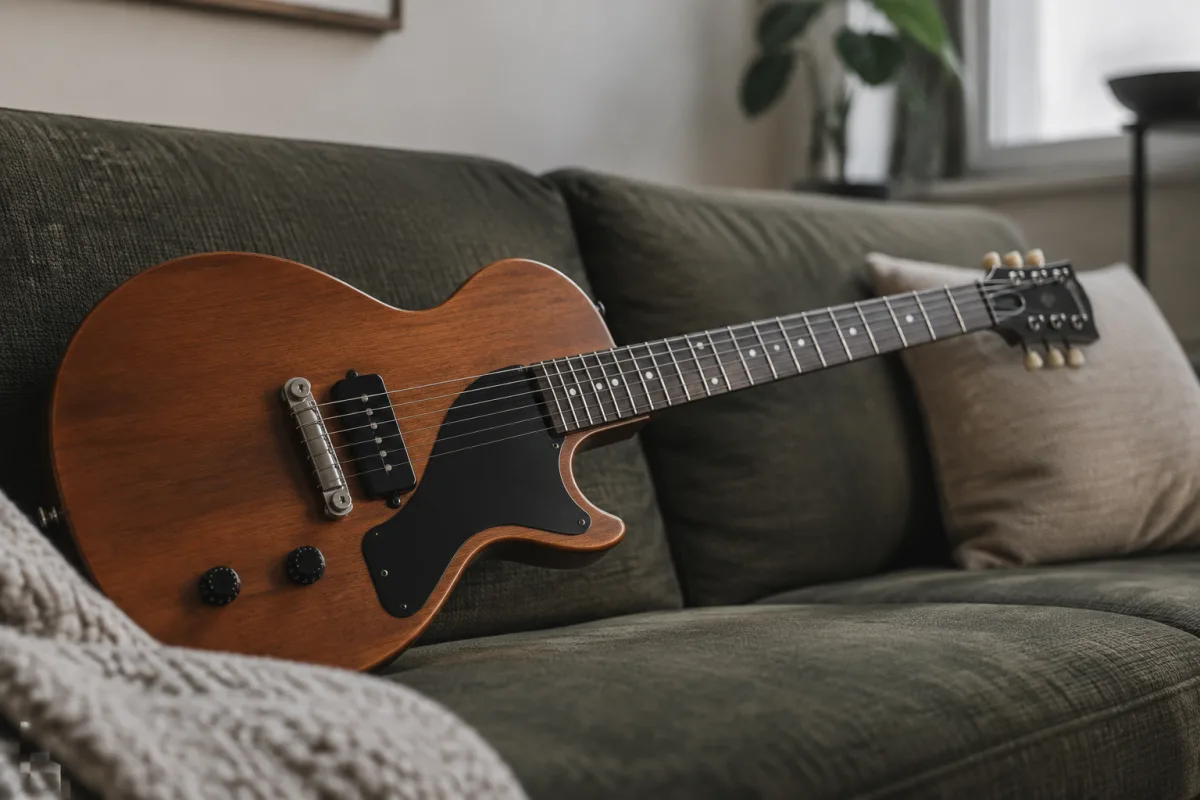
The Epiphone Les Paul Junior represents an accessible entry point into the world of solid-body electric guitars, delivering classic Epiphone quality and that iconic Les Paul silhouette without the premium price tag. For decades, it has been the gateway guitar for countless players transitioning from acoustic to electric, and remains a sensible choice for beginners, bedroom musicians and gigging professionals alike. This guide explores what makes the Epiphone Les Paul Junior distinctive, what to expect from its performance, and whether it's the right instrument for your needs.
The Les Paul Junior Heritage
The Epiphone Les Paul Junior sits within a lineage stretching back to the original Gibson Les Paul Junior, introduced in the 1950s as an affordable alternative to the full-specification Les Paul. The Junior model has always emphasised playability and character over elaborate features, and that philosophy remains at the heart of the modern Epiphone version.
Epiphone, owned by Gibson, manufactures instruments under the same quality standards and design principles as its parent company, but at a price accessible to working musicians and students. The Les Paul Junior exemplifies this approach—solid construction, genuine tone and the unmistakable Les Paul aesthetic without the five-figure investment.
Construction and Hardware
The Epiphone Les Paul Junior features a solid mahogany body with a maple top, delivering the warmth and sustain associated with Les Paul guitars. The neck is mahogany as well, with a rosewood fingerboard and nickel-silver frets. This combination of tonewoods has proven itself in countless recording studios and live venues.
Hardware is straightforward and effective. The guitar typically ships with Epiphone's own-brand pickups, a simplified control layout (usually just volume and tone controls with a three-way pickup selector), and a sturdy bridge. Whilst you won't find boutique components or elaborate switching systems, the hardware does its job reliably, and many players upgrade pickups as their first modification for enhanced tone.
Sound Character
The Epiphone Les Paul Junior delivers a warm, thick tone characteristic of the Les Paul design. The mahogany body and neck contribute midrange warmth and natural sustain, making the guitar musical for blues, rock, soul and heavy music alike. It's a forgiving instrument—difficult to make sound bad, even with extreme control settings or unconventional playing techniques.
Clean tones are warm and woody rather than crystalline. When pushed through overdrive or distortion, the guitar responds with punchy low-end and defined midrange that cuts through a mix. Many players favour the Epiphone Les Paul Junior for exactly this character—it's not sterile or overly bright, but musical and expressive.
Playability and Comfort
The Les Paul body shape is substantial and comfortable when seated. Whilst not as light as modern superstrat designs, the Epiphone Les Paul Junior balances mass with ergonomic contours that feel natural across a range of playing styles and body types. Standing up, the weight is manageable for extended performances, though not as featherweight as some alternatives.
The neck profile is typically quite generous—thicker than modern slender necks, but comfortable for players with larger hands. Fret access at the higher positions is good, though the deep body cutaway doesn't match guitars designed specifically for lead work in the upper registers. For rhythm playing and general soloing, it's perfectly adequate.
Epiphone Les Paul Junior Models and Variations
Epiphone has produced several iterations of the Les Paul Junior over the years. Common configurations include:
- Single Pickup Model — A bare-bones, affordable version with one pickup (usually a P-90 or similar), echoing the original Junior design.
- Dual Pickup Model — The more common contemporary version with two pickups, providing greater tonal flexibility and a three-way selector.
- Special Edition Finishes — Epiphone periodically releases Les Paul Juniors in various colours and finishes, often with minor hardware or cosmetic variations.
- Limited Runs and Artist Editions — Occasional signature or special models endorsed by known players or bearing unique specs.
Picking the Right Epiphone Les Paul Junior for You
Consider these factors when evaluating whether an Epiphone Les Paul Junior suits your needs:
| Factor | What to Consider |
|---|---|
| Budget | The Epiphone Les Paul Junior is one of the most affordable solid-body electrics, making it ideal if cost is a primary concern. Second-hand prices drop further, often representing excellent value. |
| Aesthetic Preference | If you love the Les Paul shape and the idea of an iconic guitar but can't justify Gibson pricing, Epiphone delivers the look and much of the substance. |
| Tonal Goals | The warm, thick tone suits blues, rock, funk and heavy music. If you need pristine, cutting-edge clean tones or ultra-bright characteristics, look elsewhere. |
| Upgrade Path | The Epiphone Les Paul Junior is known for accepting aftermarket pickups well. If you plan to customise and upgrade over time, this guitar is an excellent canvas. |
| Physical Comfort | Test before purchasing if possible. The weight and neck profile suit some players perfectly and others less so. |
Upgrades and Customisation
Many players begin with a stock Epiphone Les Paul Junior and gradually upgrade components to refine the tone and performance. Common modifications include:
- Swapping stock pickups for boutique alternatives (Seymour Duncan, DiMarzio, Lollar)
- Upgrading the wiring and capacitors for cleaner control response
- Improving the bridge (Tune-o-Matic style upgrades or roller bridges)
- Adjusting the nut for improved intonation and playability
- Refinishing or painting the body for personal aesthetics
This upgrade-as-you-go approach is one of the strengths of the Epiphone Les Paul Junior—it provides a solid foundation that responds well to enhancements, allowing players to invest gradually as their skills and budget permit.
Epiphone Les Paul Junior in Professional Contexts
Despite its affordable price, the Epiphone Les Paul Junior has appeared in professional recording studios and on major touring stages. Session musicians and touring players often keep one as a reliable backup, and indie and alternative artists frequently make it their primary instrument. The guitar's proven track record and unmistakable character have earned it respect far beyond its price point.
Value and Longevity
Epiphone instruments hold value reasonably well on the second-hand market. An Epiphone Les Paul Junior typically resells for 50–70% of its original retail price, depending on condition and age. This moderate depreciation makes it a sensible choice if you're uncertain about long-term commitment, as you can usually recover a fair portion of your investment if you decide to move on.
Conclusion
The Epiphone Les Paul Junior is an intelligent choice for players seeking the iconic Les Paul aesthetic, warm and musical tone and proven reliability without paying Gibson prices. Whether you're a beginner taking your first steps into electric guitar, a bedroom producer building a home recording setup or an established player looking for an affordable workhorse, the Epiphone Les Paul Junior delivers genuine character and playability. Its warm, thick tone, comfortable playability and robust construction make it an instrument that rewards careful playing and invites creative exploration. Add the potential for future upgrades and customisation, and you have a guitar capable of serving players for years as their skills and needs evolve.


Comments