
Epiphone Les Paul Gibson article
The Complete Guide to Epiphone Les Paul Gibson
An Epiphone Les Paul delivers authentic Les Paul character and iconic design at a fraction of Gibson's cost—making it an intelligent choice for learners and working musicians.
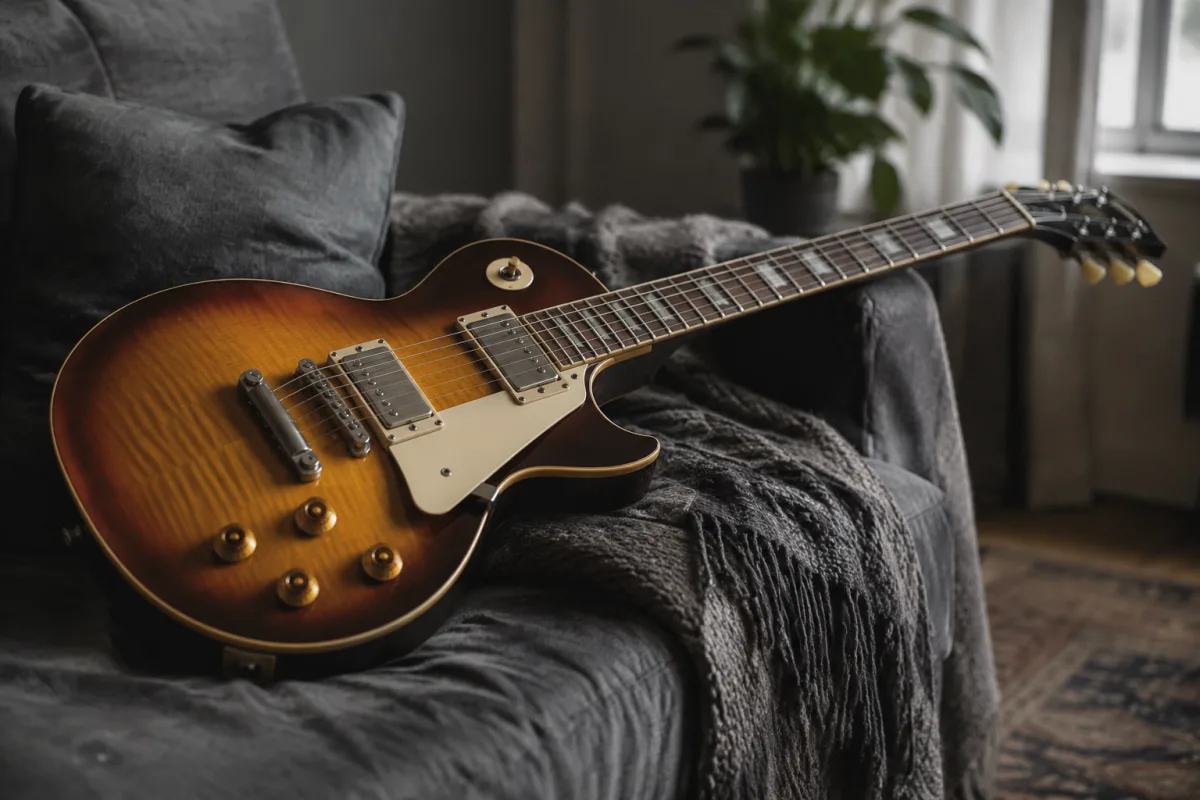
The Epiphone Les Paul stands as one of the most accessible entries into solid-body electric guitar ownership, offering a genuine pathway to Les Paul heritage without the eye-watering price of a Gibson original. Since Epiphone became a Gibson subsidiary, their Les Paul models have improved dramatically, delivering surprisingly authentic tone, playability and aesthetics at prices accessible to amateur musicians and professionals seeking backup instruments. If you're considering an Epiphone Les Paul or wondering how it compares to Gibson's flagship model, this guide illuminates what you're getting and whether it suits your needs.
Epiphone and Gibson: The Relationship
Epiphone, originally an independent American guitar manufacturer, became a Gibson subsidiary in 1957. For decades, Gibson used the Epiphone name to produce affordable guitars targeted at budget-conscious players. More recently, particularly after modern restructuring, Epiphone has evolved from a simple budget brand into a legitimate sub-brand offering surprisingly capable instruments. Today, an Epiphone Les Paul represents thoughtful value engineering rather than cost-cutting compromise.
Epiphone Les Paul Models and Ranges
Entry-Level and Special Editions
Budget Epiphone Les Paul models (typically under £300) serve as affordable first guitars for learners and experimental musicians. These instruments feature simplified electronics, basic finishes and construction shortcuts, but they're playable and legitimate learning tools. An entry-level Epiphone Les Paul captures the iconic silhouette and feel without astronomical cost.
Mid-Range Standard and Plus Models
Mid-range Epiphone Les Paul guitars (£400–800) represent the sweet spot for value. These models feature better wood quality, improved electronics, more finish options, and hardware that survives gigging. An Epiphone Les Paul at this price point attracts working musicians who value the iconic look and respectable tone without justifying a £3,000+ Gibson investment.
Premium Epiphone Les Paul Guitars
Higher-end Epiphone Les Paul models (£1,000–2,000) blur the line between Epiphone and entry-level Gibson. These instruments feature refined construction, quality electronics, premium finishes and hardware that rivals affordable Gibson models. An Epiphone Les Paul in this category makes sense for professionals seeking a backup instrument or musicians who want authentic Les Paul character without Gibson's premium pricing.
Construction and Materials
Modern Epiphone Les Paul guitars use mahogany bodies and necks (like Gibson), though wood quality and seasoning differ. An Epiphone Les Paul body is lighter and slightly less resonant than a Gibson equivalent, partly due to thinner wood and different construction tolerances. The electronics generally use simpler pickup designs and wiring than Gibson's hand-wired approach.
Where an Epiphone Les Paul genuinely lags is fret quality and neck finishing. Gibson's meticulous fret work and neck shaping exceed most Epiphone models—though premium Epiphone instruments close this gap substantially. Many players upgrade an Epiphone Les Paul's electronics and hardware whilst accepting the inherent construction differences.
Sound and Tone
An Epiphone Les Paul sounds noticeably different from a Gibson, particularly when played clean. The lighter wood, simpler pickups and budget-friendly construction produce a thinner, slightly brighter tone. This isn't inherently inferior—many players prefer the Epiphone's character. Driven through distortion and overdrive, the tonal differences narrow considerably; both guitars deliver satisfying crunch.
Modern Epiphone pickups, particularly in higher-end models, have improved dramatically. Current Epiphone designs capture authentic humbucker character far better than older budget Epiphones. An Epiphone Les Paul today sounds respectable enough for studio recording, live performance and home practice.
Playability and Feel
An Epiphone Les Paul feels heavier than you might expect—the body weight is substantial and neck-heavy, just like a Gibson. This similarity can mislead—many players assume cheap guitars play poorly, but modern Epiphone quality has improved such that playability is often excellent. Fret work quality varies by model; premium Epiphones rival affordable Gibsons, whilst budget models may need professional fret levelling to achieve perfect intonation.
Epiphone Les Paul vs. Gibson Les Paul: The Trade-Offs
| Aspect | Epiphone Les Paul | Gibson Les Paul |
|---|---|---|
| Price | £300–2,000 | £1,500–5,000+ |
| Wood Quality | Decent mahogany, variable | Premium selected wood |
| Electronics | Simpler pickups, basic wiring | Hand-wound pickups, meticulous wiring |
| Fret Work | Acceptable to good | Exceptional precision |
| Tone | Respectable, slightly thin | Rich, warm, sustaining |
| Resale Value | Poor (depreciates quickly) | Strong (holds value well) |
| Collector Appeal | Minimal | High (especially vintage) |
Who Should Consider an Epiphone Les Paul?
- Budget-Conscious Beginners: An entry-level Epiphone Les Paul teaches fundamental guitar skills without requiring a major financial commitment. The iconic shape inspires practice.
- Working Gigging Musicians: A mid-range Epiphone Les Paul serves as a reliable backup for touring musicians who can't risk a £4,000 Gibson on the road, or for genre-specific work requiring multiple instruments.
- Professionals Seeking Recording Tone: Some producers prefer Epiphone's brighter character in studio mixes. The different tone adds variety to layered guitar work.
- Musicians Exploring the Genre: If you're curious about classic rock and want to experiment with Les Paul tone without commitment, an affordable Epiphone Les Paul is sensible.
- Collectors on a Budget: Whilst Epiphone Les Pauls lack collector appeal, musicians who appreciate the iconic design can own one without Gibson's sticker shock.
Upgrades and Modifications
Many musicians buy an Epiphone Les Paul and upgrade components. Swapping the pickups for quality aftermarket humbucker designs yields immediate tone improvement. Upgrading the electronics (capacitors, pots, switches) costs little but reduces noise and improves responsiveness. Professional fret work and a skilled setup transform playability. These investments can push total cost toward budget Gibson territory, but you own a guitar tailored to your preferences.
The Verdict
An Epiphone Les Paul represents smart value for players seeking authentic Les Paul character and aesthetics without Gibson's premium. Entry-level models suit learners and experimenters. Mid-range instruments serve gigging musicians and professionals seeking reliable backup guitars. Premium Epiphone models approach Gibson quality at somewhat lower cost, making them sensible choices for particular applications. The classic Les Paul silhouette, respectable tone, and improving build quality make modern Epiphone Les Paul guitars genuinely worthwhile considerations for any guitarist serious about the model.


Comments