
Epiphone Les Paul Custom article
The Complete Guide to Epiphone Les Paul Custom
The Epiphone Les Paul Custom stands as one of the most iconic electric guitars at an accessible price point, delivering exceptional tone and playability.
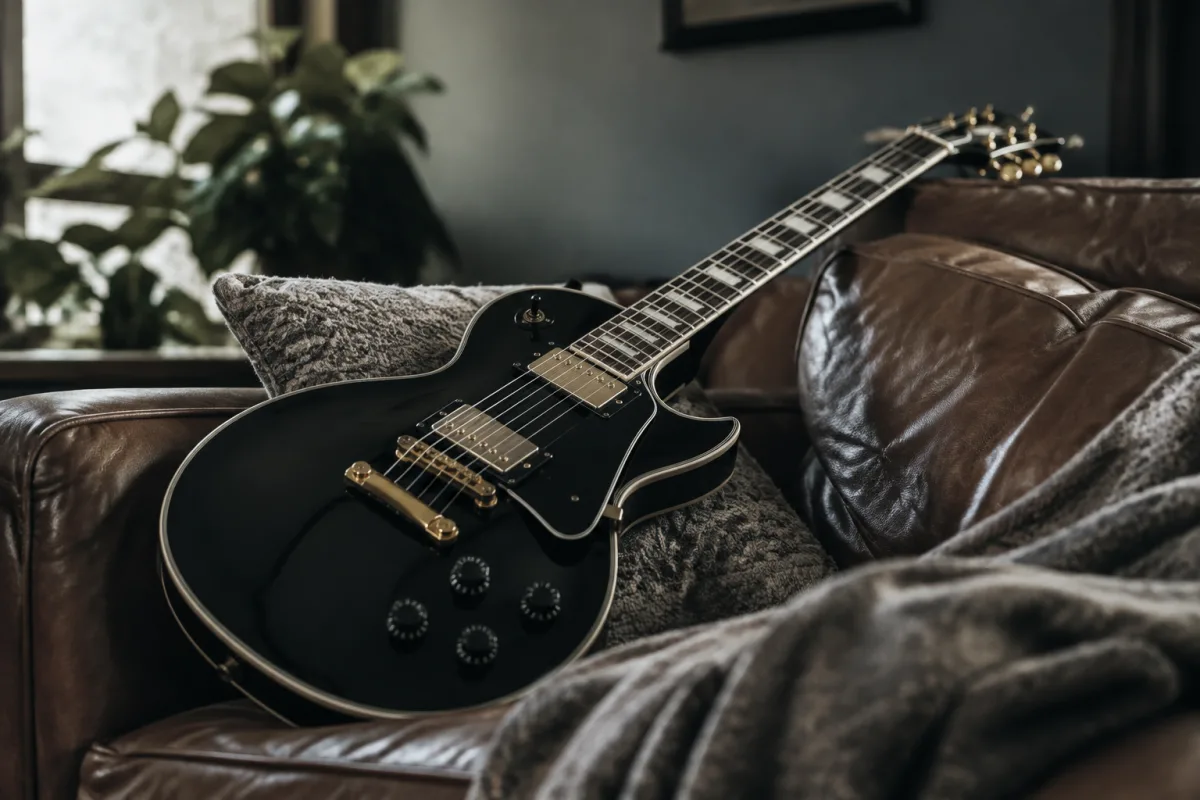
The Epiphone Les Paul Custom stands as one of the most iconic and sought-after electric guitars at an accessible price point. Crafted with meticulous attention to detail, this instrument captures the essence of its Gibson counterpart whilst remaining within reach of budget-conscious musicians and seasoned professionals alike. Whether you're a bedroom musician exploring your first serious electric guitar or an experienced player seeking a reliable workhorse, this model delivers exceptional tone, stunning visual appeal, and genuine playability that belies its moderate cost. For decades, this guitar has graced the stages of rock clubs, studios, and concert halls worldwide, earning its reputation as a sensible choice for anyone serious about electric guitar.
Understanding the Epiphone Les Paul Custom
The Epiphone Les Paul Custom represents Gibson's entry-level approach to the legendary Les Paul design. Epiphone, Gibson's sister brand owned by the same parent company, manufactures these instruments with careful quality control and genuine craftsmanship. This model features the unmistakable body shape, elegant curves, and aggressive aesthetic that made the original famous. The guitar's body combines solid mahogany construction with a maple top, creating a foundation renowned for sustain, warmth, and tonal character. This particular instrument has become a staple in the guitars category, appealing to players across numerous musical genres including rock, blues, metal, and beyond.
Construction and Build Quality
Every Epiphone Les Paul Custom begins with carefully selected tonewoods. The solid mahogany body provides the fundamental warmth and resonance that Les Paul guitars are famous for, whilst the maple top layer adds brightness and definition to the overall tone. The guitar's set neck construction—where the neck is glued permanently to the body rather than bolted—enhances sustain and tonal transfer. This traditional manufacturing method shows Epiphone's commitment to authentic guitar building. The headstock mirrors the iconic Gibson design, featuring three tuning machines on each side and the distinctive Les Paul logo. Hardware includes quality bridge and tailpiece components, whilst various models offer different pickup configurations depending on your chosen spec.
Pickup Options and Tonal Character
Epiphone offers several pickup configurations on the Les Paul Custom, allowing you to select the sonic palette that suits your playing style. Most standard models feature dual humbucker pickups—typically Epiphone's proprietary ceramics or alnico designs. These pickups deliver the warm, thick tone players expect, with excellent sustain and minimal hum in live or recording situations. The neck pickup provides warmth ideal for jazz and blues phrasing, whilst the bridge pickup offers aggression perfect for rock and metal applications. Some models include upgraded pickups like the Alnico Classic configuration, providing enhanced clarity and nuance for discerning players. Regardless of pickup choice, this guitar maintains the fundamental tonal characteristics that make it so versatile across musical genres.
Playability and Comfort
Despite its substantial visual presence, this guitar sits comfortably in your hands during both sitting and standing play. The body's classic curves distribute weight evenly, reducing fatigue during extended practice sessions or performances. The neck profile—typically a slim-to-moderate 'D' shape—suits a wide range of hand sizes and playing techniques. Fret access to the upper registers benefits from the sharp cutaway horn, allowing comfortable navigation of high frets without awkward hand repositioning. Standard specifications include a rosewood fingerboard with dot inlays, providing visual clarity and responsive feel under your fingertips. The overall playability makes the Epiphone Les Paul Custom an excellent choice whether you're learning advanced techniques or exploring new musical territory.
Aesthetic Appeal and Finishes
Few guitars rival the visual impact of this instrument. The traditional gloss finish—most commonly available in black, wine red, or white—showcases the guitar's elegant curves and dramatic body shape. The black finish remains the most iconic, evoking decades of rock history and professional performances. The bound edges around the body and headstock add a touch of sophistication, whilst the multi-ply binding provides subtle visual depth. Some players appreciate the contrast between the dark finish and bright fretboard markers. Custom shop editions occasionally offer exotic finishes like cherry sunburst or natural, for players seeking something beyond the standard palette. Regardless of finish choice, the Epiphone Les Paul Custom commands attention in any setting, whether in the rehearsal studio or on stage under professional lighting.
Specifications Comparison Table
| Feature | Epiphone Les Paul Custom | Gibson Les Paul Custom |
|---|---|---|
| Body Wood | Mahogany with maple top | Mahogany with maple top |
| Neck Joint | Set neck | Set neck |
| Pickups | Epiphone humbuckers (various specs) | Gibson Custom pickups |
| Fingerboard | Rosewood with dot inlays | Rosewood with block inlays |
| Price Range | £300–£500 | £2,500–£5,000+ |
| Tonal Character | Warm, thick, sustaining | Premium warmth, clarity |
Suitability for Different Playing Styles
This guitar accommodates a surprisingly diverse range of musical genres and playing approaches. Rock and classic rock players gravitate toward the Epiphone Les Paul Custom for its thick sustain and harmonic richness, particularly in blues-influenced solos and power chords. Metal players appreciate the bridge pickup's aggressive character and this instrument's ability to cut through dense band mixes. Jazz and blues musicians value the neck pickup's warm, articulate voice for complex phrasing and subtle dynamics. Even folk and indie rock players find its tonal versatility appealing, as it responds beautifully to fingerpicking and open tunings. This remarkable versatility explains why the Epiphone Les Paul Custom remains popular across such wide stylistic territory.
Maintenance and Long-Term Care
Keeping your Epiphone Les Paul Custom in excellent condition requires basic regular maintenance. Clean the fingerboard monthly with a soft cloth, occasional lemon oil, and gentle pressure to prevent grime buildup. Store it in a stable temperature and humidity environment, ideally using a proper guitar case or stand. Change strings approximately every three to six months depending on playing frequency and personal preference. Have the truss rod checked annually by a professional technician to ensure proper neck geometry, particularly if the guitar experiences significant temperature or humidity changes. These straightforward care steps preserve your investment and maintain this instrument's excellent playability and tonal qualities throughout its lifespan.
Value Proposition and Investment
This guitar offers remarkable value for money compared to its Gibson equivalent. You receive authentic Les Paul design, quality construction, and genuine playability at less than one-fifth the price of a comparable Gibson model. This democratisation of the Les Paul design means serious musicians no longer need unlimited budgets to own a proper, professional-grade instrument. Many working session musicians and touring performers favour the Epiphone Les Paul Custom precisely because they gain maximum tonal and stylistic capability whilst protecting expensive Gibson models for studio-only work. This practical approach to instrument selection reflects real-world musician priorities: capability, reliability, and value matter more than prestigious brand badges.
Conclusion
The Epiphone Les Paul Custom represents a triumph of accessible guitar design and manufacturing. This instrument delivers authentic Les Paul character, impressive build quality, and genuine playability at a price that respects musician budgets. Whether you're beginning your electric guitar journey or adding to an established collection, it offers exceptional long-term value and satisfaction. Its heritage spans decades of stage use, studio recordings, and bedroom practice sessions worldwide. The Epiphone Les Paul Custom remains a sensible choice for anyone seeking a reliable, tonally versatile electric guitar that looks as good as it sounds.


Comments