
Strap Electric Guitar article
The Complete Guide to Strap Electric Guitar
The right strap transforms how an electric guitar feels during play. This guide covers materials, comfort, durability, and features that matter when choosing a strap for your electric guitar.
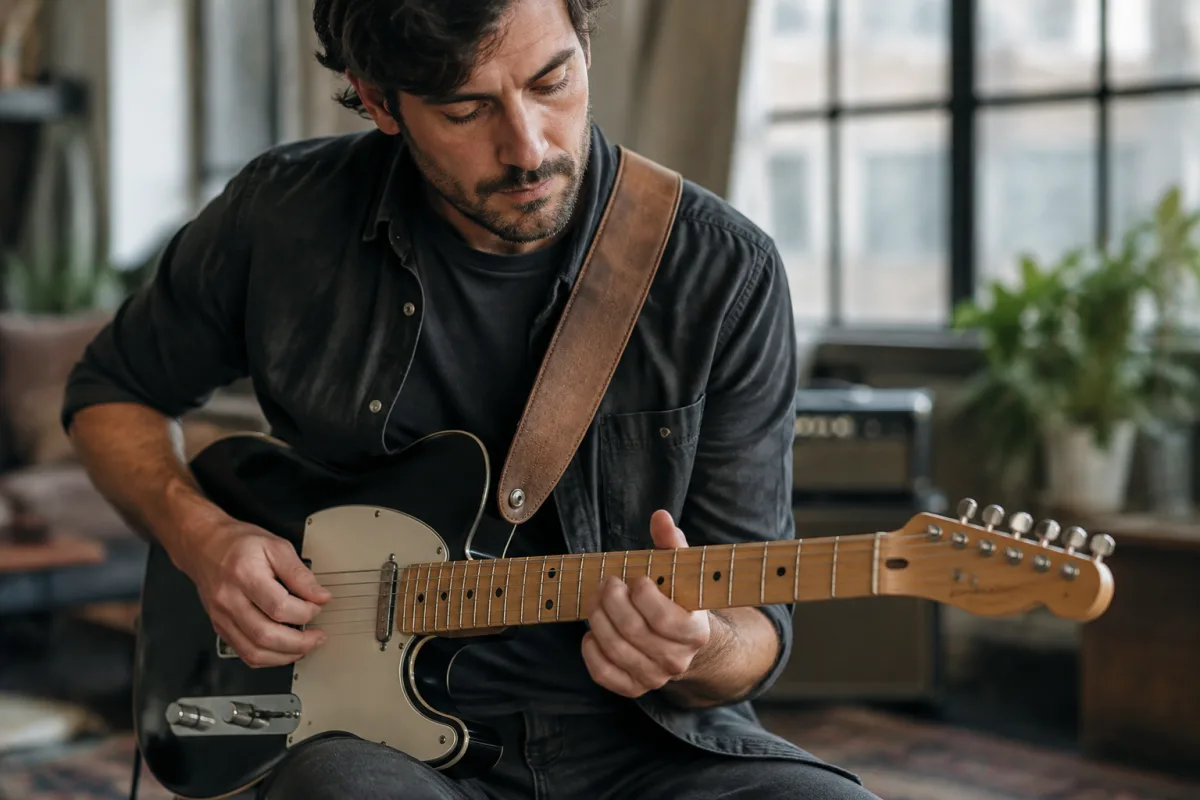
A good strap for your electric guitar transforms how you play. The right strap sits comfortably during hours of playing, distributes the weight evenly, stays in place when you move energetically, and lets you focus entirely on your music rather than worrying about equipment slipping. A bad strap creates shoulder pain, neck strain, and frustration that ruins your playing. This guide walks you through choosing the perfect strap for your electric guitar—covering materials, comfort, durability, and the specific features that matter when you're playing live or practising seriously.
Why the Strap Matters for Your Electric Guitar
Many guitarists overlook the strap as just a piece of fabric holding up their instrument. In reality, a quality strap for your electric guitar is essential equipment that directly affects how long you can play comfortably. When you're holding an electric guitar properly via the strap, your hands are free to focus on technique rather than supporting weight. This freedom allows better playing dynamics and prevents fatigue that limits your practice sessions.
A poor strap creates chronic problems. Thin, cheap straps dig into your shoulder. Narrow straps concentrate all weight into a small area, causing pain. Straps that slip let your guitar twist during play, forcing your shoulders to compensate. Over time, bad strap choices cause shoulder and neck issues that extend beyond playing. Investing in a proper strap for your electric guitar is preventative healthcare for your body.
Material Options: Leather vs. Synthetic vs. Cotton
Leather straps for electric guitars offer classic comfort and durability. Quality leather develops a rich patina over time, conforms to your body, and distributes weight superbly. Leather breathes better than many synthetic materials, staying more comfortable during extended play sessions. The downside is cost—premium leather straps run £40 and upward—and they require occasional conditioning to maintain suppleness.
Synthetic nylon and polyester straps for electric guitars cost less, dry quickly if you sweat, and require minimal maintenance. They're durable and practical for gigging musicians who need reliable, low-maintenance gear. Some synthetic straps match or exceed leather comfort through careful padding and construction, though the best feel different under your body than genuine leather.
Cotton straps for electric guitars are breathable and typically affordable, but lack the durability and support of leather or quality synthetics. They work for casual players and home studios, but wear quickly under regular use and don't distribute weight as effectively as better materials. If comfort during long sessions matters to you, avoid pure cotton.
Width and Weight Distribution
Wider straps for electric guitars distribute weight across a larger area, reducing shoulder strain significantly. Most electric guitar straps range from two to four inches wide. Heavier guitars benefit dramatically from wider straps—a quality two-inch strap transforms how a heavy instrument feels during long sets. If you play a lightweight electric guitar, a narrower strap works fine, but wider is never wrong.
The padding under the strap matters as much as the top surface. A strap for your electric guitar with no padding or thin padding transfers pressure directly to your shoulder. Quality padding absorbs impact and redistributes weight, making extended play possible. When evaluating straps, press the padding—if it bottoms out easily, it won't provide adequate support through a two-hour gig.
Some premium straps for electric guitars feature contoured padding that matches shoulder anatomy better than simple straight padding. These cost more but reduce shoulder strain noticeably, especially for larger guitarists or those carrying heavier instruments.
Attachment Mechanisms: Pin vs. Button vs. Strap Lock
Traditional pin attachments are simple and reliable. A small pin passes through the strap's hole and sits in a strap pin on the guitar body. This method works fine for casual playing but carries risk during energetic performances—the strap can slip off if the pin shifts slightly. Many performers avoid pin attachments for anything but bedroom playing.
Button attachments use a button sewn through the strap hole that sits in the guitar's strap button. This provides slightly more security than pins but still offers no lock. For live performance, a dropped guitar caused by a slipped strap is a genuine risk with standard buttons.
Strap locks—specialised attachments that clamp the strap firmly to the guitar—are essential for gigging musicians. Schaller straplocks and similar systems cost £15 to £30 installed but eliminate slippage entirely. If you play live at all, strap locks should be non-negotiable on your electric guitar. They've prevented countless guitars from hitting stages and floors during energetic performances.
Length Adjustability and Comfort
Most straps for electric guitars offer significant length adjustment, typically ranging from around 38 inches to over 50 inches when fully extended. Some adjustment is essential for playing comfort. The guitar should sit at a position where your hands naturally fall on the fretboard and your shoulders stay neutral and relaxed.
Sitting down versus standing up changes your ideal strap length. When adjusting a strap for your electric guitar, consider how you'll actually play the instrument. If you play sitting and standing equally, choose a strap that adjusts easily and quickly. Premium straps feature sliders or mechanical adjusters that allow instant length changes mid-set without resetting everything.
Some specialty straps for electric guitars include telescoping or extending mechanisms that let you shift length instantly without removing the guitar. These cost more but provide flexibility for musicians who alternate between sitting and standing during performances.
Durability and Construction Quality
A quality strap for your electric guitar features strong stitching throughout, with reinforced attachment points where stress concentrates most. Examine the seams carefully when choosing a strap—clean, tight stitching on both sides indicates quality. Poor seams fail eventually, leaving you stranded at gigs.
The attachment holes themselves should be reinforced with grommets or stitched reinforcement. A strap that's been sewn properly can handle years of hard use. Check whether adjusters are riveted securely rather than merely glued. Test the attachment buttons or pins to ensure they're robust enough to support your guitar's full weight indefinitely.
Weather and sweat exposure damage straps over time. Leather can handle moisture better if properly maintained. Synthetic straps resist sweat and moisture more reliably but can degrade under extreme conditions. For touring musicians, consider how a strap for your electric guitar will hold up under real-world conditions—wet venues, sweaty nights, repeated travel.
Aesthetics and Personal Expression
A strap for your electric guitar expresses your musical personality. Classic leather straps look timeless and professional. Colourful fabric straps make bold statements. Vintage straps with unique patterns stand out visually. Your choice of strap contributes to your overall stage presence.
Some musicians collect multiple straps for their electric guitar, matching different instruments or changing aesthetics for specific performances. This flexibility works if budget allows. At minimum, choose a strap that you find visually appealing—you'll be looking at it frequently during practice and performance.
Budget Considerations
Entry-level straps for electric guitars cost £10 to £15. These work acceptably for beginners and casual players but often lack padding and durability. Mid-range straps (£20 to £40) offer substantial improvement in comfort and longevity. Quality leather or premium synthetic straps typically run £40 to £80.
The cost-per-use calculation matters for straps for your electric guitar. A £50 strap used three times weekly for five years costs roughly 8p per use. A £10 strap that wears out after six months costs far more per use despite lower upfront cost. Investing appropriately in a strap extends your playing comfort and your equipment's lifespan.
Many musicians own multiple straps for their electric guitar—a comfortable strap for long practice sessions, a sturdy strap for gigging with strap locks, and perhaps a special strap for recordings or important performances. Multiple quality straps cost less than a new guitar and dramatically improve the playing experience.
Finding Your Ideal Strap
The perfect strap for your electric guitar depends on your body, your instrument's weight, and your playing style. Visit a music shop and try different straps across your shoulders. How does the padding feel? Does it dig in or distribute evenly? Does the width suit your frame? Is length adjustment smooth?
Borrow a friend's high-quality strap to your next practice or gig. Experience how comfort changes when you upgrade to a proper strap for your electric guitar. Many musicians regret not investing in better straps earlier because the improvement is so noticeable once you experience it.
Read reviews from other electric guitarists, particularly those with similar body sizes or guitar weights to yours. Search for feedback on specific strap models. Look for comments about durability over time and whether the strap's comfort holds up through lengthy playing sessions.
Conclusion
Choosing the right strap for your electric guitar transforms your playing experience entirely. Width, padding, material quality, and attachment security combine to create either comfort or frustration. A quality strap supports your guitar reliably, distributes weight across your shoulder effectively, and survives years of regular use. Whether you're practising daily at home or performing live regularly, upgrading to a proper strap for your electric guitar is one of the smartest investments you can make. Your shoulders will thank you, your playing will improve, and your guitar will stay safe around your body exactly where it should be.


Comments