
Picks for Electric Guitar article
The Complete Guide to Picks For Electric Guitar
Picks for electric guitar are far more influential on tone and playability than many guitarists realise, directly shaping your sound character.
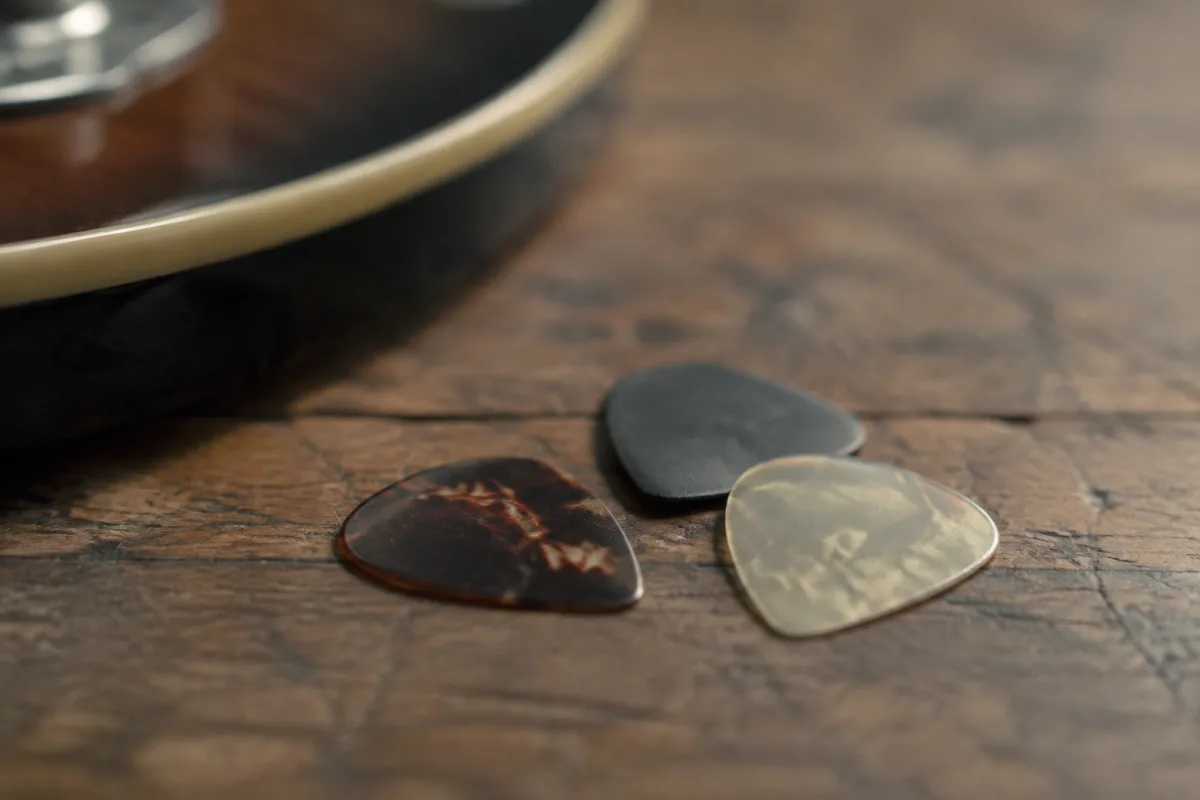
Picks for electric guitar are far more influential on tone and playability than many guitarists realise. These small tools, held between thumb and fingers, are the primary interface between player and instrument, directly shaping tone, attack, and overall sound character.
Understanding Picks for Electric Guitar
A pick for electric guitar translates finger motion into string vibration. The pick's material, thickness, and shape determine how efficiently energy transfers to the strings, directly affecting tone, sustain, and playability. Picks for electric guitar come in an enormous variety, and finding your ideal pick transforms your playing.
Pick Materials
Celluloid remains the traditional material for picks for electric guitar. It offers warmth, natural give, and a satisfying click that many players love. Modern picks for electric guitar use tortoiseshell (now synthetic), nylon, carbon fibre, and metal materials. Each material affects tone significantly—metal picks for electric guitar produce bright, aggressive tones; nylon picks deliver warmth and mellowness.
Thickness Considerations
Thin picks for electric guitar (under 0.50mm) offer flexibility and quick articulation, ideal for rhythm playing and strumming. Medium picks for electric guitar (0.50–0.75mm) balance control and flexibility. Thick picks for electric guitar (over 0.75mm) provide maximum control and aggressive tone, favoured by lead players and heavy music styles.
Pick Shapes and Sizes
Standard teardrop shapes suit most players using picks for electric guitar. Jazz-style picks are smaller and sharper, enabling precise picking for jazz and classical-influenced work. Triangular picks for electric guitar offer unique response for experimental players.
Grip and Control
Pick grip thickness affects control. Textured picks for electric guitar with grooved surfaces provide security even with sweaty hands. Smooth picks for electric guitar demand lighter grip tension but feel slippery to some players. Finding your ideal balance matters for sustained playing comfort.
Genre-Specific Pick Selection
Blues players typically favour medium celluloid picks for electric guitar, balancing tone and bend control. Metal and rock players lean toward thick, rigid picks for electric guitar that cut through distortion. Jazz musicians prefer small, pointed picks for electric guitar enabling articulate note definition.
Cost and Practical Considerations
Picks for electric guitar range from pennies to pounds. Expensive custom picks for electric guitar offer limited advantage over quality mass-produced options. Most players benefit more from experimenting with various picks for electric guitar within budget-friendly ranges than investing in premium options.
Tone Development Through Pick Choice
Experienced players manipulate pick angle, strike position, and pressure to vary tone. A single set of picks for electric guitar enables dozens of tonal variations depending on technique. Conversely, different picks for electric guitar with identical technique produce noticeably different results.
Rather than seeking the perfect pick, successful electric guitarists maintain several picks for electric guitar of different materials and thicknesses, selecting based on song and mood. This approach lets you fully exploit your instrument's potential and develop genuine versatility in tone shaping.
Frequently Asked Questions
Do expensive picks for electric guitar sound better? Price doesn't guarantee quality. Many excellent mass-produced picks for electric guitar outperform boutique options. Experimentation matters more than price.
Should I use the same pick for electric guitar always? Most professional players keep several picks for electric guitar available. Different styles suit different songs and techniques.
Do picks for electric guitar affect tone noticeably? Absolutely. Pick material, thickness, and shape directly shape attack, sustain, and overall tonal character measurably.
What's the best thickness for picks for electric guitar? It depends on your style. Lead players typically prefer thick picks for electric guitar; rhythm players favour thinner options. Experiment to find your comfort zone.
Can picks for electric guitar improve my playing? A suitable pick reduces fatigue and enables better control, indirectly improving performance. However, technique matters far more than equipment.
How often should I replace picks for electric guitar? Replace worn picks for electric guitar as they lose definition and grip. Most players rotate picks regularly, using fresh ones for practice and performance.


Comments