
Hard Electric Guitar Case article
The Complete Guide to Hard Electric Guitar Case
A hard electric guitar case protects your investment from impact and environmental damage. Learn what features matter and which case type suits your needs.
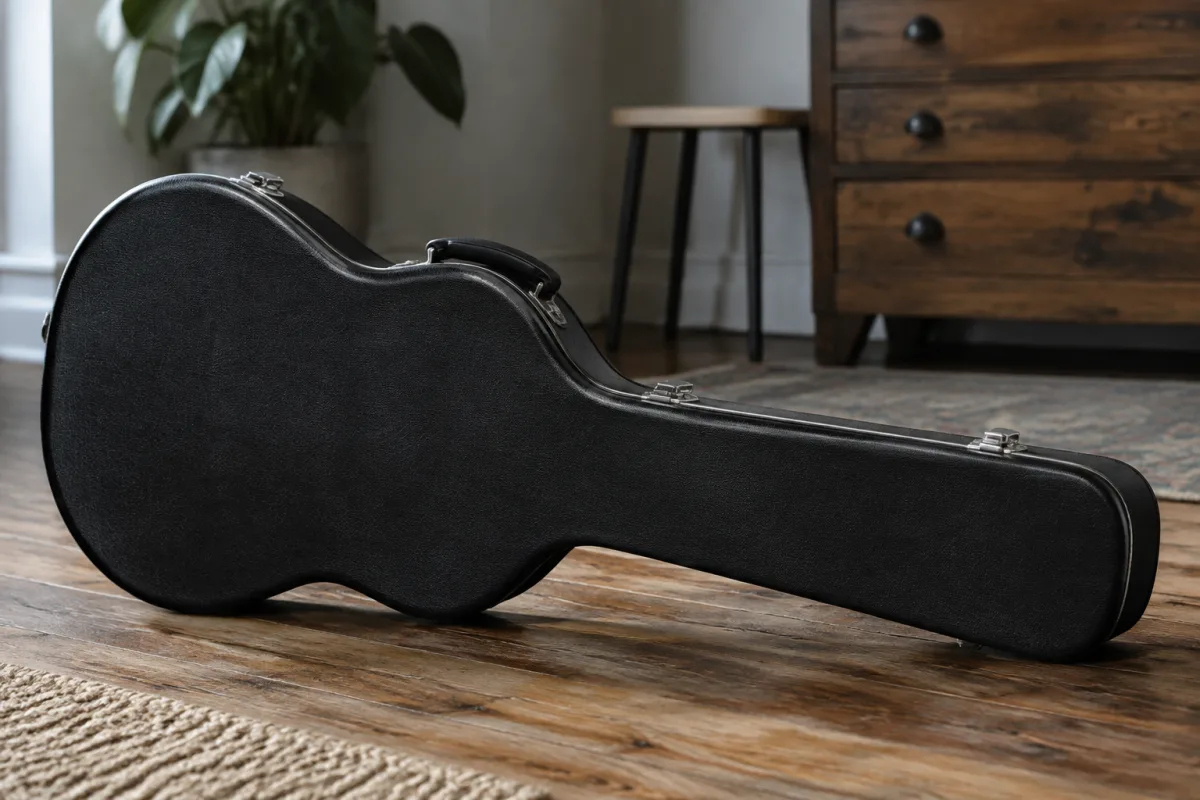
A hard electric guitar case is one of the most important investments any guitarist makes—second only to the guitar itself. Whether you're touring internationally, traveling by van to local gigs, or simply protecting your instrument at home, a quality hard electric guitar case shields your guitar from impact, temperature swings, humidity fluctuations and the general abuse that comes with real-world use. The difference between a guitar stored in a hard case and one left exposed is often the difference between an instrument ready to play and one requiring expensive repairs.
Why a Hard Electric Guitar Case Matters
An electric guitar is an investment—from budget newcomers at £300 to professional instruments at £3000 or more. Even a modest guitar is irreplaceable if it carries sentimental value. A hard electric guitar case protects that investment by physically shielding the guitar from impacts, drops, and abrasion. It also protects against environmental damage: temperature and humidity extremes can crack finishes, warp necks, and damage electronics. A sealed hard case maintains a relatively stable microclimate inside, buffering against rapid environmental swings.
For gigging and touring musicians, a hard electric guitar case isn't optional—it's essential. Road crews, sound technicians, other bands' gear, rough handling by venue staff—these hazards are unavoidable in live music. A hard case is your insurance policy.
Types of Hard Electric Guitar Cases
Hard electric guitar cases fall into two main categories: wooden cases and hardshell cases. Wooden cases (often called "chipboard" or "plywood" cases) are traditional, lightweight and affordable. A wooden hard electric guitar case typically costs £50–£150 and offers adequate protection for casual use and home storage. They're less robust than hardshell but sufficient for rehearsals and local gigs.
Hardshell cases use ABS plastic, injection-moulded composite, or lightweight metal frames with impact-resistant shells. They're more expensive (£100–£400 or more), heavier, but significantly more durable and protective. Professional touring musicians favour hardshell cases for their superior protection and longevity. Premium hardshell cases include shock-absorbing padding, locking latches, wheels and carrying handles—luxury features for serious players.
Key Features to Look For in a Hard Electric Guitar Case
- Interior padding: Thick foam or plush velvet lining protects the finish from scratches. Better cases have custom-shaped neck support to prevent stress on the headstock.
- Latches and hinges: Reliable hardware prevents accidental opening mid-transport. Chrome-plated or stainless latches resist corrosion; piano hinges distribute stress evenly.
- Weatherproofing: A hard electric guitar case should seal against dust and moisture. Check that latches close securely and any lid gaps are minimal.
- Handle design: Comfortable, well-reinforced handles are essential for regular transport. Dual handles (top and side) are preferable to a single carry strap.
- Accessory storage: Compartments for cables, picks, tuners and spare strings keep essentials with your guitar. Larger cases often include a lockable storage tray.
- Weight: Lighter cases are easier to transport; heavier cases often mean better protection. Strike a balance between durability and portability based on your travel frequency.
- Shape compatibility: Ensure the case fits your guitar body shape—Stratocaster, Telecaster, Les Paul and semi-hollow bodies have different profiles. A loose guitar is unprotected; a tight fit stresses the neck.
Hard Electric Guitar Case Sizes and Fit
Cases are typically universal (fitting most single-cutaway and double-cutaway guitars) or shape-specific. A universal hardshell case fits Stratocasters, Telecasters, and similar slab-body guitars; Les Paul and semi-hollow guitars need deeper cases designed for their body contours. Oversized cases accommodate thicker-bodied instruments or those with non-standard hardware. Check case dimensions carefully before purchasing—a poorly fitting case leaves your guitar loose or causes strain on the neck.
Hardshell vs Wooden Hard Cases: Practical Comparison
| Type | Cost | Weight | Protection | Durability | Best For |
|---|---|---|---|---|---|
| Wooden Hard Case | £50–£150 | 2–3 kg | Moderate; good for drops under 1 metre | 5–10 years with care | Home storage; local rehearsals; casual gigging |
| Hardshell Case (ABS) | £100–£300 | 3–4 kg | Excellent; withstands significant impacts | 15+ years with care | Touring musicians; frequent travel; professional use |
| Premium Hardshell (Tolex/Composite) | £200–£500+ | 4–5 kg | Superior; withstands extreme abuse | 20+ years; repairable | Professional touring; studio ownership; long-term investment |
Interior Protection Standards
A quality hard electric guitar case includes interior padding that protects the guitar finish without trapping moisture. Velvet or plush felt is soft and attractive; foam is functional and breathable. Better cases feature custom-shaped neck support—a raised area that craddles the headstock and prevents downward stress during transport. Cutaways for tuning machines and electronics prevent pressure on hardware. If a case interior is bare or poorly padded, the guitar can shift and rattle—a sign of inadequate protection.
Maintaining Your Hard Electric Guitar Case
Wipe the exterior regularly to keep it clean and free from grime. Check latches and hinges monthly—tighten loose bolts and apply light machine oil if they squeak. Replace worn handle padding or straps proactively. Allow your guitar time to acclimate to the case interior after transport (especially if moving between temperature extremes)—don't immediately open the case; let interior condensation evaporate. Store the case in a cool, dry place, preferably horizontally to distribute weight evenly across the latch system.
If your case ever takes a hard impact or shows visible damage, inspect the interior for damage to padding and frame. Replace interior padding if compressed or torn—it's inexpensive (£30–£80) and restores protection. Treat your hard electric guitar case as part of your instrument's care regimen, not an afterthought.
Special Cases and Flight Cases
Flight cases—heavy-duty hardshell cases with reinforced handles, locks and sometimes wheels—are purpose-built for touring and airline travel. They cost £300–£800 but offer unmatched protection and road-readiness. For gigging musicians, a flight case is a long-term investment that pays dividends. TSA-approved locks (keyed and combination) protect the case during air travel. Some flight cases feature built-in humidifiers to manage humidity during long storage or international travel.
Conclusion
A hard electric guitar case is a necessary investment that protects your guitar from impact, environmental extremes, and the wear of regular use. Whether you opt for an affordable wooden case for home storage or a professional hardshell flight case for touring, prioritise fit (ensure your guitar doesn't rattle), padding quality, and hardware reliability. Treat your case as integral to your rig: maintain it, respect it, and it will protect your guitar for decades.


Comments