
Electric Guitar with Stand article
The Complete Guide to Electric Guitar With Stand
Proper storage with a quality stand protects your electric guitar whilst keeping it accessible for practice. Learn how to select and use stands effectively.
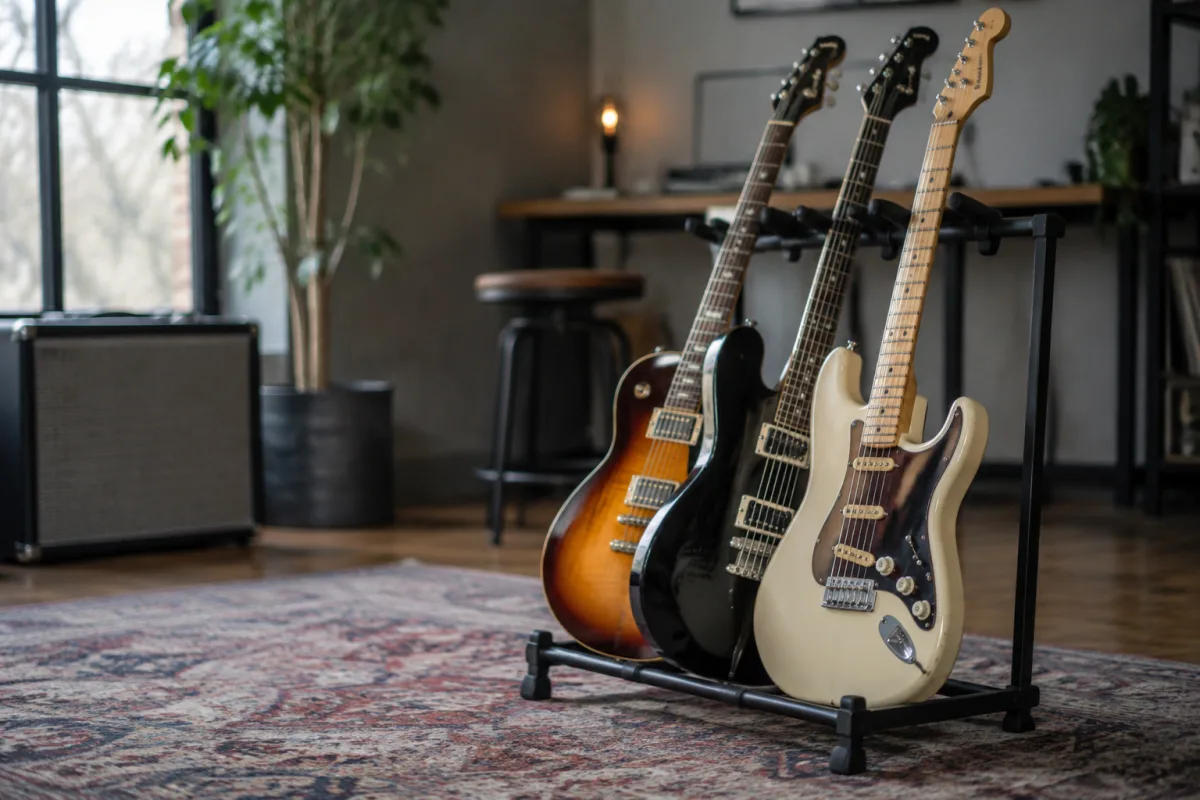
Proper storage and display of an electric guitar with stand protects your instrument whilst keeping it readily accessible for practice and performance. A quality electric guitar with stand serves multiple purposes—preserving your guitar's condition, reducing handling damage and encouraging frequent playing through convenient access. This comprehensive guide explores everything you need to know about selecting and using electric guitar stands effectively.
Why Your Electric Guitar Needs a Stand
Many guitarists lean their instruments against walls or leave them lying down, risking accidental damage. An electric guitar with stand provides secure, stable support preventing tuning issues caused by pressure on the neck. Proper storage maintains structural integrity and protects finish and hardware from environmental damage.
Beyond protection, an electric guitar with stand transforms your playing habits. Instruments stored standing are played more frequently—visible reminders encourage practice sessions. Professional musicians understand that accessibility influences creative engagement, making the investment in quality stands worthwhile for serious players.
Types of Electric Guitar Stands
A-frame stands represent the most common design. These stable, portable stands support the guitar safely whilst allowing quick removal. An electric guitar with A-frame stand works well in practice spaces, bedrooms and studios. Their foldable design enables easy transport to rehearsals and gigs.
Wall-mounted stands offer space-efficient storage for environments with limited floor space. Installing a wall mount for your electric guitar optimises room usage whilst keeping instruments visible and accessible. However, wall mounting requires secure installation—improper mounting risks catastrophic damage to both guitar and walls.
Hanger-based stands suspend the guitar by the headstock, minimising contact points. Such designs suit high-end instruments where maximum protection matters. Specialised locking mechanisms prevent accidental removal whilst allowing quick access when needed.
Selecting the Right Electric Guitar with Stand
Stand quality directly impacts guitar safety. Premium stands feature rubber padding protecting finish and hardware. Look for stands offering adjustable width—an electric guitar with stand that accommodates various body sizes provides flexibility as your collection grows.
Weight capacity matters, particularly for heavier instruments or acoustic-electric models. Quality electric guitar stands support instruments weighing 8–10kg comfortably. Ensure the stand's base remains stable when holding your specific instrument—a wobbly electric guitar with stand risks dropping your guitar.
Consider your space and usage patterns. A bedroom musician might prefer compact A-frame stands whilst a professional studio benefits from wall-mounted solutions. Tournament-level serious players often maintain dedicated stands for each instrument, preventing constant repositioning.
Stand Placement and Safety
Position your electric guitar with stand away from high-traffic areas where people might accidentally bump it. Keep stands away from heating vents, air conditioning units and direct sunlight—environmental extremes damage guitar finish and affect structural integrity. A stable surface is essential; never place an electric guitar with stand on uneven flooring.
For wall-mounted options, installation location is critical. Mount stands at comfortable height enabling natural removal and replacement. Ensure wall anchors are appropriate for your wall type—drywall requires proper anchors whilst brick or concrete demands specialised fasteners for secure installation.
Caring for Your Guitar Through Proper Stands
Quality stands protect guitars from common damage. A well-padded electric guitar with stand prevents dings and finish scratches. Headstock stands specifically protect this vulnerable area prone to expensive damage from impacts. Regular inspection of stand padding ensures effective protection remains intact.
Environmental control complements stand protection. Maintain consistent humidity levels (40–50%) and moderate temperatures—extreme conditions cause wood movement affecting tuning and playability. An electric guitar with stand in proper environmental conditions maintains optimal playability and longevity.
Display and Aesthetics
An electric guitar with stand serves decorative purposes alongside functional benefits. Attractive instruments deserve visible display—consider stands that complement your décor. Wall-mounted options create impressive visual focal points in practice spaces and studios whilst showcasing your instrument collection.
Display stands specifically designed for electric guitars often feature artistic designs enhancing room aesthetics. Some musicians curate instrument collections displayed on specially selected stands, creating personal museum-like spaces inspiring creative practice.
Maintenance and Long-Term Use
Periodically inspect your stand for wear or damage. Rubber padding can deteriorate over time; replace damaged padding protecting your electric guitar investment. Check wall mounts annually for loose fasteners or wall damage requiring attention.
Clean stands regularly, removing dust that could transfer to your guitar finish. For wall-mounted stands, inspect surrounding wall area for moisture or damage that could compromise safety. These simple maintenance practices ensure your stand remains effective for years of reliable service.
Budget Considerations
Quality electric guitar stands range from £20 to £100+ depending on design and materials. Basic A-frame stands cost £20–£40, offering reliable protection for budget-conscious players. Premium stands with enhanced padding and adjustable features cost £50–£100. Wall mounts typically cost £30–£60 depending on installation complexity.
Consider your instrument's value when budgeting for stands. Expensive guitars justify investment in premium stands offering maximum protection. Conversely, budget instruments benefit from affordable stands providing basic support and storage.
Conclusion
An electric guitar with stand represents essential equipment for serious musicians. Proper storage protects your investment whilst encouraging consistent practice through convenient access. Select stands matching your space, instrument collection and aesthetic preferences. Whether choosing portable A-frame designs, space-efficient wall mounts or display-focused options, quality stands transform how you interact with your instrument whilst preserving its condition for decades of enjoyable playing.


Comments