


Electric Guitar Junior article
Electric Guitar Junior for Beginners: A Complete Guide
Electric guitar junior instruments are designed for younger players. This guide covers why junior models matter, selection criteria, and helping young musicians thrive.
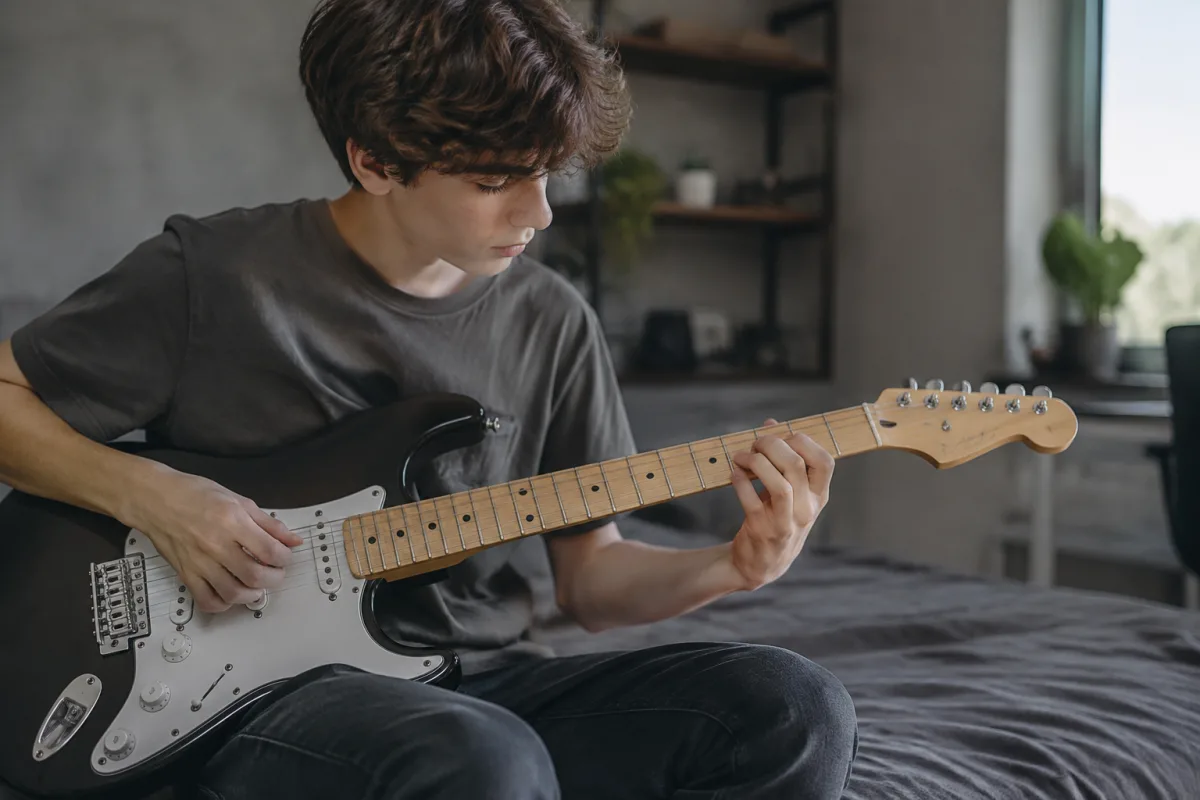
Starting guitar as a younger player requires different considerations than adults face. An electric guitar junior designed specifically for smaller hands and frames offers comfort and inspiration that standard-size instruments simply can't match. If you're getting a young person started on guitar, choosing an electric guitar junior removes common physical barriers and sets them up for genuine success.
Why an Electric Guitar Junior Makes Sense
An electric guitar junior fits proportions designed for younger players. Standard electric guitars often feel impossibly large for small hands, making basic techniques exhausting and discouraging. An electric guitar junior changes this. With properly sized necks and bodies, an electric guitar junior lets young players focus on learning rather than struggling with instrument size.
Motivation matters tremendously when learning. An electric guitar junior that feels balanced and comfortable in a young player's hands increases practice frequency dramatically. The psychology is simple: if your instrument feels good, you'll pick it up more often.
What Makes an Electric Guitar Junior Different
Scale length distinguishes electric guitar junior models. Standard guitars have 25.5-inch scales; electric guitar junior typically measure 22-24 inches. This shorter scale makes an electric guitar junior far more manageable for younger hands. Fret spacing naturally tightens, making reaching between frets easier.
Body size on an electric guitar junior is proportionally smaller. An electric guitar junior won't overwhelm a young player physically. The instrument balances well whether sitting or standing, encouraging comfortable practice posture.
Electronics and hardware on electric guitar junior models match full-size instruments. You're not compromising tone or functionality when choosing an electric guitar junior—you're simply getting proportions suited to smaller players.
Choosing the Right Electric Guitar Junior
Comfort is paramount. Have the young player hold and play various electric guitar junior options. The right electric guitar junior should feel balanced and manageable. If an electric guitar junior feels awkward or straining, it's the wrong choice regardless of brand or price.
Test an electric guitar junior through an amplifier. This reveals the instrument's true character and responsiveness. Every electric guitar junior sounds different plugged in. Spend time evaluating the tone you actually want in an electric guitar junior.
Check action carefully on any electric guitar junior you're considering. Lower action makes an electric guitar junior easier to play early on. Have a technician evaluate whether an electric guitar junior needs setup before purchase.
Budget-Friendly Electric Guitar Junior Options
Quality electric guitar junior models start around £150-300. This price range includes solid beginner instruments. Don't feel pressured to spend more initially. A well-made £200 electric guitar junior serves learning purposes excellently.
Many established brands offer electric guitar junior models. Fender, Squier, and Epiphone produce respected electric guitar junior options at accessible prices. Solid electric guitar junior construction means these instruments survive years of learning and evolve with the player.
Used electric guitar junior instruments often represent tremendous value. Many young players outgrow an electric guitar junior after developing foundational skills. Quality used electric guitar junior models perform excellently at bargain prices.
Common Beginner Mistakes with Electric Guitar Junior
First mistake: buying an electric guitar junior without testing. You assume it'll be "good enough" and purchase online. It arrives, and the young player struggles with discomfort or tone they don't enjoy. Always play an electric guitar junior before committing.
Second pitfall: neglecting setup. Your new electric guitar junior probably needs professional evaluation. Fresh setup on an electric guitar junior costs £50-100 but dramatically improves playability. It's not optional—it's essential investment.
Third error: pairing electric guitar junior with inadequate amplification. An excellent electric guitar junior sounds thin through tiny amps. Invest in at least a 20-watt amp that the young player can actually use for practice and small performances.
Fourth mistake: assuming an electric guitar junior is temporary. Treat the purchase as a genuine instrument investment. A quality electric guitar junior serves learning for years, adapting as the player grows.
Caring for an Electric Guitar Junior
Protect your electric guitar junior investment. Keep it in a case when not in use. Teach young players to handle their electric guitar junior carefully. Regular cleaning and maintenance extend instrument lifespan significantly.
Change strings regularly on an electric guitar junior. Fresh strings dramatically improve tone and playability. Establish string changing as routine maintenance from the beginning.
Have an electric guitar junior serviced annually by a professional. They'll inspect the neck, evaluate frets, check electronics, and make adjustments keeping everything playing smoothly.
Building Toward the Future
For comprehensive guidance on electric guitar junior selection and development of young musicians, explore our complete guide to electric guitars. That resource covers advanced topics worth revisiting as young players progress.
Your electric guitar junior investment is significant but purposeful. Match the instrument to the player's physical size, invest in quality amplification, arrange professional setup, and then step back. The young player's consistent practice and genuine enthusiasm matter infinitely more than gear specifications. An electric guitar junior simply provides the foundation for that practice to flourish.


Comments