


Electric Guitar Hardware Buying guide
Electric Guitar Hardware: A Complete Buyer's Guide
Shopping for an electric guitar? Understanding the hardware—bridges, tuners, pickups, and electronics—is essential to making smart choices and getting value. Here's what to check.
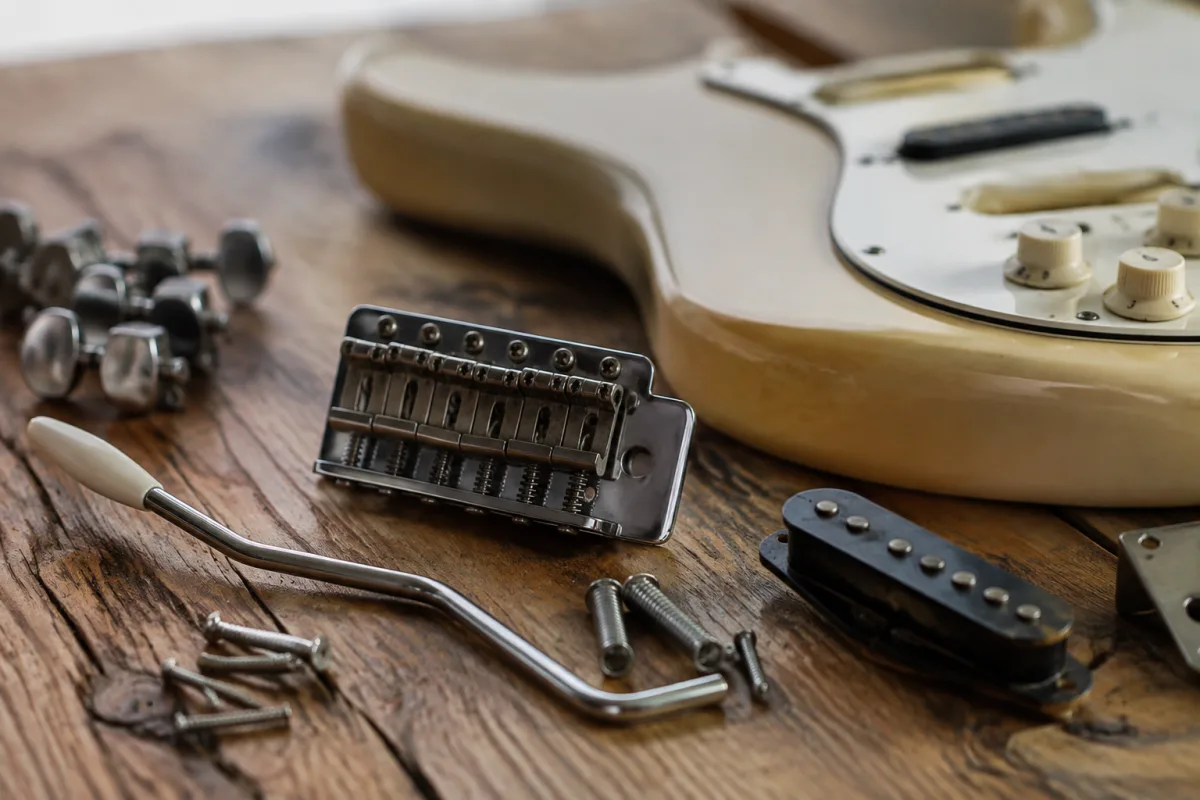
When you're shopping for an electric guitar, the hardware—bridges, tuners, pickups, machine heads, and the rest—often gets overlooked. Buyers focus on the body and neck, but the quality of your electric guitar hardware directly affects tone, stability, playability, and resale value. Understanding what to look for will help you make smarter purchasing decisions and get far better value for your money.
The Core Hardware Components and Why They Matter
Electric guitar hardware breaks down into several critical systems: the bridge (which holds the strings and affects sustain and tonal transfer), the tuning machines (which keep you in tune), the pickups (which capture string vibration), the output jack (which carries the signal), and various fasteners and controls.
Each component has a job. Collectively, cheap or worn hardware saps tone, makes staying in tune impossible, and can make a decent guitar feel like it belongs in the bin. Good hardware, conversely, lets the wood sing and makes playing enjoyable—regardless of whether your guitar cost £300 or £3,000.
Bridges: Stability and Tone Transfer
The bridge is where string vibration converts into sound. A poor bridge—loose, cheaply made, or misaligned—dampens sustain and creates a dull tone. A quality bridge locks strings firmly and transfers energy efficiently to the body.
When evaluating a guitar's bridge, check these specs:
- Bridge type: Fixed bridges (Hardtail, Fender-style) offer maximum sustain and stability; tremolo arms add versatility but complexity. For beginners and traditionalists, fixed is simpler.
- Material: Brass, steel, and die-cast zinc are common. Brass offers warmth; steel gives brightness and snap. Die-cast zinc is a budget middle ground and can work fine if the casting is solid.
- String saddles: Look for bone, tusq, or high-quality plastic saddles rather than cheap cast metal. Individual saddles per string (vs. a single bar) allow intonation tweaking.
- Tuning stability: Spin the bridge tuning screws gently—they should move smoothly without binding. If they're stiff or loose, hardware wear is already setting in.
Expect to pay more for quality: a Fender or Gotoh bridge (£40–80) makes an audible difference over a generic £10 replacement. If you're buying a used guitar and the bridge rattles or looks corroded, budget for a replacement.
Tuning Machines: Staying in Tune
Bad tuning machines are the single fastest way to ruin your playing experience. They won't hold tune, drift after bends, and make practice maddening. Spending on quality tuners pays dividends immediately.
When assessing tuning machine quality, consider:
- Gear ratio: Higher ratios (18:1, 21:1) mean finer tuning control. Cheap machines often use lower ratios (10:1, 12:1), making precise tuning tedious.
- Mechanism: Worm-gear tuners (the most common) are fine if well-made. Sealed tuners hold tune better because dirt and moisture can't degrade the gears. Open tuners are cheaper but require occasional cleaning.
- Button material: Plastic buttons work but crack over time. Metal buttons (often Kluson-style) are more robust and feel professional.
- Binding: Spin the tuning button—it should turn smoothly with no grinding or stalling. Any resistance suggests internal wear or manufacturing faults.
Budget tuners (£2–5 each) make guitars hard to play. Good tuners (Fender, Grover, Hipshot: £5–15 each) are a game-changer. A full set replacement costs £40–100 but can transform an otherwise good guitar with weak hardware.
Pickups: Your Sonic Foundation
Pickups capture string vibration and send it to your amp. They are the most crucial tone determinant after the wood, and their quality varies wildly across price tiers.
When shopping, compare these pickup traits:
- Magnet type: Alnico (expensive, warm, nuanced) vs. ceramic (budget, bright, aggressive). Alnico sounds superior but costs more. Ceramic pickups are fine for rock; Alnico suits blues and vintage tones.
- Output: Measured in millivolts, this affects gain and sustain. Higher output drives harder (good for metal/rock); lower output suits jazz and cleans (good for clarity).
- Shielding: Shielded pickups (copper or nickel foil wrapped) reject hum and noise. Unshielded pickups can hum in electrically noisy environments.
- Coil type: Single-coil pickups (bright, clear, prone to hum) vs. humbuckers (warm, noise-cancelling). Humbuckers cost more but reject interference better.
Cheap pickups sound thin and one-dimensional. Upgrading pickups alone can cost £100–400 but produces a transformation in responsiveness and warmth. Brands like Seymour Duncan, Fender Custom Shop, and DiMarzio are solid mid-to-premium options.
Electronics: Pots, Switches, and Jacks
Volume and tone potentiometers (pots), pickup selector switches, and output jacks are often the first to fail on budget guitars. They're cheap to make, so manufacturers cut corners.
When examining a guitar's electronics, look for:
- Pot quality: Smooth volume and tone controls that don't scratch or crackle. Scratching suggests dirty internal contacts or a pot rated for low use-cycles. Premium pots (Bourns, ALPS) cost more but last.
- Selector switch: It should click solidly between positions with no wobble or loose feel. A sloppy switch can cause intermittent tone changes during play.
- Output jack: Wiggle the cable connection—it should be snug with no rattle. A loose jack creates intermittent signal loss (your amp cuts out mid-song).
- Wiring: If you can see inside the guitar, quality wiring is shielded and soldered neatly. Cheap wiring is thin gauge and dry-soldered, prone to failure.
Electronics replacement costs £30–150 depending on complexity. If a guitar's controls feel cheap and scratchy, expect to budget for upgrades or factor it into a lower offer on a used purchase.
Hardware Finishes and Corrosion
Chrome, nickel, and brushed-steel hardware look attractive but corrode over time, especially in humid environments or if the finish isn't properly sealed. Corroded hardware loses conductivity (affecting tone) and becomes harder to adjust.
When examining hardware, check for:
- Finish quality: Smooth, uniform finish with no pitting or discolouration suggests good electroplating. Pits and tarnish indicate cheap plating or age-related wear.
- Hidden corrosion: Look under bridges and behind tuning machines—these sheltered spots hide corrosion first. Light surface tarnish is normal; deep pitting is a red flag.
- Shielding: Premium guitars often use gold, nickel, or hard-anodised finishes that resist corrosion better than basic chrome.
In wet climates or high-humidity studios, spending extra on sealed or premium-finish hardware prevents frustration and cost later.
Price Tiers and What to Expect
Understanding typical hardware quality at each price point helps you spot value and avoid overpaying for mediocrity.
- Budget (£200–500 guitar): Expect generic cast-metal bridges, entry-level tuners, and basic ceramic pickups. Everything functions but feels cheap. Hardware replacement after 2–3 years is common.
- Mid-range (£500–1,200): Decent brand-name pickups (Fender, Epiphone house brands), sealed tuners, and solid bridges. Hardware should last 5–10 years with normal care. Some tuning stability issues remain.
- Premium (£1,200–3,000): High-quality Alnico pickups, sealed premium tuners (Grover, Hipshot), and premium bridge systems. Hardware is reliable, tone-focused, and feels refined. May need professional setup but rarely hardware replacement.
- High-end (£3,000+): Custom hardware, hand-selected pickups, boutique components. Every fastener is chosen for tone and durability. Expect 10–20-year hardware lifespan and professional resale value.
The sweet spot for most players is mid-range guitars (£600–1,200), where hardware quality jumps noticeably and durability becomes reliable.
Common Mistakes When Evaluating Hardware
Avoid these pitfalls when shopping for electric guitars:
- Ignoring tuning stability on the shopfloor. A shop guitar under warm lights may stay in tune for 30 minutes, but that doesn't predict real-world performance. Ask staff to demonstrate 15-minute stability after string bends.
- Confusing shiny with quality. Polished chrome looks premium but corrodes faster than brushed finishes. Don't prioritize appearance over materials.
- Assuming all ceramic pickups are bad. They're not—quality ceramic pickups from brands like Fender are excellent for rock. Budget ceramics are the problem.
- Overlooking the output jack. A loose, crackling output jack will frustrate you constantly. Always check this before buying.
- Buying based on brand alone. Some well-known brands cut hardware corners on budget models. Compare specs, not just the badge.
- Forgetting about climate. Humidity affects all hardware, especially cheap finishes. Plan for coastal or tropical climates by choosing guitars with sealed hardware.
Used Guitar Hardware: Red Flags and Negotiating
Buying second-hand? Hardware condition is key to negotiating price. Expect to pay 10–20% less for a guitar that needs hardware refreshing (new tuners, bridge, maybe pickups).
Red flags in used hardware include loose bridges, corroded tuning machines, scratchy pots, and non-functional electronics. A professional setup might revive some issues, but major hardware faults signal future reliability problems.
Quality used guitars often come with original premium hardware—a Fender with Grover tuners and a solid bridge, for instance. This is a buying advantage; these guitars often play and sound better than new budget models.
Investment: When to Replace vs. Accept
Not every hardware issue demands replacement. Minor issues like light tarnish or a slightly scratchy pot are cosmetic and don't affect playability. Major issues—unplayable bridges, non-functional tuners, dead pickups—are worth fixing.
Budget for upgrades early: add £100–200 to your purchase price for potential hardware work. This gives you negotiating room on used guitars and lets you plan necessary replacements on new ones.
Conclusion
Evaluating electric guitar hardware is a skill that pays immediate dividends when buying. You'll spot value in overlooked mid-range guitars, negotiate better on used purchases, and know exactly which compromises you're willing to make at your budget. Test bridges for stability, tuning machines for smoothness, pickups for the tone you want, and electronics for reliability. Understand typical hardware quality at each price tier, and you'll make smarter decisions and end up with a guitar you genuinely love playing.


Comments