


Electric Guitar Blue Buying guide
Electric Guitar Blue: A Complete Buyer's Guide
Buying an electric guitar blue means balancing aesthetics with specs. This guide covers what matters: pickups, hardware, finish quality, and price tiers—so you avoid expensive mistakes.
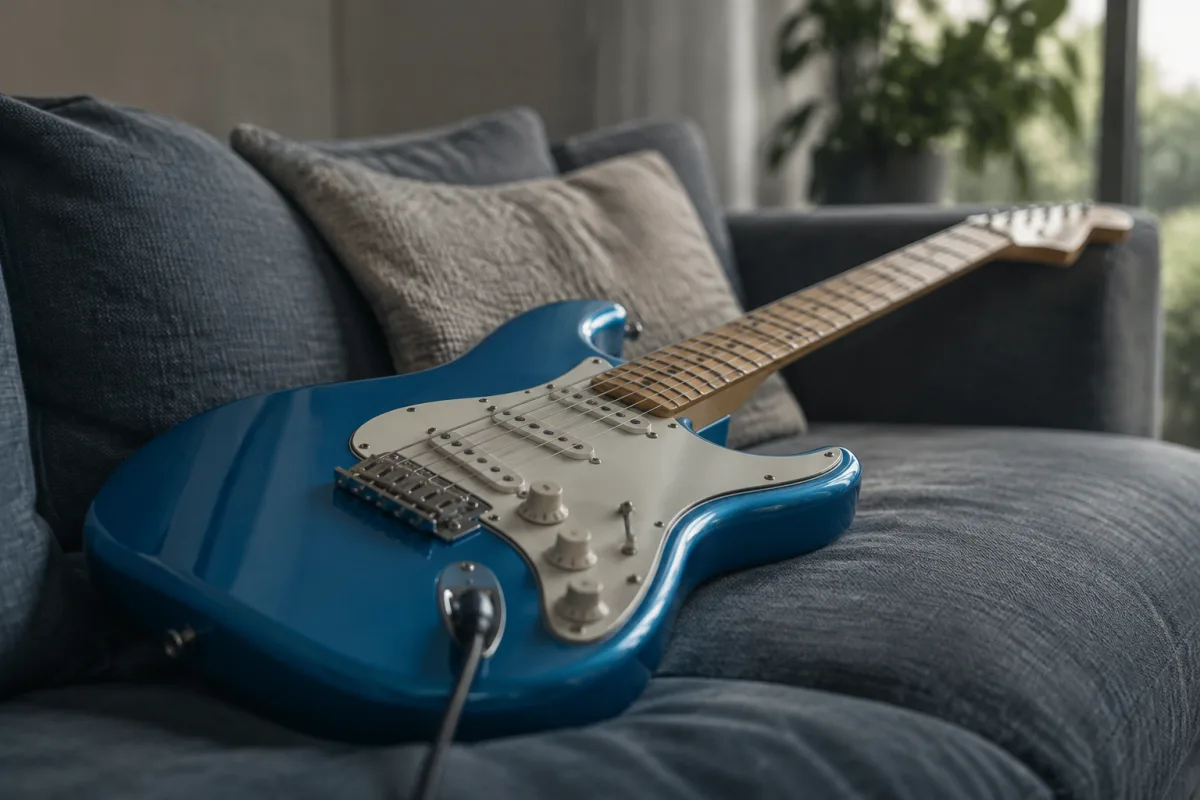
Buying an electric guitar blue feels personal because it is. Aesthetics matter alongside tone and playability, yet beginners often make expensive mistakes chasing the perfect blue finish whilst overlooking critical specifications. This guide walks you through choosing an electric guitar blue that looks gorgeous whilst performing reliably, without wasting money on cosmetics at the expense of playability.
What Specs Actually Matter on a Blue Electric Guitar
The colour is seductive, but build quality comes first. When evaluating an electric guitar blue, examine the wood construction. Solid timber (typically mahogany or ash) resonates better than plywood. The body should feel substantial, not hollow or lightweight—cheap guitars often use thinner wood, resulting in poor sustain and deadened tone. Run your hand across the wood grain; quality blue guitars have finished surfaces that feel smooth and consistent.
The neck is where you'll spend hours playing, so check the wood here especially carefully. Maple necks feel smooth; rosewood fingerboards are darker and porous. Both work fine if properly finished. What matters is that the neck is straight (sight along the frets toward the headstock), not warped or twisted. A twisted neck won't stay in tune and will fight you every time you play.
Hardware—tuners, bridge, tuning machines—shouldn't be flimsy. Push on the tuning posts; they should be solid and unyielding. Cheap tuners slip under string tension, throwing your guitar out of tune constantly. When examining a blue electric guitar, test every tuner by hand. Sticky or loose tuners are dealbreakers at any price point.
Pickups: Where Your Tone Comes From
This is non-negotiable. The pickups fundamentally determine your sound. Cheap blue guitars often have ceramic pickups that sound thin and brittle. Better guitars use alnico pickups (a nickel-cobalt alloy) that capture warmth and sustain. The difference is immediate when you plug in and play.
Ask what pickups are installed. Reputable brands include Seymour Duncan, DiMarzio, and Fender's own pickups. If the guitar listing says "custom pickups" or refuses to name the brand, assume they're cheap. There's no mystery here—good pickups have recognisable names because they're installed by manufacturers who stand behind them.
Single-coil pickups sound bright and articulate, perfect for blues and classic rock. Humbuckers sound thicker and heavier, ideal for high-gain styles. Neither is objectively "better"—it depends on music you're playing. Understand what you're getting and whether it suits your style before buying.
Finish Quality and Durability
Blue guitar finishes vary wildly in quality. Premium blue guitars have deep, resilient polyurethane or nitrocellulose lacquer finishes that age beautifully and resist wear. Budget guitars often have thin, fragile clearcoats over the blue colour. Once scratched or dinged, they're permanently damaged.
Look for matte or satin finishes that hide dust and fingerprints better than mirror-like gloss finishes. Inspect the finish closely under good lighting for unevenness, dust inclusions, or drips. These indicate rushed manufacturing and suggest the whole guitar received similar corner-cutting. A quality blue finish should be uniform and flawless.
Some blue finishes fade under sunlight or age unpredictably. Ask the manufacturer how their specific blue ages. Vintage sunburst finishes can look spectacular after years; some synthetic blues fade to grey. This matters if you care about your guitar's appearance beyond the initial purchase.
The Electronics: Pots, Switches, and Wiring
The electronics on an electric guitar blue often get overlooked by buyers fixating on colour. Push the volume knob—it should move smoothly without crackling noise. Scratchy, crackling pots signal cheap components that degrade over time. Flip the pickup selector switch several times; it should click decisively and change sound cleanly. A sloppy switch creates dropouts or intermittent cuts.
Check the wiring internally if possible. Reputable manufacturers use proper gauge wiring with solid connections. Budget guitars often have flimsy wiring that loosens during shipping or develops intermittent faults shortly after purchase. Ask whether the guitar's electronics have been hand-wired or machine-soldered; hand-wiring usually indicates higher quality.
Input jacks should be solid. Wiggle the jack cable in the socket—there should be no noise or intermittent cutting. A loose jack is instantly annoying when playing and indicates corner-cutting elsewhere.
Price Tiers for Blue Electric Guitars
Budget blue guitars (under £200) exist and can be playable, but reliability is questionable. Electronics fail, tuning stability is poor, and finish durability is minimal. Acceptable for absolute beginners learning whether they'll continue, but frustrating after the first few months.
Mid-range blue guitars (£200–600) represent genuine value. Established brands like Fender, Squier, Epiphone, and Ibanez offer reliable instruments at this price. These guitars play well, hold tuning, and have decent pickups. Most musicians buying their second guitar end up at this tier.
Premium blue guitars (£600–1500) feature quality timber, excellent pickups, and meticulous finishing. These are guitars you'll want to keep for decades. Playability is noticeably superior to budget models, and resale value remains strong.
Professional-grade blue guitars (£1500+) are investment instruments with boutique construction, exceptional materials, and custom specifications. Unless you're gigging regularly or recording professionally, this tier is overkill.
Common Pitfalls When Buying Blue
The biggest pitfall is prioritising colour over playability. An exquisite blue finish won't make a guitar with a twisted neck or terrible pickups suddenly enjoyable. Test-play every guitar before purchasing, regardless of how stunning the colour is. If the neck feels uncomfortable or the pickups sound terrible, no blue finish redeems that.
Another pitfall is buying online without playing it first. Finish colours vary under different lighting; what looks deep navy blue in photos might appear purple or grey in person. If possible, buy from retailers where you can inspect the guitar in natural light before committing.
Avoid guitars that sound "too good to be true" at the price. Listings claiming professional-quality blue guitars for £100 are invariably disappointing. Cheap guitars use cheap components; expecting otherwise leads to buyer's remorse.
Don't overlook the setup. A high-quality blue guitar arriving with improper action (string height), intonation issues, or loose hardware is frustrating. Budget shops sometimes skim on setup to maximise profit. Ask whether the guitar has been properly set up before delivery.
Where to Buy Your Blue Electric Guitar
Reputable music retailers (both local shops and established online vendors) stand behind their guitars with returns policies and reasonable setup guarantees. They'll answer technical questions and help you choose based on your needs, not just sell you the flashiest option.
Inspect the guitar upon arrival. Immediately test playability, check tuning stability, and verify the finish for shipping damage. If anything feels wrong, legitimate retailers accept returns within a reasonable window.
Second-hand blue guitars can be excellent value if you know what to inspect. Look for fret wear (levelled or worn-flat frets indicate heavy playing), finish damage beyond cosmetic chips, and failed electronics. A well-maintained used guitar plays better than a new budget model, but a neglected one becomes a money pit.
Wood and Resonance in Blue Guitars
Solid ash bodies offer bright, articulate resonance and age beautifully. They're heavier than mahogany, which some players dislike after hours of playing. Ash wood naturally weathers to silvery-grey, so blue finishes on ash are painted over rather than enhancing the wood. That's fine—finish quality matters more than wood colour.
Mahogany bodies resonate warmly and are lighter than ash. They're traditionally paired with blues and vintage vibes. Mahogany + blue finish creates a classic combination.
Cheaper guitars often use veneer—a thin layer of decent wood glued to plywood. These never sound as good as solid wood, no matter the finish colour. Avoid veneer construction when possible.
Comparing Your Blue Electric Guitar Choice
For broader context on electric guitars generally, our complete guide to electric guitar blue covers the broader landscape of options and styles available.
Before finalising your purchase, play several blue guitars at different price points. You'll immediately feel the difference between a £200 and £500 guitar. That difference—sustain, resonance, tuning stability—is what you're actually paying for. The blue finish is secondary to these fundamentals.
Making Your Purchase Decision
You've identified the specs that matter (pickups, hardware, electronics), understood price tiers, and avoided common pitfalls. Now trust your instincts. If a blue guitar feels good in your hands and sounds right plugged in, it probably is the one. Colour matters, playability matters more. Buy the best playable guitar you can afford, and enjoy the fact that it happens to be blue.



Comments