


Electric Guitar Bag article
Electric Guitar Bag for Beginners: A Complete Guide
An electric guitar bag is essential protection for your instrument. This beginner's guide walks through soft vs hard cases, what padding quality means, and how to pick one you'll use daily.
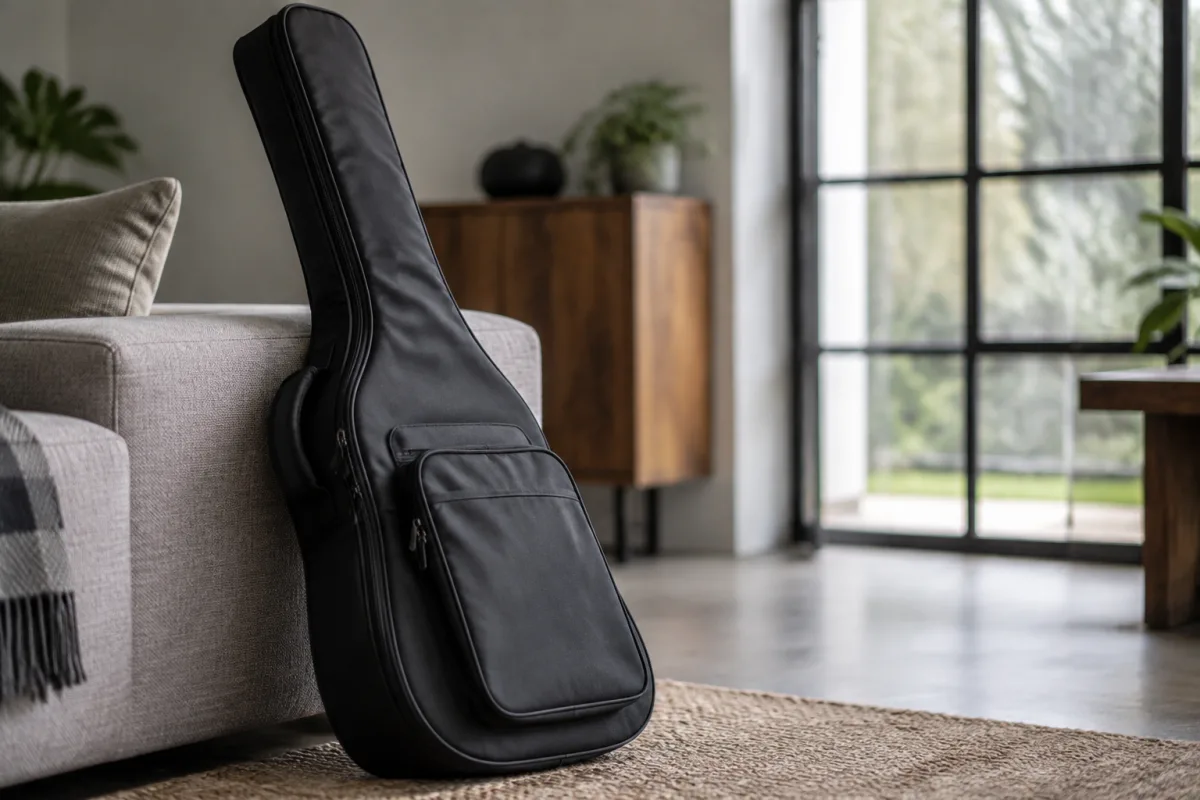
Your first electric guitar is an investment, and protecting it matters. An electric guitar bag is not just convenient — it's essential for keeping your instrument safe during transport, practice, storage, and gigs. If you're a beginner choosing your first guitar bag, this guide walks through what matters, the tradeoffs between soft and hard cases, and how to pick one that will serve you for years.
Why Your Electric Guitar Bag Matters
An electric guitar bag protects against dents, scratches, humidity changes, temperature extremes, and accidents. A guitar left unprotected in a cupboard, car, or gig venue is vulnerable. Beginners often think a cheap electric guitar bag suffices — then they experience a dent or the neck warps from humidity, and suddenly they understand. A good electric guitar bag is cheaper than fixing or replacing damage. It's preventative insurance, not luxury. You'll use it daily, so quality matters.
Soft Cases vs. Hard Cases
An electric guitar bag comes in two main types: soft cases and hard cases. Soft cases are padded nylon or canvas bags that zip around the guitar. They're lightweight, portable, and fit in car boots and gig bags. Beginners appreciate the easy handling and compact storage. Hard cases are rigid plastic or wood boxes that protect the guitar completely. They're heavier, more expensive, and take up significant space, but they offer maximum protection against serious impact and environmental extremes. Most beginners start with a soft case because it's practical for bedroom practice and local gigging. If you're touring or performing in chaotic venues, a hard case becomes worth the extra weight and cost. Choose based on your realistic use.
Padding Thickness & Interior Protection
A soft electric guitar bag's padding protects against minor bumps and temperature changes. Check the thickness — better bags have at least 10mm of padding throughout. The interior should have protective straps or velcro dividers to keep the guitar steady and prevent movement inside the bag. When you're carrying your guitar, you want it snug and secure, not sliding around. High-quality bags have padded neck support and reinforced edges where the guitar's curves sit. Run your hand inside the bag; it should feel plush and safe, not thin and cheap.
Compartments & Pockets
Larger electric guitar bags include pockets for cables, picks, tuners, and spare strings. As a beginner, you'll appreciate these compartments — you can carry everything you need in one bag. Smaller bags are purely for the guitar itself. Think about what you'll actually transport. If you're moving between home and a practice studio, a bag with cable storage is convenient. If you're just storing your guitar at home, basic protection suffices. Don't pay for features you won't use.
Handles & Shoulder Strap
A quality electric guitar bag has sturdy handles for carrying and a removable shoulder strap for hands-free transport. Test the handles — they should feel secure, not flimsy. The shoulder strap should be padded where it contacts your shoulder; an unpadded strap digs in uncomfortably. If you'll be walking to gigs or practising elsewhere, a comfortable shoulder strap transforms the experience. Some straps are removable; some are fixed. For beginners, removable is more flexible (you can carry by hand or shoulder depending on distance and load).
Size & Fit
Electric guitar bags come in standard sizes for different body styles (Stratocaster, Telecaster, semi-hollow, etc.). A properly sized electric guitar bag fits snugly — not so tight that stuffing the guitar in feels forceful, not so loose that it rattles around. If you're buying sight unseen, check the product specs against your guitar's body dimensions. A Stratocaster fits many bags designed for "standard electric guitar," but a semi-hollow or offset body needs more room. When in doubt, choose a bag slightly larger than too-small.
Water Resistance & Materials
An electric guitar bag protects from humidity, so water resistance matters. Quality bags use nylon with a water-resistant coating or canvas treated to repel moisture. Cheap bags absorb water readily, which then transfers to your guitar's wood. If you'll be taking your guitar outside or near windows, choose a water-resistant option. Most mid-range bags offer decent water resistance without being fully waterproof (which would make them heavy and expensive). Read product descriptions; if water resistance isn't mentioned, assume none.
Price Tiers & Value
Budget electric guitar bags (£20–£50) offer basic soft padding and handles. They're fine for occasional studio use and short-distance transport. Mid-range bags (£50–£150) provide robust padding, good compartments, and comfortable straps — the sweet spot for most beginners and gigging musicians. Premium bags (£150–£300+) offer superior materials, flawless construction, and sometimes keys to lock the bag. Hard cases start around £80 and go up significantly. Buy a quality soft case for regular use; if you later upgrade to touring or gigging extensively, add a hard case for protection during transport.
Common Beginner Mistakes
Don't assume cheap is fine. A £15 electric guitar bag might seem practical until your guitar gets damaged from inadequate protection. Spending £60–£100 on a decent soft case saves money in the long run. Another mistake: buying a bag based on aesthetics alone. The prettiest electric guitar bag is useless if it doesn't protect your guitar or feel comfortable to carry. Test the weight distribution and shoulder strap comfort before committing. Finally, don't neglect pockets and compartments if you'll be carrying cables and accessories. A disorganised gig bag wastes time searching for essentials.
Long-Term Care of Your Electric Guitar Bag
Over time, padding compresses and zippers wear. A good electric guitar bag lasts years if you treat it well. Avoid stuffing it excessively. Zip it closed gently; don't force the slider. Wipe down the exterior monthly to prevent dust accumulation. If it gets wet, leave it open to dry. If the shoulder strap frays or padding compresses, you can sometimes have it repaired or re-padded by an instrument technician. Most bags outlive their owners' playing phase, so investing in quality pays off.
Growing Into Your Electric Guitar Bag
As a beginner, choose a quality soft case that fits your guitar's body style and feels comfortable to carry. As you grow into gigging and touring, you might add a hard case for air travel or venue security. Many professional musicians keep both — a soft case for daily use and a hard case for serious protection. For now, start with one versatile bag you'll use constantly. If you want deeper information about electric guitar bag types, materials, and specific models, our complete guide to electric guitar bags covers the full range in detail.
Conclusion
An electric guitar bag protects your investment and makes transport convenient. Choose a padded soft case with comfortable straps, water-resistant materials, and interior organisation. A quality bag costs £60–£100 and lasts years. Your guitar — and your peace of mind — will thank you.


Comments