
Electric Guitar Amp article
The Complete Guide to Electric Guitar Amp
An electric guitar amp shapes your tone as much as your instrument does — understanding tubes versus solid-state, wattage, and headroom is essential for finding your voice on the guitar.
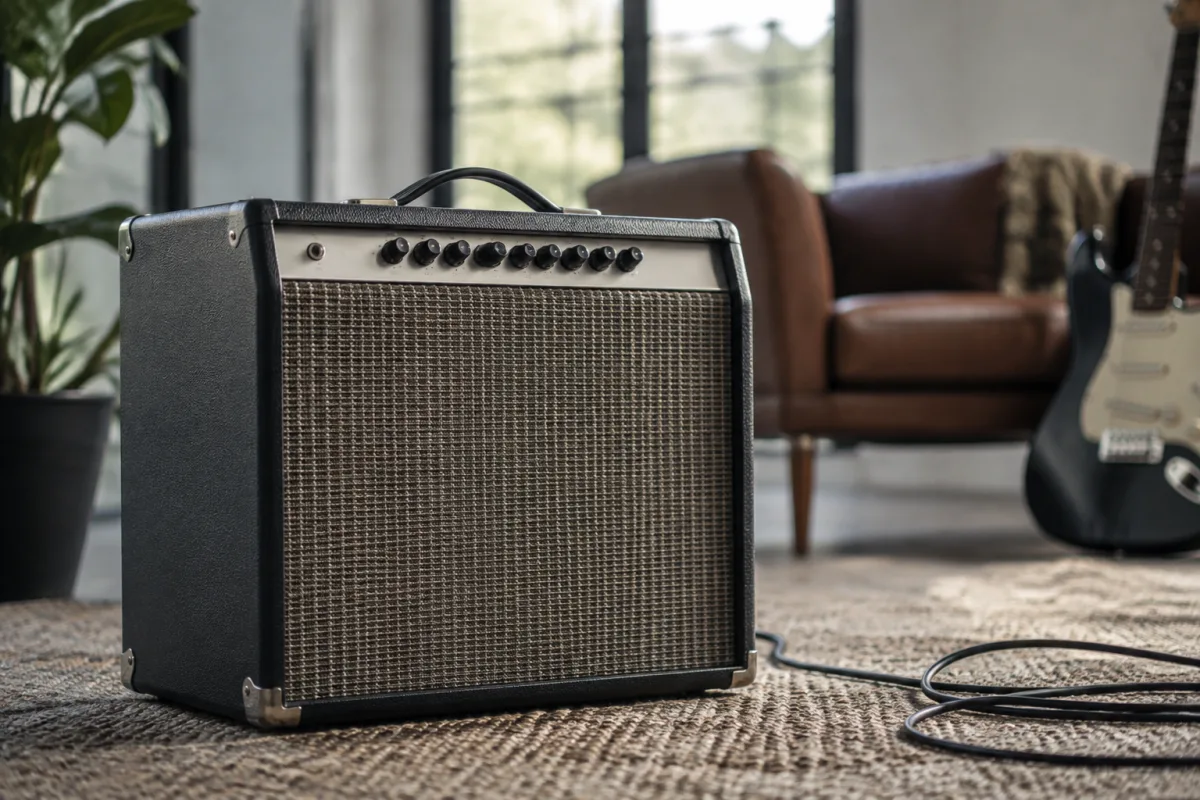
An electric guitar amp is more than just a volume control — it's an instrument in its own right, shaping tone, responding to playing dynamics, and sitting at the heart of every guitarist's sound. Whether you're rehearsing in a bedroom or playing a stadium, understanding how an amp works and what suits your needs is central to finding your voice on the instrument.
What an Electric Guitar Amp Does
An amplifier takes the tiny signal from your guitar's pickups and boosts it thousands of times over, sending it to a loudspeaker. But modern amps do far more than amplify; they colour the sound through preamp tubes or transistors, compress dynamics, and add natural breakup when pushed. This tone shaping — not mere volume — is why two guitarists playing the same instrument through different amps sound distinctly different.
Most amps consist of three key sections: the preamp (which colours and compresses the signal), the power amp (which supplies the muscle), and the speaker cabinet (which radiates the sound). Each influences tone and response.
Types: Tube vs. Solid-State
Tube amps use vacuum tubes in the preamp and power sections. When pushed, tubes distort gracefully and musically — a quality players prize for rock, blues, and classic styles. They're warm, dynamic, and forgiving of imperfect technique. The drawback: tubes are fragile, produce significant heat, require warm-up time, and cost more to maintain.
Solid-state amps use transistors instead of tubes. They're reliable, cool-running, and require minimal maintenance. A good solid-state amp sounds modern, punchy, and detailed — ideal for precision and clarity. The tradeoff: they distort more harshly when overdriven, and many players find the character less musical than tubes. Hybrid amps blend both: a tube preamp for tone colour with a solid-state power amp for reliability.
Wattage and Headroom
Wattage represents the power amp's output, but it doesn't scale linearly with perceived volume. A 100-watt amp is only twice as loud as a 50-watt amp — not five times. A 5-watt tube amp at full volume often rivals a 30-watt solid-state amp in stage volume, because tube breakup happens at lower power levels.
Headroom — the distance between clean tone and breakup — matters as much as wattage. A 50-watt amp with limited headroom distorts quickly and intentionally; one with plenty of headroom lets you play clean at high volume. Blues players often want moderate headroom; hard rockers chase tone by pushing the amp into intentional distortion.
Valve and Non-Valve Configurations
Common tube configurations include the 12AX7 or ECC83 in the preamp (known for colour and saturation) and EL84 or 6L6 power tubes (EL84s are warm and break up easily; 6L6s are punchy and handle headroom). A "half-stack" — a small combo or head atop a 1x12 cabinet — is common for gigging musicians. A "full stack" — a head with a 2x12 or 4x12 cabinet — is standard for rock touring.
Solid-state amps forgo tubes entirely, using transistor preamps and power amps. Modern designs often include digital processing, reverb, and effects modelling — features tube amps rarely offer.
Speaker Size and Cabinet Design
The speaker cabinet profoundly shapes tone. A 1x12 cabinet (one 12-inch speaker) is balanced and portable — common for small venues and rehearsal. A 2x12 adds bass and volume without excessive weight. A 4x12 cabinet (four 12-inch speakers) delivers full-bodied tone and stage volume, essential for large venues and touring.
Open-back cabinets (no rear panel) produce a more diffuse, woody tone; closed-back cabinets (sealed rear) tighten bass and increase volume projection. Speaker brand and model matter too: a Celestion Vintage 30 sounds warm and vintage; a Greenback is brighter and punchier.
Features and Controls
Most guitar amps include a three-band EQ (bass, mid, treble) for tone shaping. Volume controls are typically split: input volume (gain, controlling preamp drive) and master volume (controlling overall loudness). Reverb, a spring-tank effect that adds natural space, is common on tube and vintage solid-state amps. Modern amps often add delay, chorus, or digital effects.
Footswitches allow hands-free channel or effect switching during performance. Valve amps sometimes include variac sockets or power-amp soak switches, letting you dial in tone at lower volumes — a godsend for bedroom players and neighbours.
Combo vs. Head and Cabinet
A combo amp integrates the amp and speaker into one box — convenient for small venues, rehearsals, and portability. A head is the amplifier alone, paired with a separate cabinet. Heads offer more flexibility: you can swap cabinets to change tone, run multiple cabs for more volume, or upgrade the cabinet without replacing the entire amp. Most gigging musicians prefer heads; bedroom and casual players often choose combos.
Wattage Recommendations by Setting
- Bedroom practice: 5–15 watts, tube or solid-state. A lower-wattage tube amp can sound great at modest volumes.
- Rehearsal and small clubs: 30–50 watts. Enough to hear yourself clearly and keep up with drums.
- Medium venues and gigging: 50–100 watts. The standard for working musicians.
- Large theatres and touring: 100+ watts, often a full stack with multiple cabinets.
Tone and Playing Style
Tone preference is personal, but patterns emerge. Blues players favour warm, responsive tube amps with gentle breakup. Rock players often choose higher-wattage amps with more aggressive distortion or stack distortion pedals ahead of clean amps. Metal players use solid-state amps with extensive onboard distortion. Jazz players favour clean, articulate amps that preserve every nuance of their playing.
Your playing style — and the music you play — should guide your choice. An amp is as much a part of your sound as your guitar.
Maintenance and Reliability
Solid-state amps require minimal care beyond keeping dust out of the fan vents. Tube amps need occasional tube replacement (every five to ten years of regular use); replacement tubes cost £20–50 per tube, with a typical amp needing two to four replaced at once. Valve amps also benefit from occasional bias checks, a service offered by qualified technicians. The investment pays back in warmth and response that many players consider essential.
Conclusion
Choosing the right amp depends on your budget, playing style, and setting. Tube amps offer warmth and musicality but require maintenance; solid-state amps prioritise reliability and modern features. A 50-watt tube combo suits most small-venue and rehearsal situations; a 100-watt head with a 2x12 cabinet offers flexibility for growing players. Whatever you choose, your amp will shape your sound for years to come — so choose thoughtfully and trust your ears.


Comments