
Childrens Electric Guitar article
The Complete Guide to Childrens Electric Guitar
Selecting the right childrens electric guitar is crucial for nurturing a young musician's journey. Learn about sizing, playability, essential accessories and budget-friendly brands to get your child started on the right note.
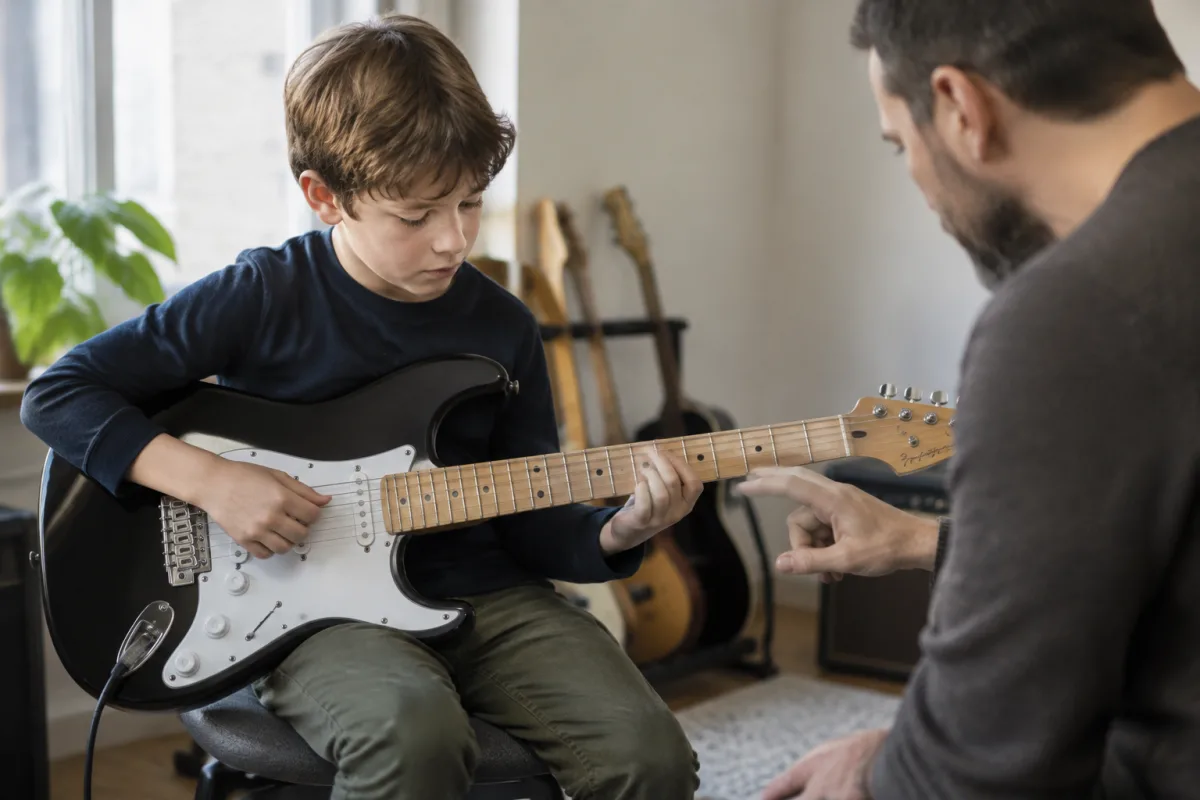
Choosing a childrens electric guitar is one of the most important decisions in nurturing a young musician's passion for the instrument. A well-chosen childrens electric guitar—properly sized, easy to play and appealing to the eye—can transform learning from a frustration into genuine joy. Getting it wrong, conversely, can derail a budding interest before it truly begins.
Why Electric Guitar for Children?
Electric guitars have several advantages for young learners. First, they demand less finger strength than acoustic guitars, making them gentler on developing hands. Second, the steel strings produce less volume through the body, allowing children to practice without overwhelming neighbours. Third, with an amplifier, they sound instantly gratifying even at beginner level—no need to wait months before the instrument sounds musical. Fourth, children love the visual identity and cultural cool factor of the electric guitar, which sustains motivation.
Age and Development Considerations
Most children can begin learning guitar around age six or seven, though readiness depends on individual maturity and interest rather than age alone. For younger children, a 1/2 or 3/4 size instrument prevents frustration caused by a full-size neck and body. A child's electric guitar should fit comfortably when seated and standing; their fretting-hand fingers should reach all frets without excessive stretching.
Between ages eight and thirteen, many children graduate to 3/4 or 7/8 size guitars as they grow. A full-size 4/4 scale (25.5 inches) typically suits teenagers and adults. Having hands measured and observing your child's reach on a borrowed instrument beforehand prevents costly sizing errors.
What Makes a Good Beginner Childrens Electric Guitar
A solid beginner childrens electric guitar should offer several key features. Action (string height above the fretboard) must be low enough that chording does not cause hand pain; most entry-level guitars come with action set too high. Have a technician adjust it before your child's first lesson. Build quality need not be premium, but the neck should be straight, frets level, and tuning machines stable so the instrument stays in tune during practice.
Playability is paramount. Thick necks suited to large hands exhaust small fingers; a slim neck profile helps young learners. The nut width (the gap between strings) should be standard (1.69 inches / 43mm); narrow or wide nuts create bad habit patterns. Tone matters less at the outset—any clean, decent sound keeps a learner engaged—but avoid tinny, dead-sounding budget models that sound worse no matter what you do.
A quality children's electric guitar need not cost more than £100–250 for a playable instrument that will sustain a child's interest through the first year or two of lessons.
Size Guide for Children's Electric Guitars
| Age Range | Height | Recommended Size | Scale Length |
|---|---|---|---|
| 4–6 years | Up to 110cm | 1/2 size | 19–20 inches |
| 6–8 years | 110–130cm | 3/4 size | 22–23 inches |
| 8–12 years | 130–150cm | 3/4 or 7/8 size | 24–25 inches |
| 12+ years / tall | 150cm+ | Full size (4/4) | 25.5 inches |
These are rough guides; individual proportions vary. Always let your child try the guitar before purchasing—a poor fit leads to early quit-outs.
Essential Accessories and Setup
Your children's electric guitar arrives with a cable and tuner. Additionally, purchase a gig bag (softer and lighter than a hard case for young learners), a strap suited to their shoulder width, a music stand and a capo (for flexibility in learning different keys). A small practice amplifier (5–15 watts) provides adequate volume for bedroom practice without disturbing the household.
Have a qualified technician check the setup before the first lesson. Professional setup costs £30–60 but ensures the guitar plays its best and the child's experience is frustration-free. Misaligned necks, rough frets or poorly adjusted truss rods are invisible to the eye but make playing miserable.
Motivation and Long-Term Engagement
A child's decision to stick with guitar depends heavily on the instrument itself. An uncomfortable or poor-sounding children's electric guitar is discouraging, however motivated the learner. Conversely, a well-setup, visually appealing guitar that sounds decent fuels curiosity and daily practice.
Let your child help choose the colour and finish. Whether black, red, sunburst or any other look, children perform and practise more when they love how their instrument looks. Personalisation—a wrist strap they chose, stickers placed by their own hands—deepens ownership and attachment.
Budget-Friendly Brands and Options
Reputable entry-level manufacturers include Fender (Squier range), Yamaha, Ibanez Mikro and Epiphone, all offering playable children's electric guitars in the £100–250 bracket. Avoid no-name \"supercheap\" models at £30–50 from unknown vendors—the money saved is quickly lost to frustration and abandonment. Second-hand instruments from established brands often offer better value; pre-owned Squiers and Yamahas are widely available and, if properly inspected, excellent choices for a child embarking on lessons.
Quality matters more than brand name. A modest, well-setup Squier Stratocaster will serve a child better than a cheaply made \"off-brand\" guitar regardless of its spec sheet. Play it in the shop, assess the sound and feel, and trust your ears over advertising.
Teaching and Progress
A quality children's electric guitar paired with consistent lessons from a qualified teacher yields the best results. Many children benefit from structured tuition—learning proper hand position, fretting technique and music theory from the start prevents bad habits that are hard to break later. Weekly lessons for the first six to twelve months, combined with 15–30 minutes of daily practice, establish solid foundations and keep early motivation alive.
Your child's first instrument is not the guitar they will play forever. If their interest deepens after a year or two, upgrading to a mid-range instrument (£300–600) is a sensible next step. But starting with a comfortable, appealing, properly-setup children's electric guitar ensures the journey from beginner to passionate musician can unfold without instrumental frustration getting in the way.


Comments