
Cable Electric Guitar article
The Complete Guide to Cable Electric Guitar
A quality electric guitar cable preserves your tone and eliminates interference. Understand cable construction, shielding and how to choose the right cable for your setup.
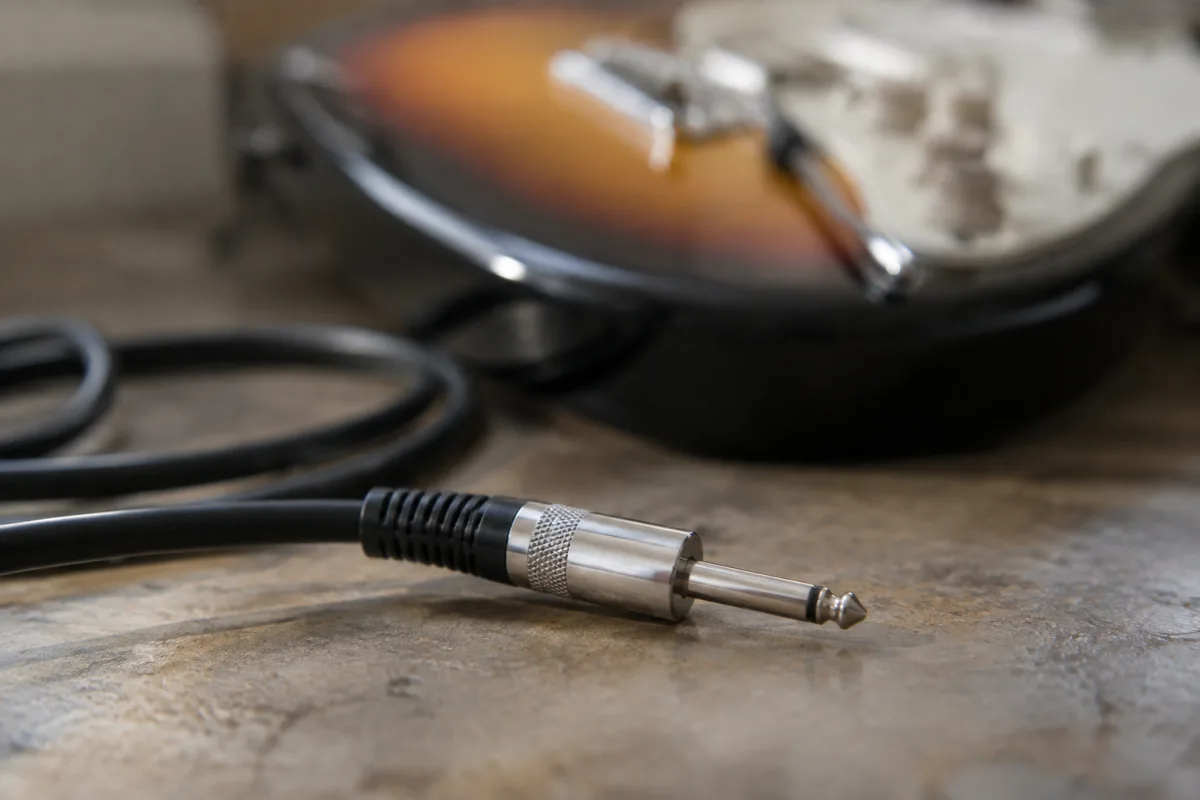
A quality electric guitar cable is one of the most underestimated tools in your arsenal, yet profoundly affects tone and reliability. A cheap, worn or damaged cable introduces noise, signal loss and tonal degradation that no expensive amplifier can fully compensate for. Conversely, a proper guitar cable with shielding and robust connectors preserves your tone and eliminates annoying hum and interference. This guide explores what makes a quality electric guitar cable, how to choose one and how to care for your cables to extend their lifespan.
Why Electric Guitar Cables Matter
Your guitar signal travels through the cable to your amplifier or effects pedalboard. A poor cable introduces multiple problems: electromagnetic interference (hum), capacitive signal loss (duller tone), and intermittent connection (pops and crackles). Professional-grade cables minimise these issues through proper shielding and construction. The difference between a five-pound cable and a twenty-five-pound cable may be audible through even modest amplification.
Many players begin with cheap cables and tolerate hum and tone loss as inevitable. Upgrading to a quality cable often triggers the realisation that problems blamed on the amplifier or guitar were actually cable issues. This alone makes a decent cable a worthwhile investment.
Construction and Shielding
A proper electric guitar cable consists of a centre conductor (transmitting the signal), insulation around it, braided or foil shielding (preventing electromagnetic interference) and an outer jacket. The quality of each component affects performance.
Shielding is critical. A well-shielded cable rejects hum—the 50Hz frequency mains hum that plagues many setups. Budget cables often feature inadequate shielding, allowing hum to penetrate. Professional cables use multiple layers of shielding, sometimes combining foil and braided materials for maximum noise rejection.
The centre conductor should be thick enough to minimise resistance and signal loss. Thin conductors cause high-frequency loss, making your tone duller. Professional cables typically use multi-strand conductors, balancing flexibility with electrical performance.
Cable Connectors
Connectors are where many cheap cables fail. Instrument cables typically use 1/4" TS (tip-sleeve) connectors at both ends. The quality of these connectors—particularly the contact materials and the mechanical fit—directly affects reliability.
Good connectors feature gold-plated contacts that resist oxidation and corrosion. The mechanical fit should be snug but smooth—a loose connector introduces intermittent connection and crackles; a connector that binds frustrates use. Professional-grade connectors maintain contact integrity through thousands of plug/unplug cycles.
Soldering quality matters too. Cheap cables often feature cold solder joints that can fail suddenly. Professional cables use proper soldering techniques ensuring reliable connections for years.
Cable Length and Loss
Longer cables introduce greater signal loss, particularly in high frequencies. A twenty-foot cable loses more tone than a ten-foot cable because the signal must travel farther through resistive material. This is an unavoidable physics limitation, though quality construction minimises the effect.
Choose the shortest cable that works for your setup. A ten-foot cable from guitar to pedalboard is practical for most gigging setups. Longer cables (twenty or thirty feet) suit stadium or theatre use where distance is unavoidable, and the extra signal loss is acceptable compared to the flexibility needed.
Selecting Quality Electric Guitar Cables
Several characteristics indicate quality:
| Indicator | What to Look For |
|---|---|
| Shielding Coverage | Look for visibly dense braided or foil shielding. Budget cables show thin shielding. Multiple shielding layers indicate professional construction. |
| Connector Quality | Gold-plated contacts resist oxidation. Nickel plating is acceptable but less durable. Connectors should feel snug but smooth in the jack. |
| Conductor Thickness | Thicker conductors resist signal loss. Professional cables typically use 20 AWG (American Wire Gauge) or thicker; budget cables may use 22–24 AWG. |
| Cable Jacket Material | Rubber or PVC jackets resist kinking and damage. Cheap plastic jackets crack and allow moisture penetration. Look for flexible but durable materials. |
| Testing and Certification | Reputable manufacturers test cables for noise, frequency response and durability. Check product specifications for these details. |
Brands Worth Considering
Established brands like Fender, Mogami, Neutrik and Canare produce reliable cables. These manufacturers have decades of experience and rigorous quality control. Budget alternatives exist, but the savings (a few pounds) rarely justify potential reliability issues.
Second-hand cables are a budget option if you're in a pinch, but inspect them carefully. Visible damage, cracked jackets or loose connectors suggest problems. A used cable from a reputable brand that's obviously well-maintained may serve fine; an unknown brand or visibly damaged cable is poor economy.
Caring for Your Electric Guitar Cables
Proper care extends cable lifespan significantly. Avoid kinking cables sharply—coil them loosely. Store in dry conditions; moisture accelerates connector oxidation. Clean connectors occasionally with a dry cloth; oxidised connectors cause intermittent connection. Test cables regularly by connecting and disconnecting them, listening for crackling that indicates failing connectors.
Don't run heavy electrical cables parallel to guitar cables for long distances; electromagnetic interference increases. Never yank a cable free from a jack—grasp the connector and wiggle gently whilst pulling. Yanking stresses the internal connections and accelerates failure.
Diagnosing Cable Problems
Intermittent crackling usually indicates a failing connector. Persistent hum despite using quality shielding suggests environmental interference (check for mobile phones and wireless routers near your setup). Dull tone without obvious hum can indicate signal loss from a very long cable—shortening the run may help.
If you suspect a cable problem, swap for a known good cable. If the problem disappears, your original cable is likely at fault. Never assume tone loss is your guitar's fault without checking your cables first.
Conclusion
A quality electric guitar cable preserves your tone and eliminates noise that plagues cheap alternatives. Professional-grade shielding, robust connectors and proper construction are non-negotiable for gigging musicians and recording professionals. Whilst a modest investment compared to other gear, a decent cable pays dividends through improved sound and reliability. Choose appropriate length, care for your cables properly and replace them when they show age. Your tone—and your sanity when troubleshooting signal problems—will thank you.


Comments