


Double Cut Guitar Buying guide
Double Cut Guitar: A Complete Buyer's Guide
Double cut guitars offer fret access and ergonomic comfort. This guide covers body materials, hardware quality, pickup choices, and price tiers to help you choose the right one.
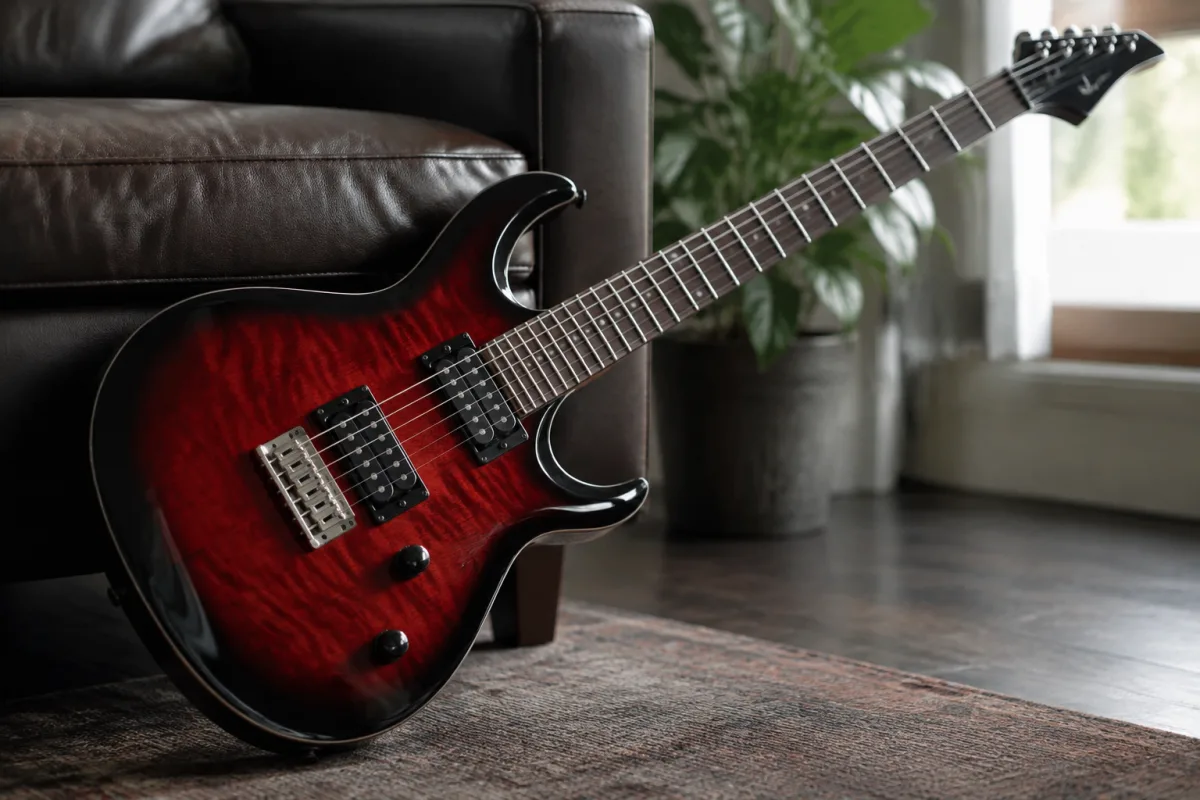
Choosing the Right Double Cut Guitar for Your Needs
A double cut guitar offers something single-cut designs don't: easier access to the higher frets and a body contour designed for comfort during lead work. But there's more to choosing the right one than just the shape. This guide covers what matters when buying a double cut guitar, from body material and pickup config to neck profiles and the real differences between price points.
Why Double Cut? Understanding the Design
The double cut guitar has two horns on either side of the neck, freeing up access to the high frets without the awkward reach a traditional single-cut demands. This design appeals to lead players, shredders, and anyone who spends time above the 15th fret. A double cut guitar also feels lighter to many players and offers a different balance point on the strap compared to a chunky single-cut dreadnought. That said, a double cut guitar doesn't inherently sound "better"—the shape is ergonomic, not sonic.
Body Material: Solid Wood, Chambered, or Hollow
Most modern double cut guitars use solid bodies—one piece of wood, or a laminate sandwich. Solid mahogany on a double cut guitar is warm and resonant; solid ash gives brightness and snap. Maple caps (a thin layer over mahogany) are cosmetic but do influence tone slightly. A chambered double cut guitar (interior cavities carved into the body) is lighter and offers slightly more acoustic resonance than a fully solid instrument, though the difference is subtle when amplified.
Hollow-body and semi-hollow double cut guitars are rarer but appeal to jazz and blues players. Expect those to cost more and require careful handling—feedback is more likely, and humidity affects them more than solid bodies. If you're buying your first double cut guitar, stick to solid bodies unless semi-hollow suits your specific genre.
Hardware Quality: Bridge, Tuners, and Tailpiece
This is where budget cuts hit hard. A cheap double cut guitar often has:
- A poorly machined bridge that goes out of adjustment quickly
- Tuners with slop (play in the gears) that make it hard to stay in tune
- A tailpiece that doesn't hold the strings securely
Pickups: A Critical Choice
A double cut guitar's pickups make or break the instrument. Budget models come with cheap ceramic pickups that sound thin and muddy when overdriven. Mid-range double cut guitars usually have Alnico pickups (warmer, more dynamic) from brands like Duncan, Dimarzio, or Epiphone's own line. Premium models get hand-wound pickups or specs matching the artist signature.
Ask yourself: Do you want versatility (humbuckers on a double cut guitar give you clean tones and fat overdrive) or single-coil snap (ideal for blues and classic rock)? A double cut guitar with mixed pickups (single in neck, humbucker in bridge) is a solid compromise.
Neck Profile and Playability
Feel matters more than specs. A double cut guitar's neck should be comfortable in your hand—neither too thick (hard on the fretting hand) nor too thin (tiring during fast playing). Common profiles are C-shaped (rounded, comfortable), D-shaped (flatter, favoured by rhythm players), and thin modern profiles (fast but less sustain). Try a few double cut guitar models in person if possible. Action (string height) should be tight but not buzzy—ideally 1.8–2.2 mm at the 12th fret.
Price Tiers for Double Cut Guitars
| Price Range | Body Material | Pickups | Best For |
|---|---|---|---|
| £200–400 | Plywood | Ceramic | Beginners, learning rhythm |
| £400–700 | Solid mahogany or alder | Alnico | Enthusiasts, bedroom players, gigging amateurs |
| £700–1,500 | Premium solid wood | Duncan, Dimarzio | Serious gigging players, session musicians |
| £1,500+ | Figured wood, full spec | Hand-wound or artist spec | Collectors, touring professionals |
Common Double Cut Guitar Pitfalls
Don't assume a heavier double cut guitar sounds better—weight correlates with density, not always quality. A cheap 4 kg double cut guitar might sound dull; a 3.5 kg premium one can sing. Don't overlook the nut—a cheap bone nut (or worse, plastic) on an otherwise decent double cut guitar hampers sustain and tuning stability. Don't ignore the fretwork; uneven frets on a double cut guitar make consistent intonation impossible. Demand a full setup (fret level, nut slot carving, truss rod check) on any secondhand double cut guitar you buy.
Amplification and Genre Fit
A double cut guitar is born for plugged-in play. Pair it with an amp that complements the wood—a warm amp on a mahogany double cut guitar gives you creamy lead tones; a cutting amp on an ash body delivers edge. Genre matters: rock, metal, and jazz all love the double cut guitar, but country and folk players rarely choose the shape. If you're just starting out, don't let the shape alone drive your decision; playability and pickup type matter more.
Secondhand Double Cut Guitars
Used double cut guitar markets are strong. Vintage models from the '80s and '90s hold value, and modern affordable double cut guitars from five years ago are bargains now. Check for:
- Neck straightness (sight down from the headstock)
- Fret wear patterns (uneven wear suggests fret work ahead)
- Electronics (test all three pickup positions if humbucking)
- The nut (if it's cracked or shrunken, budget £80–120 for replacement)
Takeaway
The right double cut guitar balances budget, body comfort, and tone vision. For beginners, a solid entry-level double cut guitar around £300–500 teaches you the shape without a large outlay. For gigging players, step up to £700–1,200 for hardware and pickup quality that lasts. For specialists (metal, fusion, jazz), a premium double cut guitar above £1,500 gives you the exact voicing and feel your genre demands. Play before you buy, and if you're new to the double cut guitar shape, read about double cut guitar fundamentals and history to understand why this design has endured.
FAQ
Are double cut guitars only for lead players?
No. Whilst the fret access appeals to lead players, the double cut guitar works for rhythm, blues, and even jazz. The shape is ergonomic, not genre-locked.
What's the best body material for a double cut guitar?
Solid mahogany gives warmth; solid ash gives brightness. Maple caps are cosmetic. For beginners, alder or poplar are fine. What matters more is hardware and pickups than the wood.
Can I play a double cut guitar unplugged?
Yes, though solid-body double cut guitars are quieter unplugged than semi-hollow models. If you plan to play silently, a semi-hollow double cut guitar suits you better.
How much should I spend on my first double cut guitar?
Budget £300–500 for a solid learning instrument. If you gig regularly, invest £700–1,200 for longevity and resale value. Professional-grade double cut guitars start around £1,500.
What's the difference between a double cut guitar and a semi-hollow double cut?
Solid-body double cut guitars are brighter and feedback-resistant; semi-hollow double cut guitars are warmer and more acoustic-sounding but prone to feedback at high volumes.
Is a double cut guitar harder to maintain?
No harder than any electric guitar. Solid-body double cut guitars are stable in humidity. Semi-hollow double cut guitars need steady humidity (40–50%) to avoid cracks. Clean and oil the fretboard every 6 months.
Should I buy new or secondhand?
Both work. New double cut guitars come with a warranty; secondhand double cut guitars are cheaper and often already settled-in sonically. Inspect used guitars for neck bowing and fret wear.
What pickups work best in a double cut guitar?
Humbuckers give fat, warm tones ideal for rock and metal. Single coils give snap and articulation for blues and classic rock. A mix (single-coil neck, humbucker bridge) balances both worlds.


Comments