
Zoom Guitar Effect Pedal article
The Complete Guide to Zoom Guitar Effect Pedal
Zoom guitar effect pedals offer comprehensive multi-effects in portable units. Discover what Zoom effects processors deliver, models available and how to choose one for your playing style.
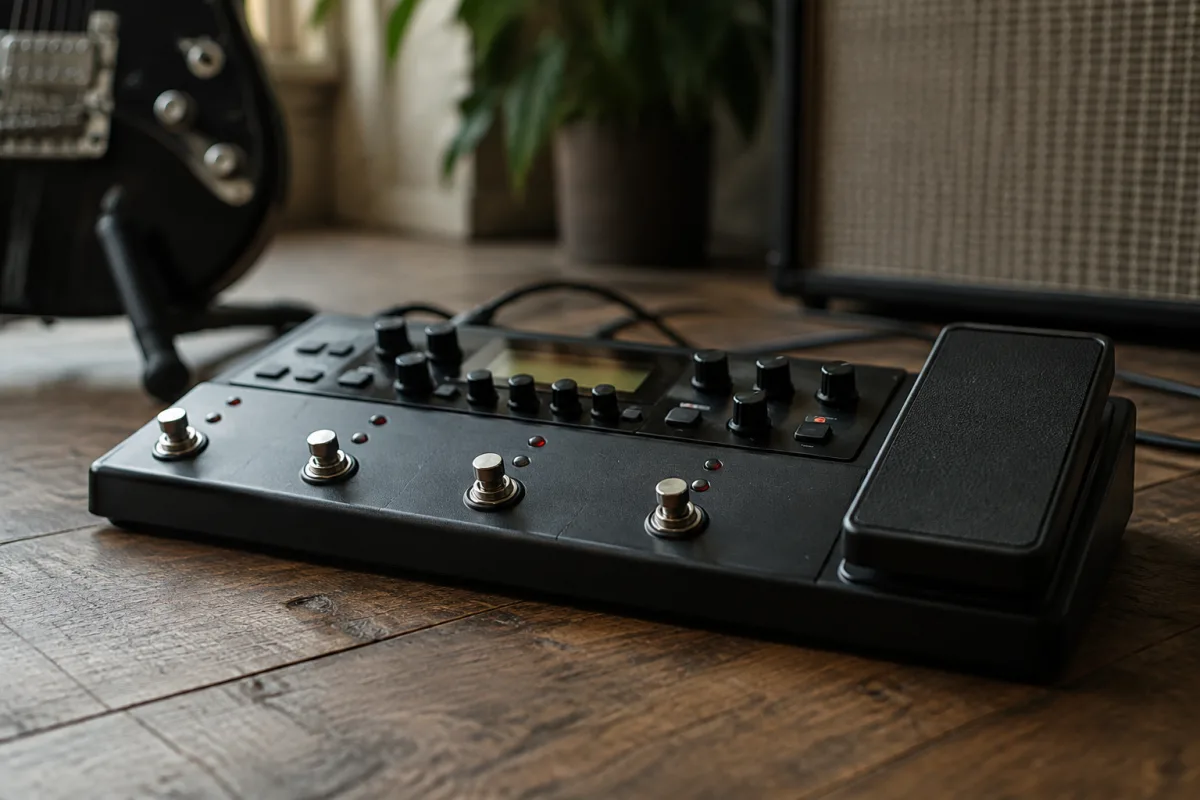
Zoom guitar effect pedals have revolutionised affordable multi-effects for guitarists, packing hundreds of effects, amplifier models and effects chain possibilities into portable floor units. Whether you're a bedroom player exploring effects for the first time, a working musician seeking portable multi-effects or a studio musician requiring quick access to complex effects chains, a Zoom guitar effect pedal delivers comprehensive functionality at a price accessible to any player. This guide explores what Zoom pedals offer, their capabilities and how to decide if one suits your needs.
What Zoom Guitar Effect Pedals Are
Zoom manufactures floor-based multi-effects processors designed specifically for guitarists. Unlike single-purpose pedals (distortion, delay, reverb), Zoom guitar effect pedals integrate hundreds of effects, amplifier simulations, cabinet emulations and effects chains into a single footprint. Most Zoom models include expression pedals for real-time parameter control, footswitches for effect selection and switching, and comprehensive connectivity (USB, audio inputs/outputs, MIDI).
These pedals serve multiple purposes. They function as complete signal processors, replacing bulky pedalboards with a single unit. They work as audio interfaces for recording into computers. They allow experimentation with effects combinations before committing to individual pedal purchases. For touring musicians, they provide reliable, familiar effects in a minimal footprint.
Core Zoom Guitar Effect Pedal Ranges
Zoom manufactures several multi-effects ranges serving different needs and budgets:
- G-Series Pedals — Floor-based units designed for extensive effects combinations and on-stage use. The most full-featured and powerful Zoom options.
- G1 series — Entry-level multi-effects with a smaller footprint and simpler interface than G-series. Suitable for bedrooms and rehearsals.
- MultiStomp Series — Compact, straightforward multi-effects focused on essential sounds and ease of use. Popular for players who find complex interfaces intimidating.
- Pedalboard Editions — Special versions designed to replace traditional pedalboards with single units offering all effects in one.
Effects Library and Capabilities
A typical Zoom guitar effect pedal includes:
- Distortion, overdrive, fuzz and compression effects
- Time-based effects—delay, reverb and modulation (chorus, flanger, phaser)
- Amp simulations—models of classic and modern guitar amplifiers
- Cabinet emulations—speaker/microphone combinations
- Volume control and expression pedal modulation
- Loop recording capabilities for practice or performance
- Setlists allowing organisation of effects chains for different songs
Each effect is usually fully programmable—you adjust all parameters to taste, saving complete effect chains for recall. Effects can be chained together in any order, allowing experimentation with unusual combinations impossible with traditional pedalboards.
Real-Time Control and Expression
Zoom guitar effect pedals feature expression pedals integrated into the unit. These allow real-time parameter control during performance—sweep effects, control wah tone, adjust distortion intensity. The expression pedal is tactile and responsive, nearly matching physical effect pedals in feel and control precision.
Footswitches typically allow effect bypassing, patch selection and effects chain manipulation during performance. Most models feature enough footswitches to control commonly used functions; more complex manipulation requires menu navigation.
Recording and USB Connectivity
Many Zoom models function as audio interfaces, connecting to computers via USB. This allows direct recording of guitar tone processed through Zoom effects into DAWs. A capable audio interface with effects, essentially. This functionality alone—a multi-effects processor that also serves as a recording interface—represents significant value.
Some models include looper functionality, allowing recording of phrases and overdubbing multiple layers. Loopers are popular for practice and for creating layered performance textures live.
Choosing Your Zoom Guitar Effect Pedal
Several considerations guide selection:
| Factor | Guidance |
|---|---|
| Primary Use | Bedroom experimentation suits entry-level pedals. Gigging musicians need sturdy, tour-worthy units. Studio recording benefits from quality effects and USB connectivity. |
| Interface Complexity | Simpler interfaces suit players intimidated by complex menus. G-series offer maximum control but steeper learning curves. Consider whether you'll exploit advanced features or prefer simplicity. |
| Effects Library Size | More effects aren't always better if you rarely use most of them. However, comprehensive libraries allow experimentation. Verify your pedal includes effects types important to your music. |
| Footprint and Portability | Compact models fit small venues and travel easily. Larger units offer more footswitches and controls. Choose based on your typical playing environment. |
| Expression Pedal Feel | Expression pedals vary in feel and responsiveness. Test if possible; a pedal that feels awkward during play will frustrate you regardless of effects quality. |
Zoom Pedals for Different Contexts
Bedroom musicians appreciate the effects library and experimentation possibilities without pedal commitment. Recording engineers use them as effects processors and audio interfaces. Touring musicians value reliability and portability—Zoom pedals are tour-proven equipment respected by professionals. Teaching musicians use them to demonstrate effects and combinations to students.
Upgrading and Modifying Zoom Effects
Most Zoom models accept firmware updates adding new effects and capabilities. Checking the manufacturer's website and installing available updates ensures your pedal has the latest features and bug fixes. Some models allow third-party effect development—custom effects expanding the already-comprehensive library.
Value and Alternatives
Zoom pedals represent substantial value. A G-series floor unit costs less than a collection of quality individual pedals delivering similar effects range. The comprehensive effects library means you likely won't outgrow the pedal quickly. Resale value remains reasonable; used Zoom pedals find willing buyers because the value proposition remains excellent.
For comparison: building an equivalent pedalboard from individual quality pedals requires significantly more investment and more space. Zoom's integrated approach offers convenience and economy.
Learning Curve and Support
Zoom guitar effect pedals are intuitive enough for beginners but deep enough for expert-level sound design. Extensive online communities share effect settings and workflows. Zoom provides documentation and tutorials. YouTube hosts countless demonstration videos and sound examples. Learning to maximise your pedal's potential is absolutely achievable.
Conclusion
Zoom guitar effect pedals democratised multi-effects access, offering comprehensive effects libraries and professional-quality sounds at prices accessible to any player. Whether you're exploring effects experimentally, replacing a complex pedalboard or seeking a reliable, portable solution, a Zoom guitar effect pedal delivers genuine capability and flexibility. The combination of effects range, ease of use, recording capabilities and proven reliability makes Zoom a sensible choice for guitarists at any level.


Comments