


Yamaha Bass 5 Strings Buying guide
Yamaha Bass 5 Strings: A Complete Buyer's Guide
Choosing the right Yamaha bass 5 strings instrument requires understanding construction quality, neck specifications, and electronics. Our guide helps you make an informed decision.
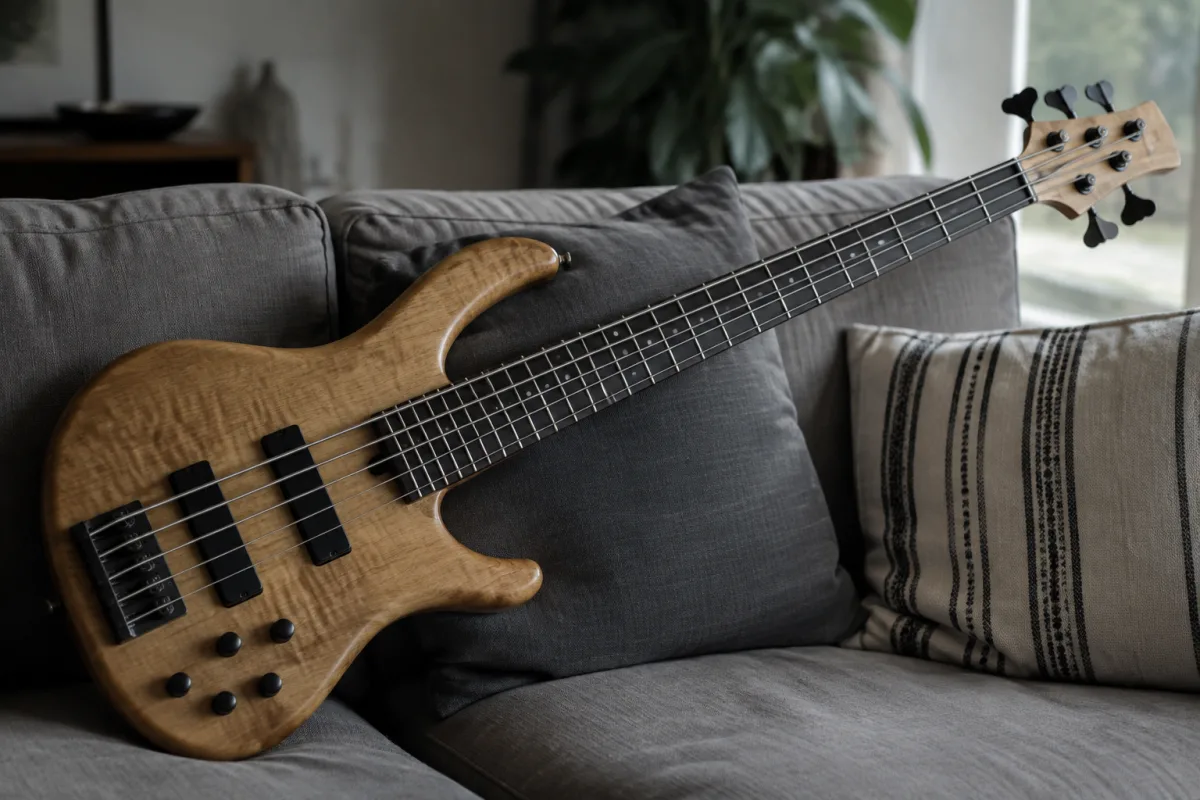
Yamaha bass 5 strings instruments represent some of the most reliable and versatile options in the five-string bass market. Whether you're looking for your first five-string bass or upgrading to a Yamaha bass 5 strings model, understanding what separates exceptional instruments from average ones is essential for making a smart purchase. This buying guide covers the key specifications, quality indicators, and value considerations when selecting a Yamaha bass 5 strings instrument that matches your needs and budget.
Understanding Yamaha Bass 5 Strings Quality Tiers
Yamaha bass 5 strings instruments span several product lines, each designed for different skill levels and budgets. Entry-level Yamaha bass 5 strings models are affordable and surprisingly solid for beginners, offering decent playability and durability. Mid-range Yamaha bass 5 strings instruments provide significant improvements in tone, hardware quality, and aesthetic appeal. Professional-grade Yamaha bass 5 strings models represent the company's best engineering and are sought after by working musicians worldwide. Understanding these tiers helps you match your investment to your actual needs and skill development stage.
Body and Construction Quality
When evaluating a Yamaha bass 5 strings instrument, examine the body wood first. Budget Yamaha bass 5 strings models often use basswood or poplar, which provides good resonance and is lightweight. Higher-end Yamaha bass 5 strings instruments feature selected woods like alder or ash bodies, which deliver enhanced tone and feel more substantial when played standing up. Check that the body finish on your Yamaha bass 5 strings is even without drips or runs—this indicates quality control during manufacturing.
The fifth string on a Yamaha bass 5 strings model must be well integrated into the overall instrument balance. Poor Yamaha bass 5 strings designs make the extended range feel tacked-on rather than natural. Test this by playing across all strings and checking that the instrument feels balanced when slung across your body. Your Yamaha bass 5 strings should feel like a complete instrument, not an awkward compromise.
Neck Specifications and Playability
The neck is critical when choosing a Yamaha bass 5 strings model. Yamaha bass 5 strings instruments typically feature one of several neck profiles—examine the specification to find one that matches your hand size. A neck that's too wide makes a Yamaha bass 5 strings difficult to play for small hands; too narrow on a Yamaha bass 5 strings can feel cramped for larger players.
Check the fret crown and level on any Yamaha bass 5 strings you're considering. Run your finger along the frets; they should feel evenly crowned with no dead spots. A Yamaha bass 5 strings with poor fret work will develop intonation problems as you play. Ask whether the Yamaha bass 5 strings has been professionally set up before delivery—many retailers do this complimentary.
Electronics and Hardware on Yamaha Bass 5 Strings
The electronics and hardware determine how a Yamaha bass 5 strings sounds and responds. Lower-end Yamaha bass 5 strings models come with basic pickup and preamp configurations. Mid-range Yamaha bass 5 strings instruments include more sophisticated electronics that offer greater tonal flexibility. Professional Yamaha bass 5 strings models feature premium pickups and preamps designed for recording and touring.
Check what hardware your Yamaha bass 5 strings carries. Quality bridge saddles on a Yamaha bass 5 strings are essential for sustain and intonation. Tuning machines on a Yamaha bass 5 strings should turn smoothly without play or grinding sounds. These details separate a Yamaha bass 5 strings that feels professional from one that feels cheap.
Price Ranges for Yamaha Bass 5 Strings Models
Entry-level Yamaha bass 5 strings instruments (£400–700) offer good value for students and hobbyists. These Yamaha bass 5 strings models are playable and reliable, though they lack the refinement of higher tiers. Intermediate Yamaha bass 5 strings models (£700–1200) represent excellent value and satisfaction for most players. They offer noticeable improvements in tone and playability compared to budget Yamaha bass 5 strings instruments. Professional Yamaha bass 5 strings models (£1200+) are chosen by touring and recording musicians who demand the best from their instrument.
Your budget should reflect how seriously you play. A Yamaha bass 5 strings that costs £400 is a reasonable investment to test five-string playing; a £800 Yamaha bass 5 strings is a serious instrument you'll use for years.
Common Buying Mistakes with Yamaha Bass 5 Strings
When shopping for a Yamaha bass 5 strings model, avoid these typical errors:
- Buying purely by looks: A gorgeous Yamaha bass 5 strings that doesn't play well is still a poor investment. Playability matters far more than cosmetics.
- Overlooking setup: A Yamaha bass 5 strings that's poorly set up from the factory will feel frustrating. Budget for professional setup if your retailer doesn't offer it.
- Ignoring your hand size: A Yamaha bass 5 strings neck that's too wide or narrow becomes more uncomfortable the longer you play. Test extensively before buying.
- Forgetting about resale value: Some Yamaha bass 5 strings models hold value better than others. Premium Yamaha bass 5 strings instruments are easier to resell later.
- Buying without playing: Online shopping for a Yamaha bass 5 strings is risky. You need to feel and hear your instrument before committing. Visit a retailer with Yamaha bass 5 strings instruments in stock.
Take your time with a Yamaha bass 5 strings purchase. This instrument will be with you for many years.
Testing Your Yamaha Bass 5 Strings Before Buying
When you've found a Yamaha bass 5 strings you like, spend at least fifteen minutes playing it. Check the action (string height) across all frets. Ensure your Yamaha bass 5 strings sustains notes evenly across the fingerboard and that the B string (the fifth on a Yamaha bass 5 strings) isn't muddy or weak. Listen to how your Yamaha bass 5 strings resonates acoustically before amplified.
For complete information about Yamaha bass 5 strings instruments and how they compare to other five-string options, see our complete guide to Yamaha bass 5 strings. It covers the full range of Yamaha five-string models, technical specifications, and recommendations for different player types.
Making Your Yamaha Bass 5 Strings Decision
Choose your Yamaha bass 5 strings based on three criteria: your budget, your skill level, and how the instrument feels in your hands. A good Yamaha bass 5 strings should inspire you to play more, not frustrate you with poor playability or tone. Trust your hands and ears, and don't settle for a Yamaha bass 5 strings that doesn't feel right.


Comments