
Volume Pedals Guitar article
The Complete Guide to Volume Pedals Guitar
Complete guide to volume pedals for guitarists covering functionality, types, applications, and how to integrate foot-controlled dynamics into your performance setup.
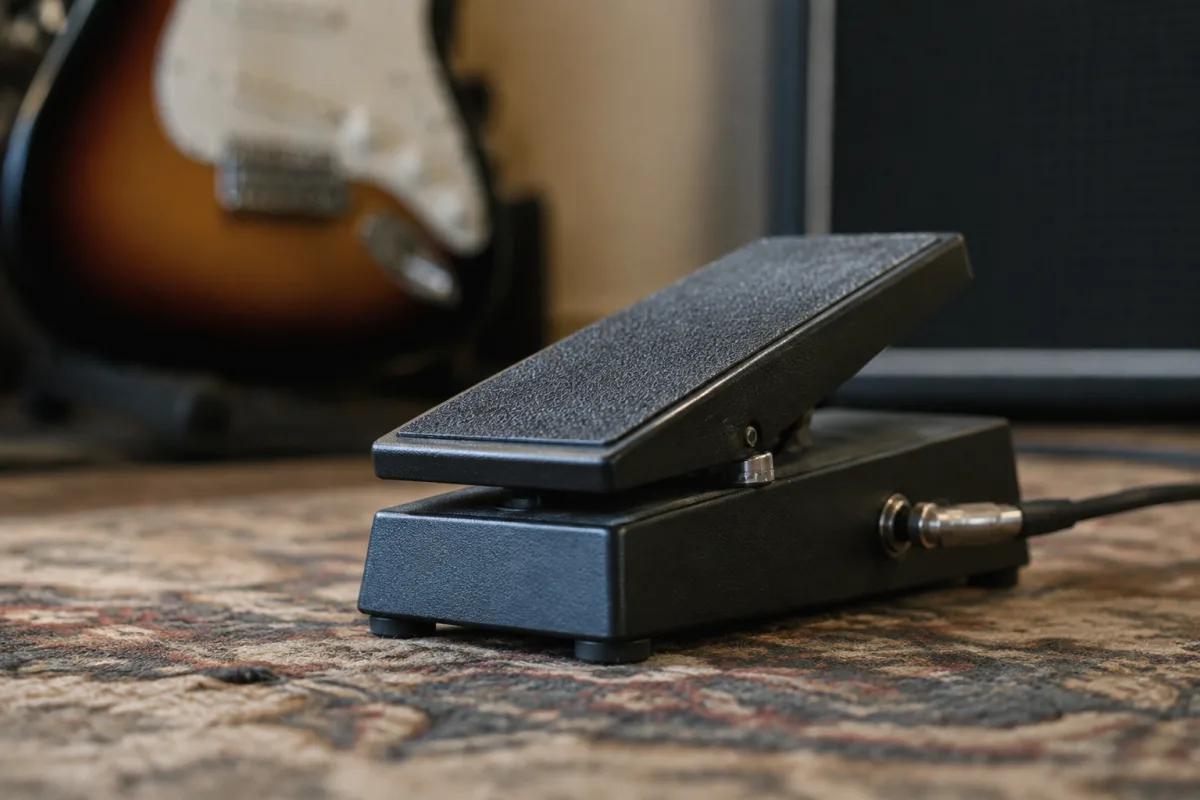
Volume pedals represent one of the most essential tools for guitarists and bassists seeking dynamic control over their instrument output. Whether you're performing live, recording in studios, or practising at home, volume pedals guitar solutions provide the responsive, foot-controlled dynamics that modern performers demand. Understanding how volume pedals function and selecting the right model for your musical style will enhance your playing possibilities and give you superior control during performances.
What Volume Pedals Do
A volume pedal for guitar controls your instrument's output level using your foot, allowing hands-free volume adjustments during performances. This technology enables smooth swells, dynamic expression, and seamless mixing between lead and rhythm playing without stopping to adjust amplifier controls. Volume pedals guitar players use range from simple expression pedals to sophisticated devices with additional features.
Expression Versus Volume
Expression pedals control various parameters—volume, wah effect, or any assignable MIDI parameter. Volume pedals specifically target output level control. Many volume pedals guitar units combine both functions, providing expression control over volume or other effects. Understanding these distinctions helps you select equipment matching your performance needs exactly.
Types and Configurations
Passive volume pedals require no power and use purely mechanical resistance. Active volume pedals include buffering electronics that maintain signal quality regardless of resistance position. Volume pedals guitar options include single-stage designs for simple volume control and multi-stage models offering expression control, blend mixing, and effect parameter manipulation. Choose based on your specific needs and signal chain requirements.
Integration into Your Setup
Position volume pedals at the beginning of your signal chain for optimal control over your instrument's raw output, or place them later to control the final mixed signal. Most volume pedals guitar models include input and output jacks for straightforward integration. Some connect via MIDI, allowing sophisticated control in complex setups. Your placement choice affects overall tone control characteristics.
Application Examples
Jazz and blues musicians use volume pedals for expressive swells that define their style. Rock performers employ volume pedals for dynamic lead playing and rhythm-to-lead transitions. Classical guitarists use expression control for natural dynamic variation. Studio engineers use volume pedals during recording sessions for hands-free level adjustment. Live performers depend on volume pedals for consistent output management during extended performances.
Key Features to Consider
Quality volume pedals guitar units feature smooth potentiometers preventing crackling. Dual footswitches on some models enable features like expression on/off toggling. Built-in buffers protect tone on longer cable runs. Heavy construction prevents movement during performance. LED indicators on active pedals show function status. Premium materials ensure durability through years of regular use.
Maintenance and Care
Keep your volume pedal clean, avoiding excessive dust accumulation. Test periodically to ensure smooth operation without crackling. Replace batteries in active units regularly. Store in protective cases to prevent impact damage. Professional servicing can restore older volume pedals to like-new condition.
Conclusion
A quality volume pedal transforms your performance capabilities, providing dynamic control that separates good performances from great ones. Whether recording studio work or touring internationally, volume pedals guitar players trust deliver the responsive, reliable control essential for modern playing. Selecting the right model for your musical style enhances expression and gives you complete output management exactly when needed, making these pedals indispensable tools for serious performers.


Comments