


Vinyl Box Buying guide
Vinyl Box: A Complete Buyer's Guide
Choosing the right vinyl box protects your records and keeps them organised. This guide covers materials, capacity, environmental protection, and practical features to help you select the perfect storage solution.
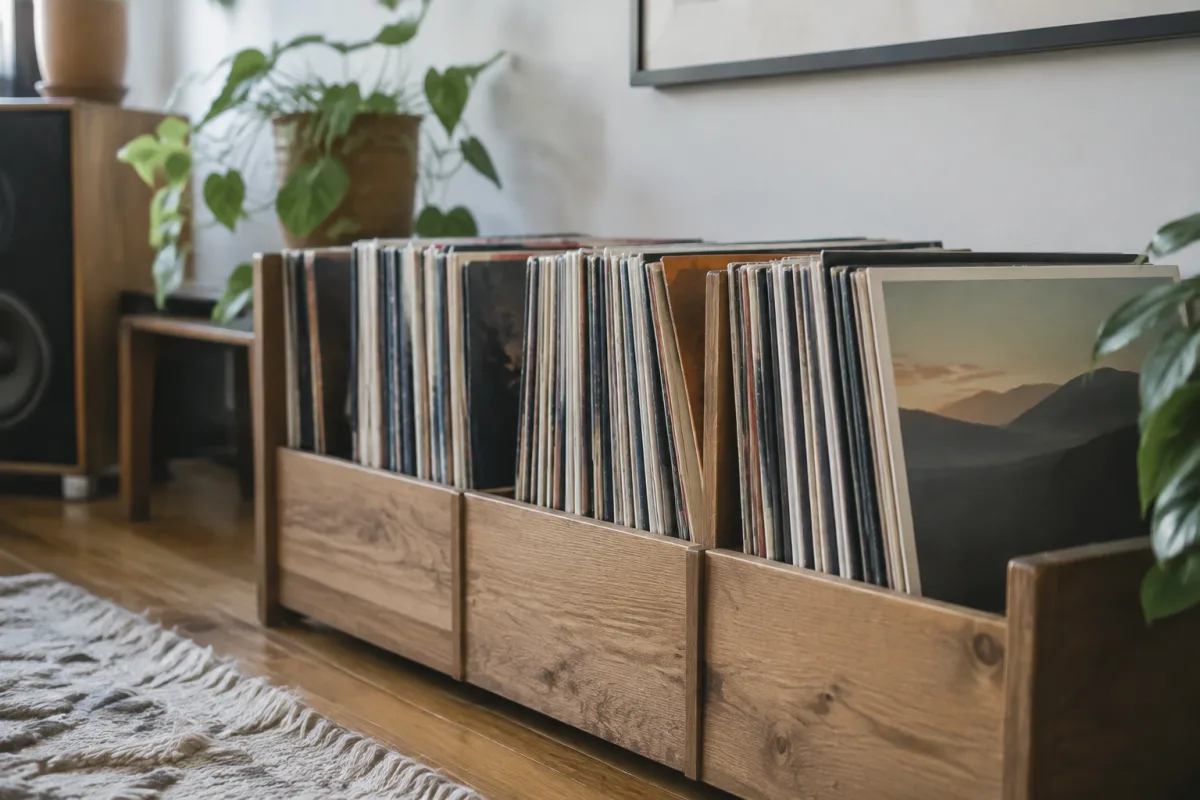
If you're building a vinyl collection, storage matters far more than most collectors initially realise. A quality vinyl box protects your records from dust, humidity, and damage whilst keeping them organised and accessible. This guide focuses on the practical considerations when buying a vinyl box—what to evaluate, which features actually matter, and how to avoid common mistakes.
Understanding Vinyl Box Styles and Capacity
Vinyl boxes come in distinct categories. Storage vinyl box options designed for serious collectors hold anywhere from 50 to 100+ records. Display vinyl box solutions prioritise aesthetics alongside protection, often featuring glass panels or open designs. Travel vinyl box cases offer portable protection for DJs or collectors moving records between locations. Understanding which vinyl box style suits your needs determines whether your purchase becomes a genuine asset or wasted money. For a comprehensive overview of what vinyl boxes are and how they fit into music storage solutions, check our complete guide to vinyl boxes.
Capacity is the obvious metric. Before choosing a vinyl box, count how many records you own and plan to own. A vinyl box that seems spacious today might overflow within months if your collecting habits run deep. Overloading a vinyl box causes warping and prevents proper ventilation, ultimately damaging the records you're trying to protect.
Materials and Construction Quality
The best vinyl box choices use rigid materials that maintain shape under load. Medium-density fiberboard (MDF) and solid wood represent premium options, though they're heavier and more expensive. Durable plastic vinyl box options offer lighter weight and excellent durability at lower cost, though they lack the aesthetic appeal of wood. Cardboard-based vinyl box solutions exist but offer minimal protection compared to alternatives—avoid these unless budget absolutely constrains your choice.
Reinforced corners and internal support structures separate quality vinyl box options from flimsy alternatives. If you can, inspect a vinyl box's construction physically before buying. Check whether interior dividers are removable and adjustable—that flexibility matters as your collection evolves.
Environmental Protection Considerations
Vinyl deteriorates when exposed to temperature fluctuations, humidity, and light. Premium vinyl box solutions often feature lids that seal partially or fully, creating microenvironments that buffer against room conditions. While no vinyl box provides perfect climate control, even basic sealed designs outperform open shelving dramatically.
Interior padding in a vinyl box prevents records from sliding and rubbing. Some vinyl box options include felt or foam lining; others require you to add your own. If you're storing valuable records, prioritise vinyl box options with integrated padding or plan to line the box yourself with acid-free materials.
Check whether your chosen vinyl box accommodates different record sizes. Most hold standard 12-inch LPs, but if you collect 7-inch singles or 10-inch formats, verify that your vinyl box won't waste space with inadequate divider options.
Practical Features to Evaluate
Handles on a vinyl box transform storage from stationary to portable. If you'll move your vinyl box even occasionally, reinforced handles prevent strain and damage. Quality vinyl box designs feature handles at both ends, distributing weight evenly.
Removable dividers let you organise records however suits your system. Some collectors organise vinyl box contents alphabetically, others by genre or chronologically. The best vinyl box options provide adjustable dividers that adapt to your organisational philosophy rather than forcing a single approach.
Ventilation features in a vinyl box prevent moisture accumulation without sacrificing protection. Look for vinyl box designs that incorporate subtle venting, or plan to leave a gap when closing the lid if your vinyl box fully seals.
Stacking capability matters for space-conscious collectors. If you'll eventually own multiple vinyl box solutions, check whether they're designed to stack safely. Poorly designed vinyl box stacks can collapse or crush lower boxes.
Price Ranges and Value Assessment
Budget vinyl box options start around £20–£40. These handle basic storage adequately but often lack padding, use thin materials, and have minimal environmental protection. Mid-range vinyl box solutions cost £40–£100, offering better construction, interior padding, and improved aesthetics. Premium vinyl box options exceed £100, featuring superior materials, detailed craftsmanship, and sophisticated design.
Don't assume premium pricing correlates with better protection. A mid-range vinyl box from a reputable manufacturer often outperforms an overpriced luxury alternative. Research actual user experiences with specific vinyl box models before committing.
Common Mistakes When Choosing a Vinyl Box
Underestimating future collection growth leads to replacing vinyl box solutions prematurely. Buy a larger vinyl box than you currently need—collections tend to expand faster than expected.
Neglecting to check internal dimensions causes frustration. A vinyl box that looks spacious might only fit records upright when you prefer storing them flat, or vice versa. Verify that your vinyl box accommodates your preferred orientation.
Purchasing vinyl box solutions without considering where you'll place them wastes money. Will it fit through doorways? Does it fit your shelf space? Measure before buying—a gorgeous vinyl box that doesn't fit your room is merely decorative.
Assuming all vinyl box options provide equivalent protection is misguided. Budget vinyl box models may use cardboard or thin plastic that offers minimal defence against humidity, dust, and temperature fluctuations. If your records have genuine value to you, invest accordingly in your vinyl box.
Buying vinyl box solutions purely for aesthetics when you need practical storage often results in inadequate protection. While appearance matters, protect your records first—visual appeal comes second.
Making Your Final Decision
Before shopping, identify your priorities. If you're building a collection you'll actively use, prioritise a functional vinyl box with good ventilation and easy access. For display purposes, aesthetic vinyl box options matter more. If you transport records frequently, prioritise a robust vinyl box with reliable handles and protective materials.
Consider your available space and budget, then evaluate vinyl box options within that scope. Research user reviews focusing on durability reports—check whether vinyl box models hold up over years of use. Read comments about environmental protection and how well vinyl box construction actually prevents warping.
When possible, inspect a vinyl box before purchasing. Check the weight, test the handles, examine the construction quality, and verify that interior dimensions match your needs. Physical inspection prevents dissatisfaction that online photos can't convey.
Remember that your vinyl box is a tool for preservation, not a statement piece. The best vinyl box for your needs is one that protects your records reliably, fits your space, suits your budget, and accommodates your collection—not necessarily the most expensive, most trendy, or most aesthetically striking option available.


Comments