
Vinyl Album Box article
The Complete Guide to Vinyl Album Box
A quality vinyl album box protects your records from dust and damage whilst keeping them organized. Discover how to choose the right box and store vinyl properly.
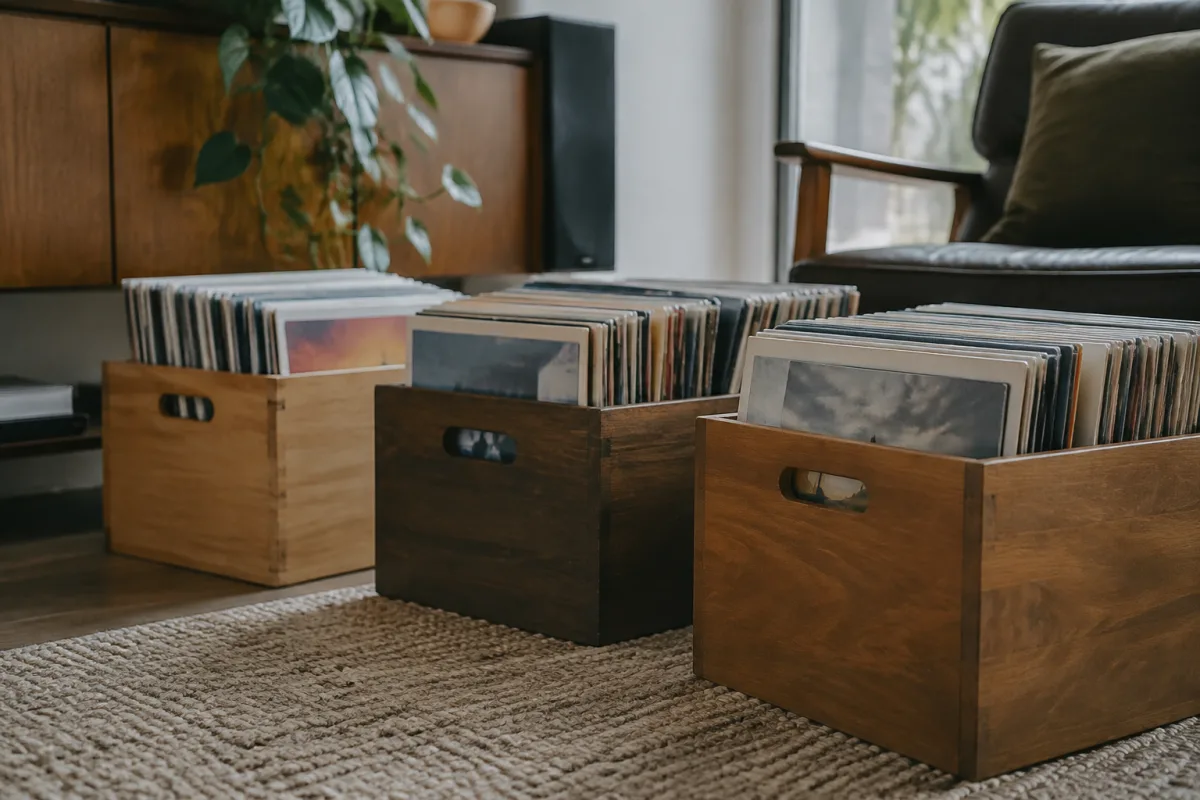
A vinyl collection is only as good as its storage. A quality vinyl album box protects your records from damage whilst keeping them organized and accessible. Whether you're a casual collector with a dozen albums or a serious enthusiast with hundreds, choosing the right vinyl album box is essential for preserving your investment.
Why You Need a Vinyl Album Box
Vinyl records are surprisingly delicate. Dust, temperature fluctuations, and improper stacking all degrade sound quality and damage album artwork. A dedicated vinyl album box solves these problems by providing a dust-free, climate-stable environment where your records stand upright and protected. Beyond protection, a vinyl album box keeps your collection organized so you can find albums easily and display them attractively.
Types of Vinyl Album Boxes
The market offers several styles of vinyl album box, each suited to different needs and spaces:
- Cardboard and corrugated boxes: Affordable and lightweight, though they degrade over time and offer minimal climate control. Best for short-term storage or transport.
- Wooden vinyl album boxes: Sturdy and attractive, wooden boxes work well for display. Look for boxes with interior dividers to prevent records from shifting and damaging neighbouring sleeves.
- Plastic storage containers: Durable and waterproof, plastic vinyl album boxes protect against moisture and pests. They're ideal if your collection sits in a garage, attic, or basement.
- Metal filing cabinets: Professional-grade vinyl album boxes offer excellent protection and can hold large collections. They're more expensive but built to last decades.
- Specialized furniture: Record cabinets and shelving systems designed specifically for vinyl album storage combine protection with display capability.
Choosing the Right Vinyl Album Box for Your Collection
Start by counting your records to determine capacity. A single vinyl album box typically holds 20–60 albums depending on the design and how densely you pack them. Consider where you'll keep the box: a bedroom shelf might call for attractive wood, whilst a basement storage area could use robust plastic. Think about accessibility too — if you play records regularly, choose a box with a design that lets you reach albums easily without disturbing the entire stack.
Material matters as well. Wooden vinyl album boxes look beautiful but require stable temperature and humidity. Plastic containers resist warping and moisture, making them ideal for challenging environments. Metal cabinets offer the best protection but demand floor space and come at a premium price.
Proper Storage Techniques Inside Your Vinyl Album Box
Even the best vinyl album box won't protect your records if you don't store them correctly inside. Always stand albums upright — never stack them flat, as this warps the records over time. Leave a small gap between albums so they don't press against each other and damage sleeves. Use dividers to prevent shifting, and consider inner sleeves to protect record surfaces from paper sleeve damage.
Keep your vinyl album box away from direct sunlight, heaters, and damp areas. Aim for a stable temperature between 16–18 °C and relative humidity between 35–50%. Extreme heat can cause records to warp, whilst high humidity invites mould and warping. If your collection lives in a variable climate, consider a vinyl album box with climate-control features or add silica gel packets to absorb excess moisture.
Maintaining Your Collection in a Vinyl Album Box
A vinyl album box is only the first step. Clean your records before placing them in the box, using a soft brush and appropriate vinyl cleaning solution to remove dust and debris. Check the condition of sleeves and replace damaged ones with archival-quality inner sleeves. Review your collection periodically — every six months or so — to spot signs of warping, mould, or pest damage, and address problems before they spread.
Vinyl Album Box Capacity and Organization
Organize your vinyl album box logically so you can find albums quickly. Many collectors sort by genre, era, artist, or a personal system that makes sense to them. A well-organized vinyl album box makes the collection more enjoyable to browse and easier to spot gaps where you'd like to add albums. Label dividers clearly if your vinyl album box is opaque or sits on a shelf.
Vinyl Album Box Options for Different Budgets
Budget-conscious collectors can start with sturdy cardboard boxes from music shops or specialist retailers, then upgrade to better storage as the collection grows. Mid-range wooden vinyl album boxes offer an attractive balance of aesthetics and protection. For serious collectors or those storing hundreds of records, metal cabinets and purpose-built furniture represent a long-term investment that pays dividends in preservation and enjoyment.
Conclusion
Your vinyl album collection deserves proper storage, and a quality vinyl album box is the foundation of good care. Whether you choose wood, plastic, or metal, the key is selecting a solution that fits your space, budget, and collection size, then maintaining stable conditions and organizing thoughtfully. With a vinyl album box and proper storage practices, you'll preserve your records for decades of listening pleasure.


Comments