
Upright Electric Bass Guitars article
The Complete Guide to Upright Electric Bass Guitars
Upright electric bass guitars bridge traditional acoustic upright bass heritage with modern electric versatility. Discover their distinctive tone, playing technique, and role in jazz, fusion, and experimental music.
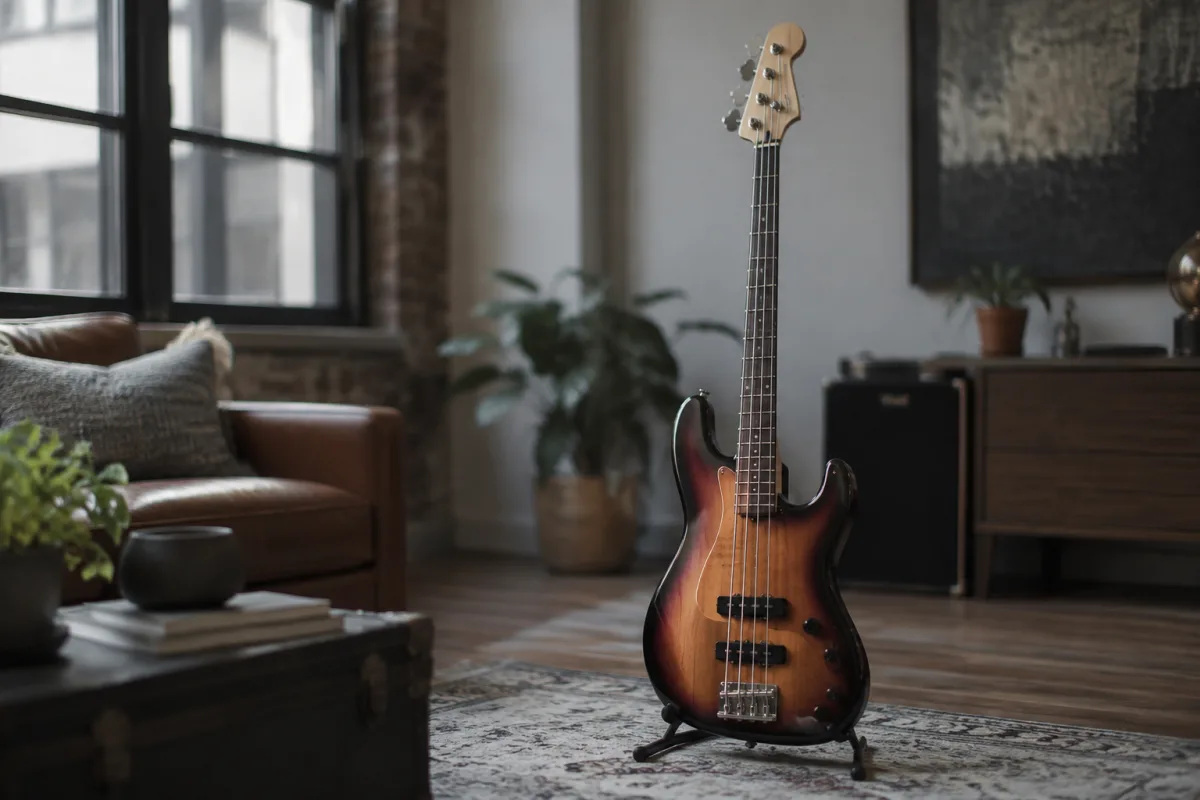
Upright electric bass guitars represent a unique bridge between the traditional upright acoustic bass and modern electric bass instruments. For musicians seeking the iconic tall, resonant aesthetic of an upright bass combined with the amplification and portability advantages of electric instruments, upright electric bass guitars offer a compelling solution. Whether you're drawn to jazz tradition, exploring alternative instruments, or seeking a distinctive visual statement on stage, understanding upright electric bass guitars helps you make an informed decision about this specialised instrument category.
What Are Upright Electric Bass Guitars?
Upright electric bass guitars are solid or semi-hollow body electric instruments designed in a vertical orientation similar to the classical upright acoustic bass. Unlike traditional acoustic upright basses that rely on physical body resonance for tone, upright electric bass guitars use pickups and amplification to produce their sound. The instrument stands vertically on an endpin (a pointed rod that rests on the floor), allowing players to adopt the traditional upright bass playing posture whilst benefiting from modern electric amplification and tonal flexibility.
Upright electric bass guitars typically feature fretted fingerboards (unlike traditional upright basses which are fretless), making them more accessible to guitarists transitioning to bass. The vertical orientation requires modified playing technique compared to horizontal electric bass guitars, as the left hand position and right-hand plucking technique differ significantly, creating an instrument that demands adjustment for players accustomed to conventional bass guitars.
The Appeal and Sonic Character of Upright Electric Bass Guitars
Upright electric bass guitars deliver a distinctive sonic character that bridges acoustic warmth with electric amplification versatility. The vertical body design naturally produces tones with more fundamental punch and resonance compared to traditional solid-body electric basses. These instruments excel in jazz, upright-influenced rock, and genres valuing a warm, woody bass tone. When played acoustically without amplification, upright electric bass guitars produce surprising volume and tone depth—a characteristic rarely found in solid-body electric basses.
The tonal palette of upright electric bass guitars is surprisingly varied. Running through a clean amplifier produces woody, organic tones reminiscent of traditional acoustic upright basses but with greater sustain and control. Pushing the amplifier into slight overdrive creates a compressed, warm tone beloved in many jazz and R&B contexts. Some players employ fuzz or distortion pedals to transform upright electric bass guitars into aggressive, unconventional instruments perfect for experimental rock and avant-garde settings.
Construction and Design Considerations
Upright electric bass guitars are typically constructed from hardwoods selected for their tonal properties. Common wood choices include spruce for the top (resonating board), maple or willow for the body, and various options for the neck and fingerboard. The construction varies significantly between manufacturers—some craft solid-body designs, whilst others use semi-hollow bodies with internal bracing to enhance acoustic resonance. The endpin, typically made from stainless steel or hardwood, anchors the instrument to the floor during play.
The body dimensions of upright electric bass guitars fall between traditional acoustic upright basses (which are quite large) and conventional electric bass guitars. This middle ground offers several advantages: players get more body-side tone than solid-body electric basses without the unwieldy size of full acoustic instruments. Weight varies considerably depending on the materials and construction method, typically ranging from 10 to 15 pounds (4.5 to 6.8 kilograms).
Playing Technique and Transition Challenges
The vertical orientation of upright electric bass guitars demands technique adjustments for players trained on horizontal bass guitars. The left hand must reach higher on the fingerboard, and the playing angle requires different finger positioning for optimal comfort and control. Right-hand technique also differs—traditional upright bass players use the bow, whilst fingerstyle players adopt the "Simandl" or "German" technique involving the thumb and fingers plucking in specific patterns.
Guitarists transitioning to upright electric bass guitars benefit from the fretted fingerboard and relatively familiar scale length (often similar to electric bass instruments), but experienced electric bass players may struggle with the vertical orientation initially. The learning curve is manageable but requires patience and practice. Many players find that starting with fretted upright electric bass guitars (rather than the fretless versions) eases the transition significantly.
Picking an Upright Electric Bass Guitar: Key Considerations
When selecting upright electric bass guitars, assess the build quality first—the fingerboard should be straight and properly dressed, the neck must have appropriate curvature without excessive bowing, and hardware should operate smoothly. Test the endpin height adjustment; it should lock securely in any position. The transition from where the body meets the extended neck should be smooth and comfortable for your left hand.
Consider the pickup configuration carefully. Most upright electric bass guitars feature one or two pickups positioned near the bridge or neck. Dual-pickup designs typically offer more tonal versatility through blending. The preamp (if equipped) should provide intuitive controls for volume, tone shaping, and potentially presence or high-pass filtering. Test the output level—some upright electric bass guitars produce surprisingly hot signals, while others require careful gain-staging with your amplifier.
Sound and Tone Shaping on Upright Electric Bass Guitars
The flexibility of upright electric bass guitars for tone-shaping is one of their key advantages over traditional acoustic upright basses. At the instrument level, the pickup position selection (neck vs. bridge) dramatically alters the tone—neck pickups produce warmer, more woody tones, whilst bridge pickups emphasise clarity and attack. Adjusting string height (action) affects tone character significantly; lower action produces a slightly thinner, more responsive tone, whilst higher action yields fuller, rounder tones with more sustain.
Effects and amplification dramatically expand upright electric bass guitars' sonic palette. A warm, tube-based amplifier emphasized rounded lows and mids, whilst modern solid-state amplifiers deliver clarity and definition. Compression pedals tighten the tone and create sustain; overdrive and distortion units transform these instruments into aggressive weapons. Envelope filters and synth pedals push upright electric bass guitars into experimental territory, making them suitable for genres beyond traditional jazz and classical contexts.
Notable Upright Electric Bass Guitar Manufacturers
Several dedicated luthiers and established manufacturers produce upright electric bass guitars. Ned Steinberger's innovative designs pioneered modern upright electric bass guitar concepts with his fretless and fretted models. Palatino manufactures student and professional-level upright electric bass guitars suitable for jazz and classical contexts. Thomann and other retailers stock various budget-friendly upright electric bass guitars, though quality can vary significantly at lower price points.
Hand-crafted custom upright electric bass guitars from specialised luthiers represent the premium end of the market, offering superior construction, tonal refinement, and customisation. These bespoke instruments often command prices comparable to or exceeding professional acoustic upright basses, reflecting the skilled craftsmanship involved. Vintage upright electric bass guitars from the 1950s and 1960s occasionally appear on the second-hand market, offering character and history for collectors and tradition-minded musicians.
Genres and Musical Styles Best Suited to Upright Electric Bass Guitars
Jazz remains the primary genre for upright electric bass guitars, particularly subgenres emphasising acoustic warmth and traditional tonality. Upright electric bass guitars excel in bebop, cool jazz, and traditional jazz settings where the instrument's warm tone integrates beautifully with acoustic instruments. Many contemporary jazz musicians favour upright electric bass guitars specifically for recording purposes, where their acoustic resonance and tonal character enhance mix clarity.
Beyond jazz, upright electric bass guitars appear in folk, bluegrass, and world music contexts where the acoustic aesthetic aligns with the music's character. Progressive rock and fusion bands occasionally employ upright electric bass guitars for their distinctive visual presence and sonic contribution. Experimental and avant-garde musicians appreciate upright electric bass guitars' ability to convey tradition whilst embracing modern effects and distortion. Rockabilly and retro-rock musicians use upright electric bass guitars specifically for their iconic 1950s aesthetic.
Amplification and Performance Setups
Upright electric bass guitars require amplification to reach suitable stage volumes, though they produce genuine acoustic tone at moderate practice volumes without amplification. A quality bass amplifier rated 200 watts or higher suits most performance contexts. Combo amplifiers (combining amplifier and speaker in one unit) offer portability and reliability, whilst separate amplifier heads paired with dedicated bass cabinets provide more tonal flexibility and power handling for larger venues.
Your amplifier's tone shaping capabilities significantly affect upright electric bass guitars' performance. A well-equipped amplifier with EQ controls (low, mid, high) allows careful crafting of tone to match your musical context. Some players find that upright electric bass guitars benefit from slightly scooped EQ (emphasising low and high frequencies whilst reducing mids) to enhance clarity. Others prefer a more natural tone curve that flatters the instrument's inherent warmth.
Conclusion
Upright electric bass guitars occupy a unique and rewarding position in the modern musician's toolkit. Bridging the gap between traditional acoustic upright bass heritage and contemporary electric instrument versatility, upright electric bass guitars deliver distinctive visual presence combined with sonic flexibility that solid-body electric basses cannot match. For jazz musicians seeking warmth and tradition, for guitarists attracted to unique instruments, or for stage performers valuing distinctive aesthetics, upright electric bass guitars represent an excellent choice. With proper technique development, appropriate amplification, and exploration of tonal possibilities, upright electric bass guitars unlock creative expression in jazz, fusion, experimental music, and beyond, proving that sometimes the most rewarding instruments are those that challenge convention and embrace history.


Comments